

Aligning procurement and engineering around Single Gas Detector while reviewing assumptions technical review
For a sourcing analyst, a single gas detector should be assessed through the requirements it must satisfy, not through assumptions created by a product label. The first task is to define the decision: are you screening catalogue options, preparing a request for quotation, or checking whether a stated specification fits a particular operating context? Each purpose needs a different level of evidence. A disciplined review keeps the product description, the project requirement, and the unresolved questions in separate fields.
Set criteria before comparing candidates
Begin with a short requirement sheet. It should describe the intended gas or gases, the expected operating conditions, alarm expectations, physical constraints, documentation needs, and any interface with other equipment. These are evaluation categories, not assumptions about what any particular model can provide.
Next, classify each criterion by decision importance. Some items may be essential before a candidate can proceed. Others may be useful differentiators, while a third group may simply provide context. This prevents a prominent catalogue feature from outweighing a requirement that matters more to the actual procurement.
It is also useful to record the source of each requirement. An item may come from an engineering brief, an operating team, a maintenance constraint, or a procurement condition. Recording that origin helps engineering and sourcing discuss the same requirement rather than debating isolated product wording.
Review evidence by requirement
Use a comparison table with one row per requirement and separate columns for stated evidence, interpretation, status, and follow-up. “Stated evidence” should remain close to the source language. “Interpretation” can explain why the information matters, but it should not turn a listed feature into a broader performance claim.
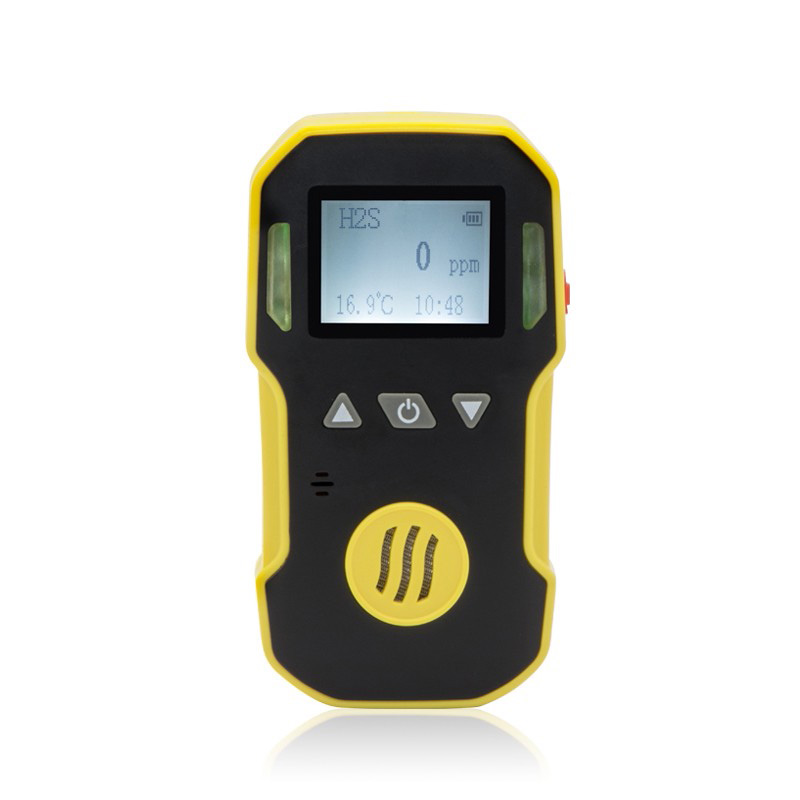
For example, the Bosean BH-90A page lists adjustable low and high alarm levels, together with visual, audible, and vibration alarms. That is useful catalogue evidence about the features presented on that page. It does not, by itself, establish a certification position, site suitability, safety outcome, or configuration beyond what the page states.
This distinction is central to a technical review. A specification can answer one question without answering the next. An alarm feature may be relevant to the requirement for local notification, but the review should still keep the requirement and the product statement as separate entries. That makes the reasoning visible to anyone who later joins the procurement decision.
Keep trade-offs visible
Procurement comparisons often become unclear when positive features are collected without recording their boundaries. Avoid a single overall score unless the weighting is agreed and the evidence behind each score is clear. A simple status such as “supported”, “partly addressed”, or “open” may be more informative than an unsupported ranking.
When comparing a single gas detector, use the same question for every candidate: which stated requirement does this information address, and what does it leave undecided? This keeps the review focused on scope rather than on the number of features listed. It also reduces the risk of transferring a specification from one model to another.
Trade-offs should be written as decisions or questions. For instance, a team might need to decide whether alarm presentation is a mandatory requirement, whether the stated operating conditions match the planned use, or whether the procurement package needs a particular document. The article should not resolve those questions without evidence. Instead, the record should show who owns the decision and what information would close it.
Create a repeatable decision record
A repeatable record can follow five steps:
- Define the use case. State the task, environment, gas target, users, and boundaries in neutral terms.
- List the requirements. Separate essential conditions from preferences and background information.
- Map the evidence. Quote or summarise only what the relevant source actually states, with the model and source location identified.
- Log assumptions. Mark interpretations, dependencies, and open questions rather than allowing them to become hidden conclusions.
- Record the decision. Explain whether the candidate moves forward, remains under review, or is outside the current scope, and give the evidence-based reason.
This format supports a focused discussion between engineering and sourcing. Engineering can challenge whether the requirement has been represented correctly. Sourcing can check whether the comparison is consistent and whether the request is clear enough for suppliers to answer. Both groups can see which statements are product facts and which are working assumptions.
Keep the record dated and identify the source page or document used for each factual entry. If the scope changes, add a new review note instead of silently rewriting the original reasoning. That preserves the path from requirement to comparison and makes later decisions easier to understand.
Conclusion
A sound technical review does not require the longest catalogue summary. It requires a clear separation between requirements, page-level evidence, interpretation, and unresolved decisions. The BH-90A information provides one bounded example of how listed alarm features can be recorded without extending them into claims about certification, suitability, or outcomes. Used in this way, Bosean can be included in a structured sourcing discussion while procurement and engineering retain a defensible record of what was actually assessed.