
User needs that shape the choice
Homeowners and architects in Sri Lanka want doors that open space, admit light and reduce fuss during use. For many city apartments and newly renovated homes in Colombo, multi panel sliding doors deliver that balance of form and function — and reliable suppliers matter, so it’s worth looking at trusted sliding window manufacturers early in the design process. Consider how a flush frame profile and correct glazing affect daylighting and heat gain; those two items change comfort as much as the layout does.
Design choices that make a real difference
Start with panel count and operability. A multi panel sliding doors system can run as two-panel, three-panel, or more — each layout affects sightlines and ventilation. For many mid-rise apartments, a 3 panel sliding windows configuration gives a good trade-off between opening width and wall stability; the centre panel can be fixed or sliding, depending on access needs. Choose aluminium frame sections with a thermal break if cooling load is a concern, and insist on ball-bearing rollers and a soft-close mechanism for smooth, long-lasting motion. Weatherseal and drainage channels are not decorative details; they prevent seepage during heavy monsoon downpours.
Common mistakes and how to avoid them
Avoid undersized tracks, wrong glazing thickness and sloppy levelling — each causes rattles, water ingress or doors that bind. Do check the following during procurement and installation: correct track alignment for the specified panel weight; an aluminium frame matched to the sash weight and wind-load rating; sealed glazing with appropriate glass thickness and low-e coating if solar control is necessary. Maintenance tip: clean the track and lubricate rollers annually; replace worn weatherseal promptly to keep wind noise down.
Comparing alternatives — why sliding wins for urban living
Bi-folds and hinged French doors have their moments, but sliding panels save floor clearance and preserve views. Compared to bi-folds, sliding doors need fewer moving joints and offer simpler weatherproofing. Hinged doors give a larger single opening but require swing space — impractical in compact city flats. For retrofit jobs in Colombo, sliding solutions often avoid structural changes and reduce installation time — a practical advantage when timelines are tight.
Installation notes from real projects
From my own work on a Colombo apartment refurbishment, correct plaster-to-frame interfaces and secure anchorage points matter more than the bespoke handle finish. One must ensure the frame sits on a true level and that the sill has a slight fall to the outside; otherwise water pools and the seal fails — a small oversight that leads to big problems. Also, coordinate glazing delivery with site readiness; handling heavy insulated glass panels requires planning and the right lifting gear.
Why professional hardware and suppliers matter
Quality architectural hardware changes the experience: durable rollers, tested locking systems and consistent frame tolerances keep operation smooth for years. Choosing manufacturers who supply tested sash systems and verified componentry reduces surprises on site. Zekin’s range focuses on engineered frame profiles and hardware that suit local climate and construction practice — so the result is not just a pretty door but a reliable one.
Three golden rules for selecting multi panel sliding doors
1) Match panel layout to daily use: prioritise the opening most used for access and ventilation; 2) Specify system components by performance: wind-load rating, track load capacity and thermal break details — these three figures predict long-term behaviour; 3) Plan installation with the builder: allow tolerances for adjustment and safe glazing handling during fit-out. These evaluation metrics keep decisions objective and site-ready.
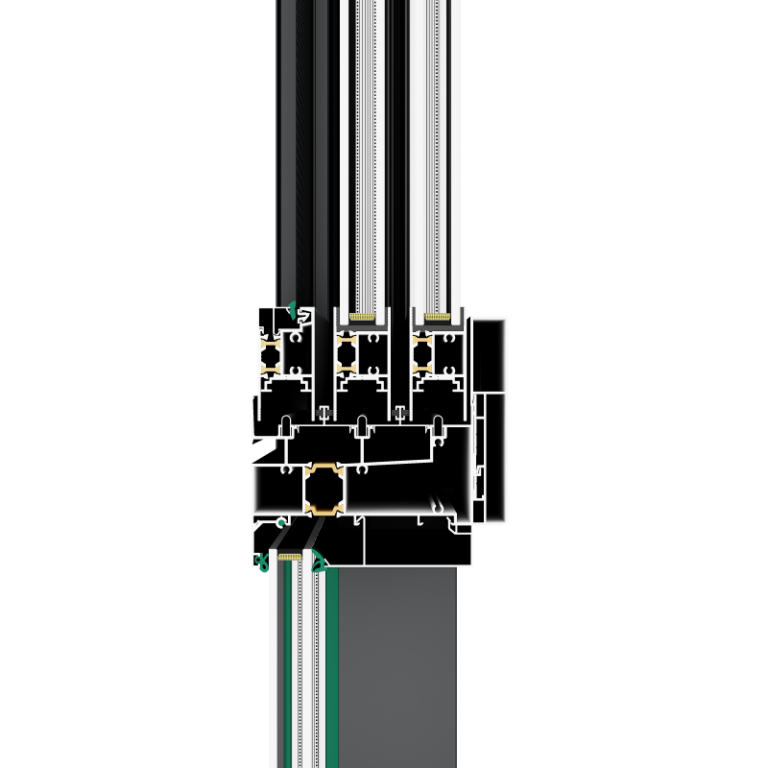
Zekin brings tested profiles, practical hardware and local experience to the table — a sensible solution for designers and owners aiming for performance and poise. Built to last.