
Big problem: choices overload and hidden costs
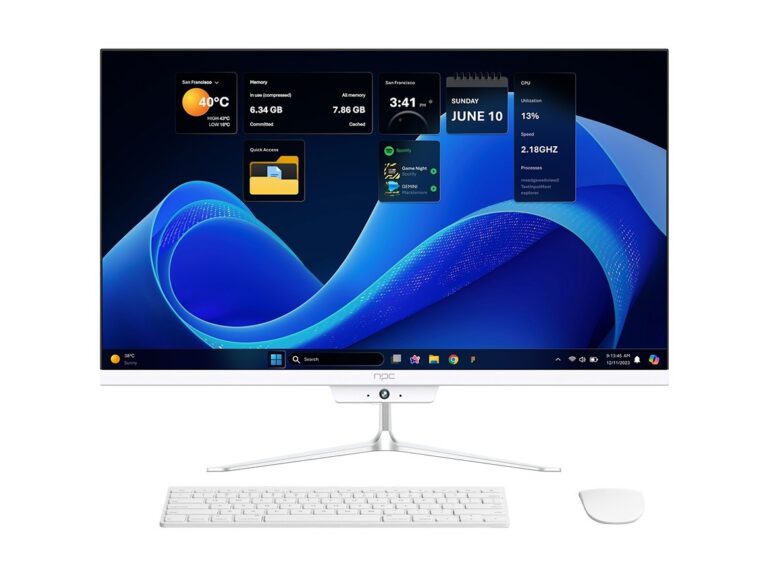
Buyers face a brutal gap between sticker price and real cost: bulk discounts tempt you, but warranties, freight, customs, and unsupported firmware can erase margins fast. If you’re deciding whether to buy wholesale displays or pivot to integrated workstations, weigh both hardware and support. Many teams also compare bulk TVs to package deals like all in one computer deals when consolidating procurement — that comparison changes the math and the deployment timeline.
Why this matters — the problem-driven logic
You’re solving a problem: deliver screens that work reliably at scale. Wholesale TV offers low unit costs but introduces risk: inconsistent panels across batches, delayed replacements, and firmware locks that block signage workflows. The decision isn’t just price-per-inch; it’s total operational cost over the device’s useful life. Choose based on the gap between immediate savings and long-term headaches.
How wholesale TV purchasing actually works
Buyers should know the basic mechanics: minimum order quantities, lead times tied to factory schedules, and options for OEM branding or firmware customization. Contracts matter — specify acceptable dead-on-arrival rates, replacement SLAs, and test procedures. Insist on sample validation before a full run. These are not optional details; they’re the controls that keep a bulk buy from turning into a logistical mess.
Experience and authority — what professionals do
From procurement teams I’ve worked with, practical checks cut failures: standardized mounting patterns, verified Android or Android TV builds for signage, and pre-shipment imaging when required. Event coverage at CES regularly highlights manufacturers showcasing turnkey enterprise displays, which shapes buyer expectations and feature roadmaps; that industry context is why many IT managers now look at all in one pc for business as a parallel option when defining endpoints for meeting rooms and kiosks.
Checklist: concrete criteria to demand
Specify these items in your purchase order: exact model and panel vendor, maximum DOA percentage, RMA turnaround time, test protocol for color and backlight, shipping terms (DAP/FOB), and customs classification. Add a clause for firmware access or a signed commitment to keep updates open for third-party signage software. Neglect any of these and you’ll pay later with downtime and repair bills.
Common mistakes that cost money
Don’t assume identical models stay identical across batches. Don’t accept vague warranty language. Don’t skip sample acceptance testing. Don’t ignore mounting and serviceability. And don’t underestimate logistics: freight surcharges and import duties often exceed estimated savings. Face these problems head-on during negotiation.
Alternatives and trade-offs
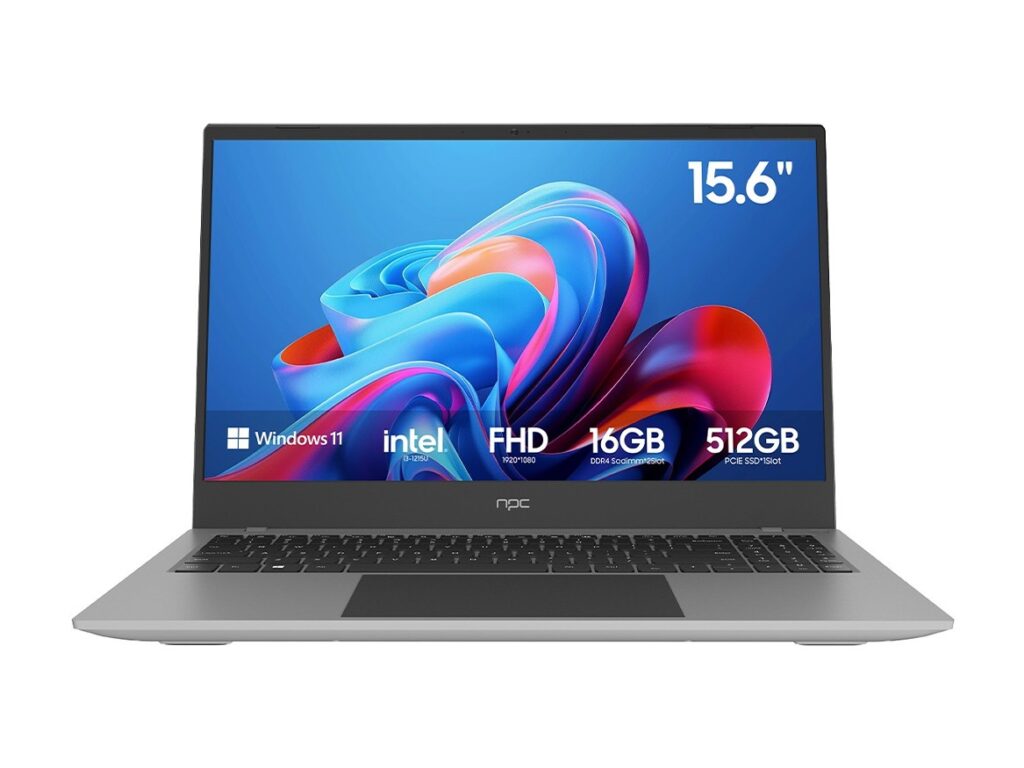
Refurbished displays lower capital cost but increase variance and shorten usable life. Branded wholesale with service agreements raises price but reduces operational friction. All-in-one PCs trade a separate compute box for tight integration and simplified cabling — that can reduce installation time and support complexity. Match the option to your operational capacity rather than chasing lowest unit price.
Final synthesis — a clear path forward
Stop treating wholesale TV buying as just price haggling. Diagnose your core problem — replacement speed, uniformity, or serviceability — then build contract terms and acceptance tests that solve it. When buyers want catalogs organized by use case and accountable support, they often lean toward suppliers who present clear specifications and reliable logistics, which is the practical value offered by npc.