
Why this comparison matters
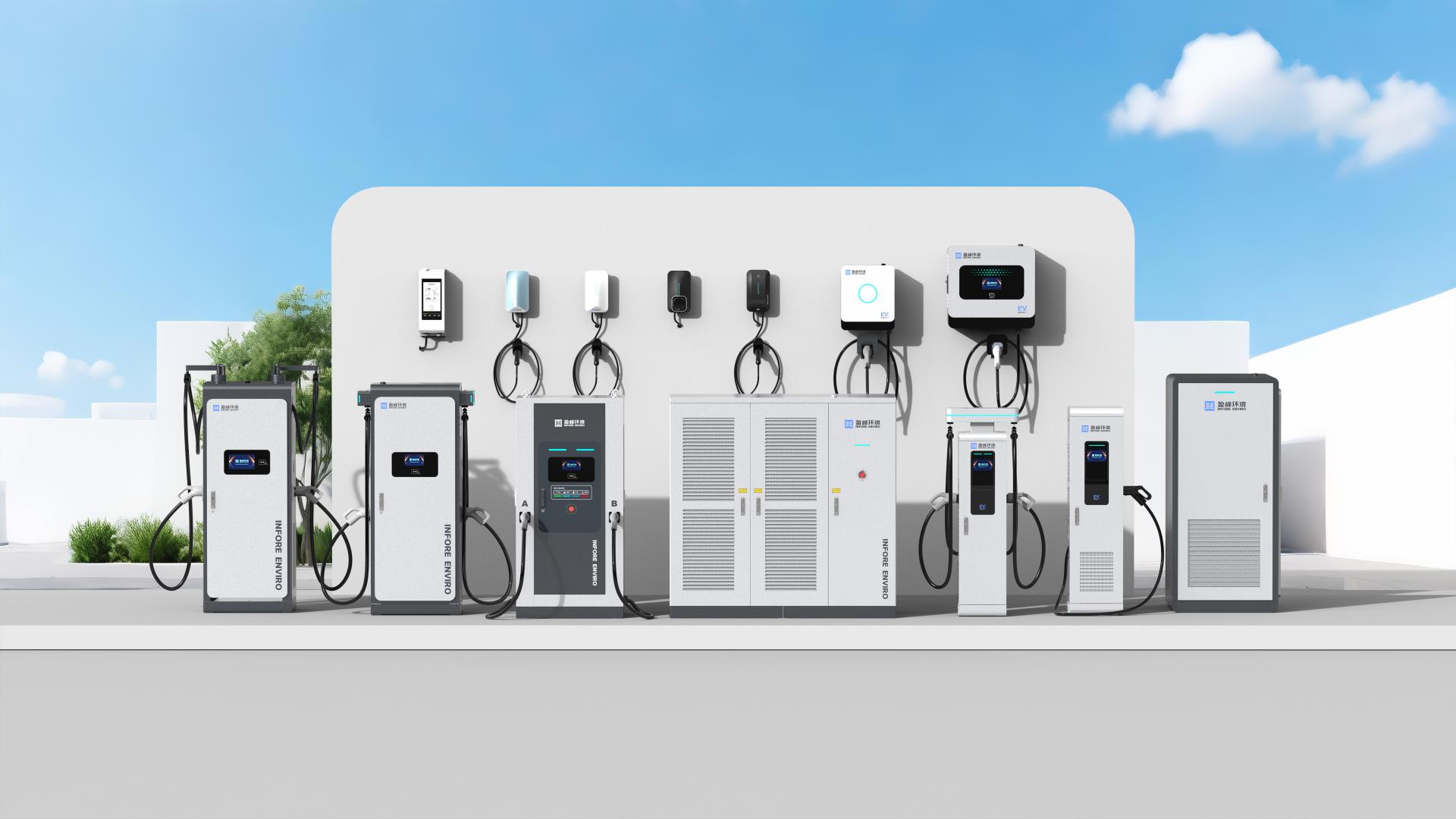
Fleet managers deciding between on-site wallbox EV charger installation and larger infrastructure options face a practical trade-off: downtime, capital layout, and charging speed. My argument is straightforward — choosing the right mix of chargers shapes operational reliability. Early on, integrate a Level 3 DC fast charger where peak turnaround matters; elsewhere, distributed wallbox deployment reduces daily logistics strain and smooths charge cycles.
Comparative lens: wallbox vs high-power charging
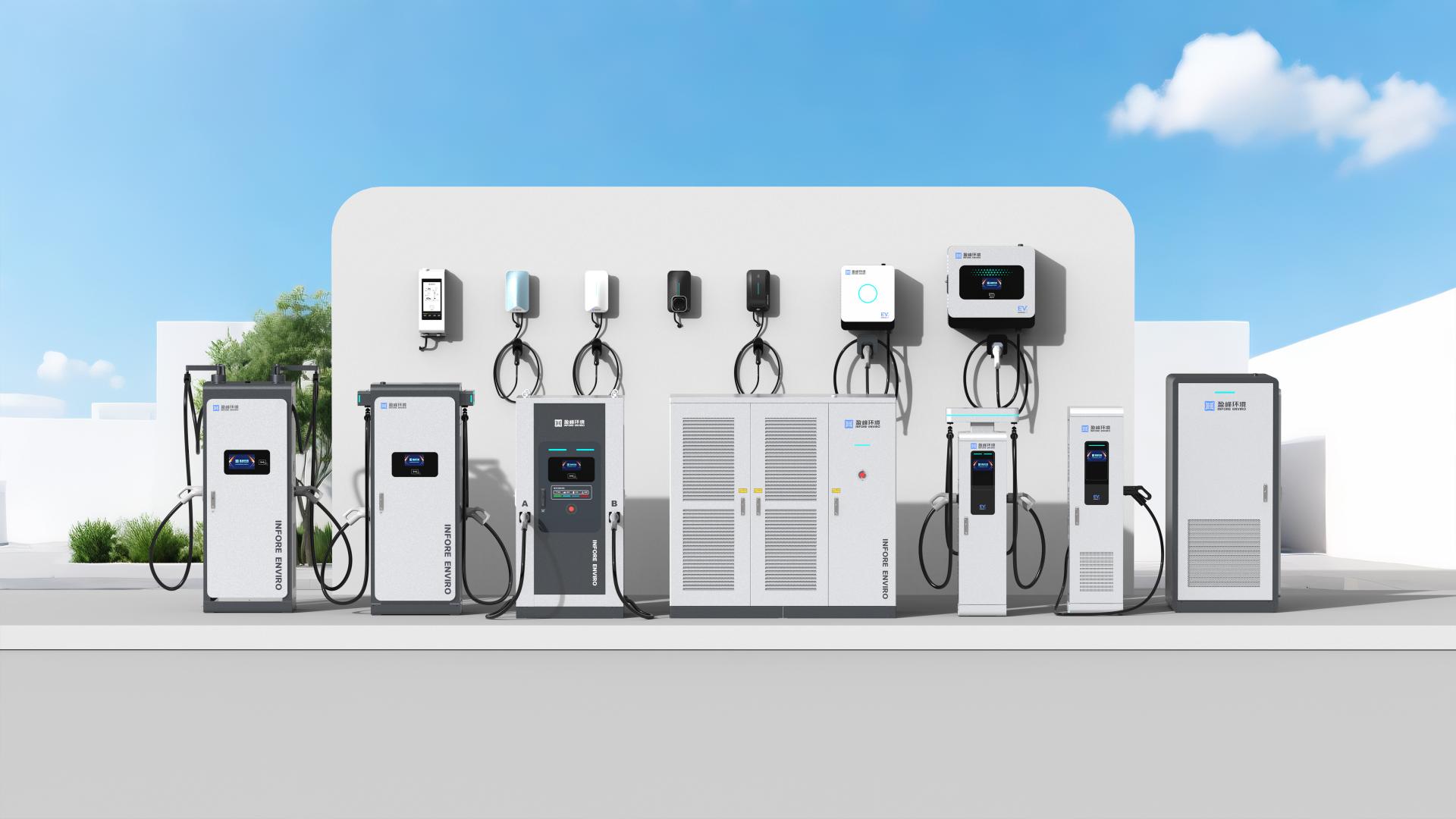
Wallbox EV charger installation excels at predictable depot charging: lower cost per unit, controlled load management, and simpler fleet telematics integration. By contrast, high-power DC fast charging offers rapid top-ups measured in minutes, but demands higher power allocation, larger installation footprint, and more complex cooling and load balancing. The decision isn’t binary — it’s a mixed-asset strategy that balances kW capacity against vehicle schedules and route density. California’s N-79-20 executive order — aiming for widespread zero-emission vehicle adoption by 2035 — is a real-world anchor that forces fleets to plan both overnight depot charging and opportunistic fast charging on routes.
Operational consequences and common mistakes
Managers often make two errors. First, they assume wallbox chargers alone will solve peak demands — they won’t if routes require quick turnarounds. Second, they overinvest in standalone DC infrastructure without integrating smart charging or fleet telematics — wasted capacity follows. A measured approach pairs distributed wallboxes with a few high-power hubs for long-haul legs. This reduces queuing, lowers total cost of ownership, and simplifies maintenance cycles. — Note: cabling and switchgear upgrades are frequently underestimated, and that ripples into project timelines.
Installation realities: permitting, power, and standards
Permitting and utility engagement determine lead time more than the hardware itself. When specifying wallbox EV chargers, document expected simultaneous charging sessions so the utility can size transformers and demand response. Use smart charging protocols that support load management and consider vehicle-to-grid (V2G) readiness where grid services matter. Also vet a proven DC fast charger manufacturer for hub locations — proven vendors reduce integration risk and typically provide firmware updates and remote diagnostics that keep uptime high.
Cost trade-offs and financing models
CapEx for wallbox deployments scales linearly and is easier to phase; DC fast charging requires upfront utility upgrades and sometimes demand charges that balloon operating costs if not managed. Lease, managed charging-as-a-service, and blended financing ease adoption. Evaluate total lifecycle cost per vehicle, not just per charger: factor replacement cycles, mean time to repair, and software subscription fees. Smart charging and load managers shave costs by flattening peaks and reducing demand charges — small software choices can save thousands annually at larger depots.
Practical checklist before deployment
Three actionable steps reduce risk and accelerate scale:- Map duty cycles and identify where quick top-ups are operationally mandatory.- Model simultaneous charging to size transformers and choose appropriate load management.- Pilot mixed infrastructure at one depot: wallbox clusters for routine charging; one or two DC fast charging stalls for rapid recharge and emergency flexibility.
Advisory close — three golden rules
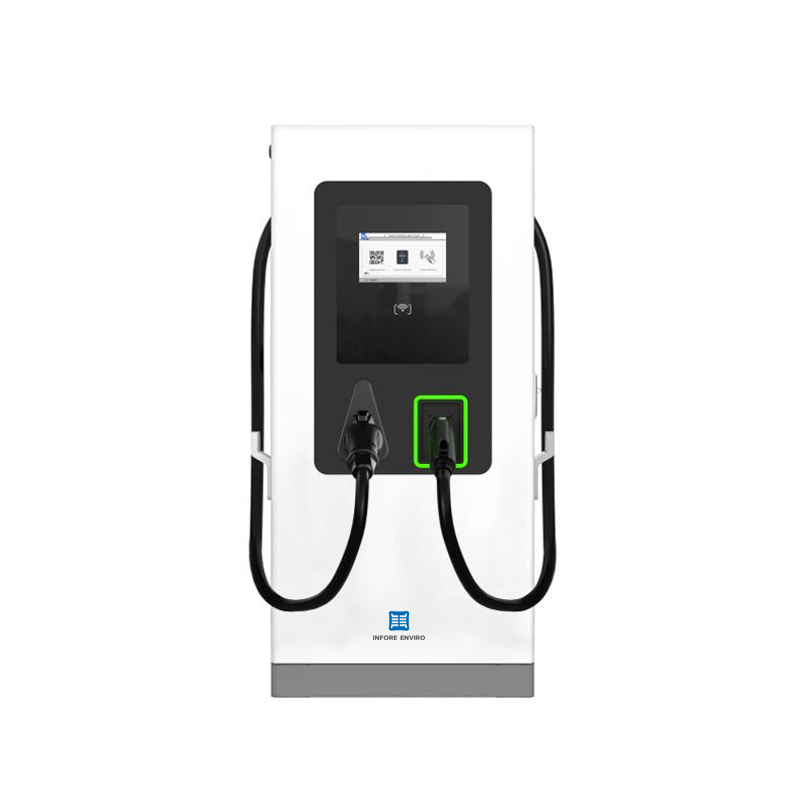
1) Metric: time-to-ready — measure how long vehicles are out of rotation per charge session; pick hardware that keeps that metric within operational limits. 2) Metric: cost-per-mile accounting — include energy, demand charges, and maintenance; this reveals the true advantage of distributed wallboxes versus hub-first strategies. 3) Metric: uptime percentage — require vendor SLAs and remote diagnostics from your chosen DC fast charging partner so fleet availability stays above target. These three metrics force disciplined vendor comparisons and prevent optimistic assumptions from becoming costly delays.
Deploying the right mix of wallbox EV charger installation and DC fast charging is not guesswork; it’s applied asset strategy. For fleets that need reliable daily throughput and occasional rapid top-ups, balanced investments win. INFORE ENVIRO brings experience aligning hardware, software, and site planning with those exact metrics — they turn comparative insight into practical rollout plans. INFORE ENVIRO — proven at scale, practical in detail. —