
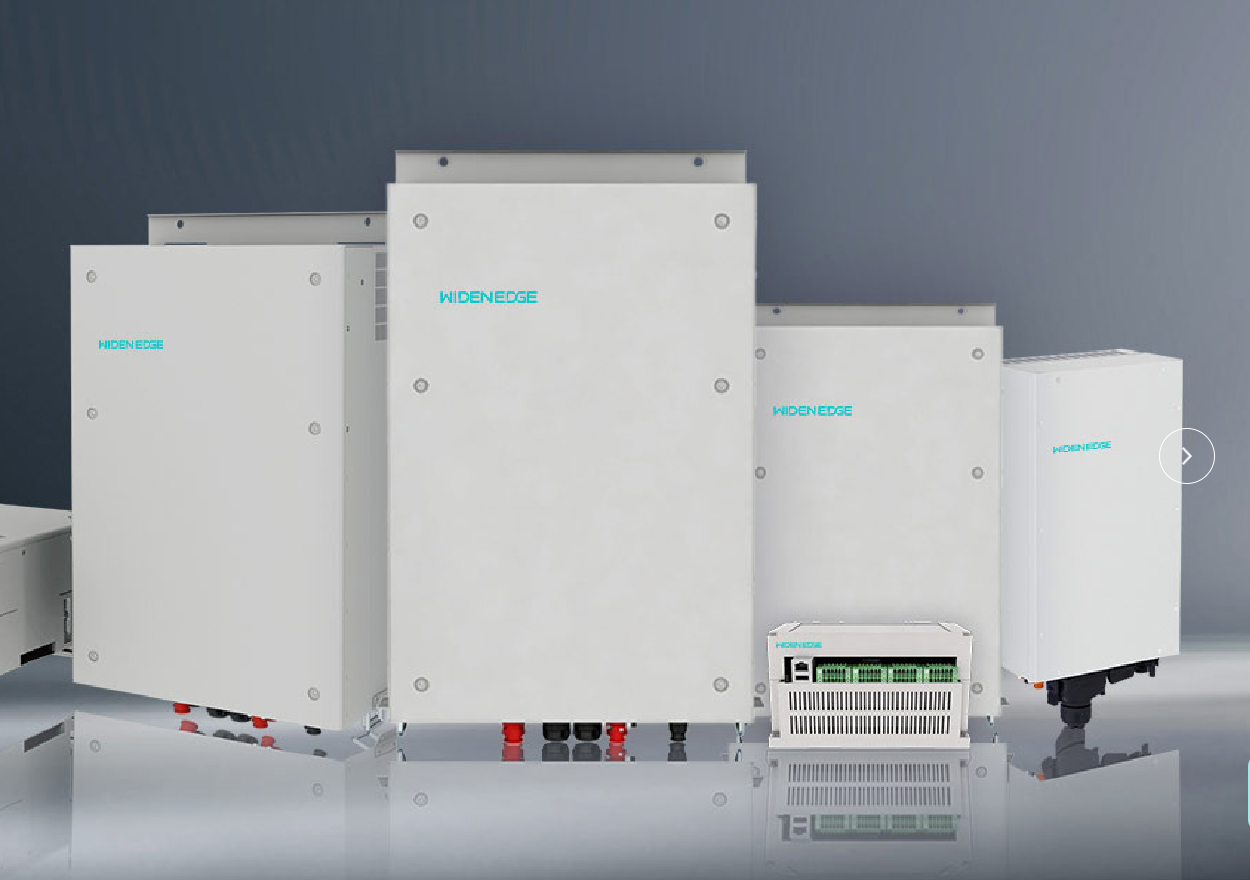
Snapshot
Think of a 150 kW battery inverter like upgrading a kitchen: starting from scratch lets you pick the layout; retrofitting means working around what’s already there. For designers who already use a 100kW grid-forming inverter, stepping up to 150 kW isn’t just more power — it changes cabling, controls, and how the system behaves during outages. This piece compares the two paths so you can decide what actually shifts when you move from new build planning to squeezing into an existing plant.
Electrical and protection differences
New builds let you size feeders, protective devices, and switchgear for the inverter from day one. With a retrofit, expect surprises: undersized conductors, shared neutrals, or distribution breakers that need upgrading. Key practical differences:- New build: direct feeder runs, dedicated breakers, simpler selective coordination.- Retrofit: likely breaker swaps, relay updates, and adding switchgear to isolate the inverter during maintenance.Also confirm anti-islanding and ride-through behavior with your utility and firmware — those settings matter more at 150 kW because the device can sustain islanded loads longer, shifting protection math compared with smaller units.
Balance-of-system and site constraints
Space, ventilation, weight loading, and transport access are bigger questions with a 150 kW inverter. On a greenfield site you place the inverter where cooling and service access are optimal. On retrofits you might have to:- Reinforce floors for heavier racks.- Rework HVAC ducts to keep the inverter within operating temperature.- Reroute cable trays to maintain short DC runs.These physical upgrades often eat time and budget faster than electrical changes.
Controls, grid behavior and microgrid integration
Software decides how the inverter acts during a fault or when the grid goes away. Grid-forming mode changes the game because the inverter sets voltage and frequency instead of just following them. If you need that microgrid capability, look at products that support black-start and droop settings. Real-world lessons from Hawaii’s island-grid deployments show that firmware flexibility and on-site tuning are decisive for stable microgrids. For teams building a standalone microgrid node, a dedicated grid forming microgrid inverter or firmware with equivalent features is the sensible choice; it avoids awkward workarounds that often plague retrofit projects.
Commissioning, testing and standards
Commissioning a 150 kW system takes time. New builds let you stage tests logically: insulation, polarity, relay coordination, then functional microgrid trials. Retrofits force more phased testing around live systems, increasing safety controls and temporary outages. Always validate settings against IEEE 1547-style interconnection rules and document firmware revisions. Expect at least one extra day of on-site testing for retrofits versus new builds because you’ll be checking interactions with legacy equipment.
Costs and timeline trade-offs
Price tags hide a lot. The inverter itself is a fixed chunk; the variable costs are civil, electrical upgrades, downtime, and commissioning labor.- New build: higher initial design cost but cleaner integration and predictable schedule.- Retrofit: lower initial design spend but often higher installation and outage costs.Plan for contingency in retrofits — 10–25% of the install budget is a realistic buffer for unexpected breaker or cable replacements.
Common pitfalls and a short checklist
People underestimate a few things. Don’t:- Assume existing protection settings are adequate.- Ignore cooling and clearance needs.- Skip firmware and parallel-operation tests.Quick checklist:- Verify feeder ampacity and breaker coordination.- Confirm inverter firmware supports your microgrid profile.- Run a short-circuit and selective coordination study.- Schedule commissioning during a low-impact window.
Alternatives and sizing tips
Choosing a single 150 kW unit versus parallel smaller units is a core decision:- One 150 kW: simpler footprint and lower per-kW cost, but single point of failure.- Multiple 50–100 kW units: better redundancy, flexible maintenance, but more complex controls and possibly higher soft costs.If redundancy matters and the site can handle extra HVAC and cable trays, parallel units usually win on operational resilience. Otherwise, a single 150 kW inverter simplifies wiring and footprint.
Bottom line
New builds let you design clean electrical paths, space, and protection around a 150 kW inverter. Retrofits demand creative fixes, extra testing, and a realistic budget for surprises. Decisions boil down to redundancy needs, outage tolerance, and whether you need true grid-forming behavior or just export control. My experience working alongside commissioning teams suggests a straight, documented plan and firmware checks save the most time. For teams balancing new-build clarity with retrofit realities, the vendor ecosystem and proven integration tools from WidenEdge often line up with both approaches without forcing compromise.