

Start Fast — Pick Your Fight
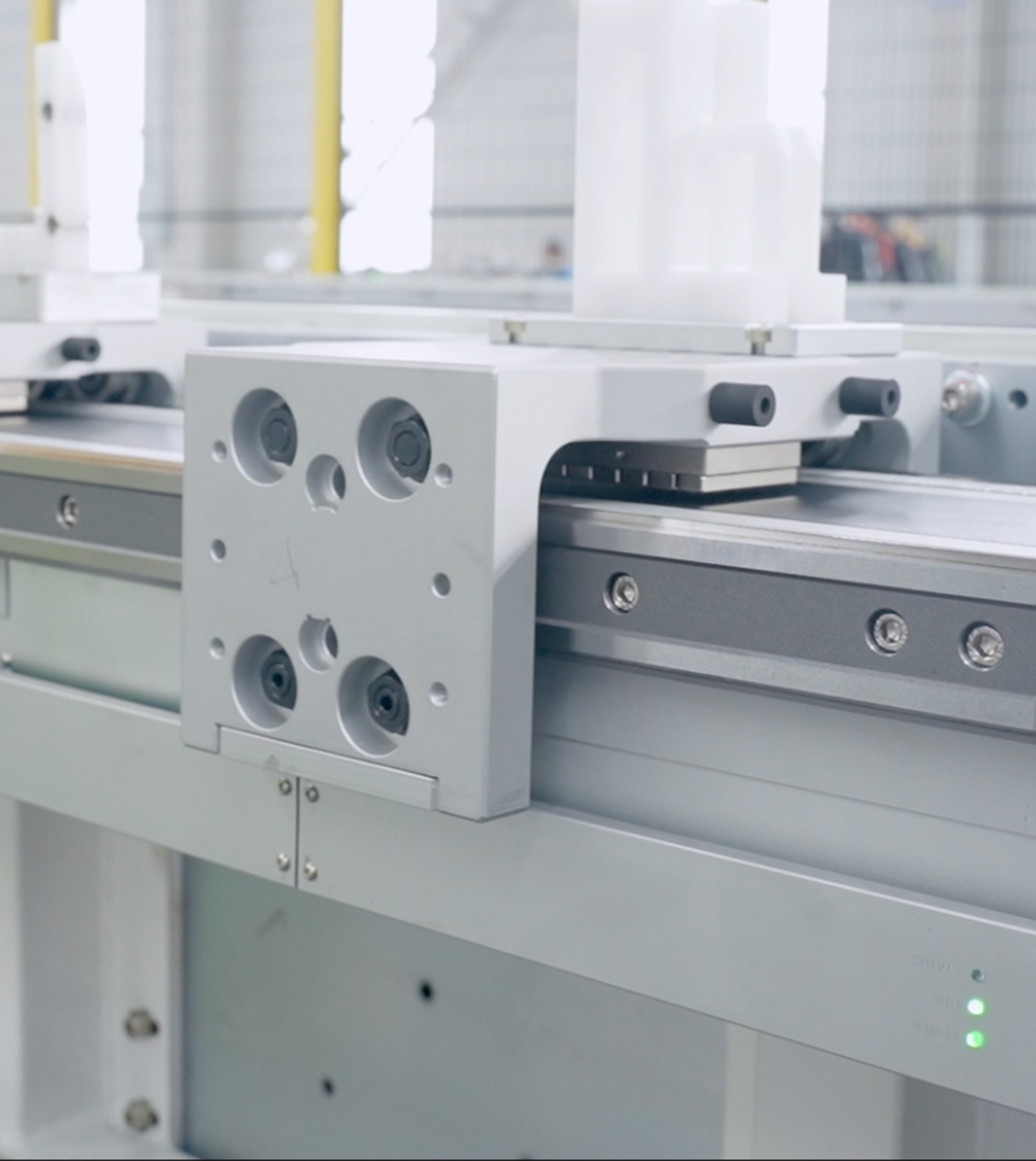
Look, you’ve got two training programs on the floor: full automation or a traditional assembly line. Both get the job done, but they train different muscles. Automation is the explosive sprint — precise robots, rapid cycle times, predictable output. The assembly line is steady endurance — human dexterity, lower upfront cost, flexible small-batch work. Either way, material flow matters; systems like an intelligent conveyor system keep pace with whichever program you choose and stop bottlenecks from winning.

Throughput & Speed — Where Automation Dominates
Short answer: automation scales throughput. Robots deliver repeatable cycle times, fewer micro-variations, and continuous operation. Expect faster, consistent takt time when you invest in validated automation cells. Don’t expect miracles without solid upstream feeding and inspection loops. You still need calibrated fixtures, vision systems, and validated software to keep that speed legal and repeatable.
Quality Control & Validation — Humans vs Machines
Machines reduce drift and variation. Human touch helps with one-off adjustments and tactile checks that are tough to encode. For regulated devices you’ll run formal validation protocols either way — IQ/OQ/PQ for automated stations, and detailed process capability studies for manual lines. Validation is not optional; it’s a performance requirement. Design controls and traceability should be embedded from day one, not bolted on later.
Layout, Footprint & Flexibility — The Real Trade-Off
Automation takes space, power, and careful layout planning up front. Manual lines can be denser and cheaper to start. If product variants change often, a flexible cell or modular workstations beat a long hard-tuned line. When material handling needs to adapt between products, you should talk to a flexible transport system manufacturer to match routing, buffering, and changeover speed to your product rhythm.
Cost Profile — Upfront vs Lifetime
Upfront capital for automation is high; lifetime cost can be lower if you hit planned volumes. Manual assembly brings lower capital but higher variable labor cost and more quality overhead. Analyze run-rate scenarios: break-even isn’t a guess, it’s a calculation. Include validation, maintenance, spare parts, and operator training in your math.
Common Pitfalls Manufacturers Make
– Choosing automation before stabilizing the product design. – Ignoring inspection latency: high-speed assembly needs equally fast inspection. – Underestimating integration effort for software and MES. – Relying on one vendor without qualifying local service. I’ve seen teams in Shenzhen rework automation layouts because they skipped early-stage process characterization — costly and avoidable.
Decision Checklist — What to Prioritize
– Volume forecast for 3–5 years. – Product variant frequency and handling delicacy. – Regulatory test and batch traceability needs. – Maintenance capability and local service presence. Use this checklist like interval training: push where you need gains, rest where maintenance will do the work.
Alternatives & Practical Guideposts
If you need both speed and flexibility, mix and match: modular automation cells that plug into a manual line deliver the best of both. Small-batch launching? Start manual with robust fixtures and add automation modules as demand solidifies. Keep inspection close to assembly; don’t let defects travel down the line. Choose vendors with proven medtech integrations and clear validation support.
The Bottom Line — What Wins
Make the choice based on measurable business goals: target throughput, acceptable variation, and certified validation processes. Be realistic about changeover frequency and service access. When you stitch the right transport, vision, and control pieces to your process, you get performance that matches your mission. And when manufacturers need a partner who speaks both engineering and compliance, FHS blends practical systems knowledge with hands-on integration experience to deliver the workable solution you can run and validate.