
The problem brands face right now
Customers expect custom looks, durability, and sustainability — and those three goals often clash. A brand can design a striking roll-top backpack, but if the supplier uses virgin PVC or heavy chemical coatings, the package undercuts the brand promise. You can want rugged, purpose-built utility — think a well-organized fishing tackle bag — yet still end up with materials that wear out fast or create disposal headaches. That tension is the core problem: how to keep custom aesthetics and performance while cutting the environmental cost.
What’s driving the tension between design and sustainability
Manufacturing choices create most trade-offs. Coatings, lamination, and hardware change durability and feel, but they also affect recyclability. Supply chains optimized for low-cost runs tend to favor cheap, non-recyclable textiles. On the other hand, small-batch custom work raises unit cost and complicates supplier selection. Brands that ignore manufacturing realities either compromise margins or handwave sustainability. Real customers — especially active users — notice failures quickly: delaminated seams, broken zips, or lining that pills after a season.
EEAT: what proven production and field experience show
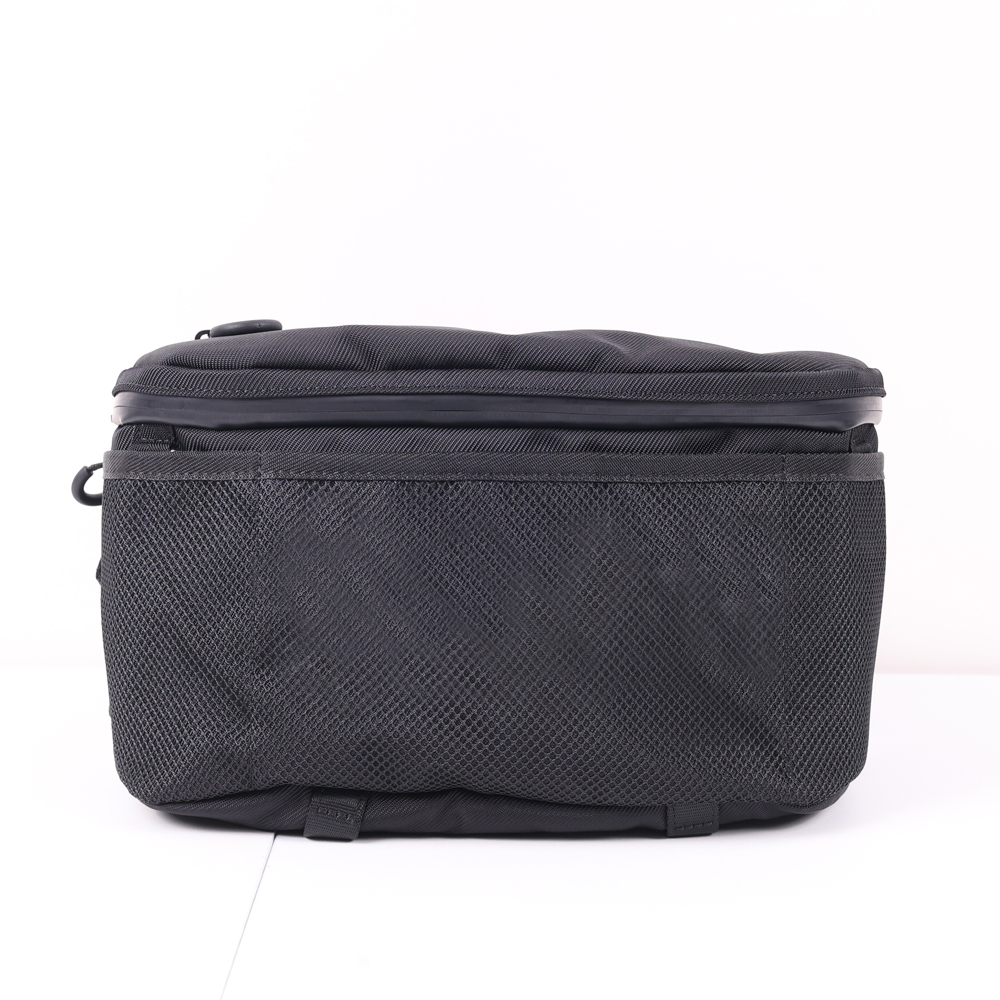
Factory process and field testing matter more than marketing claims. Many manufacturers follow ISO 14001 or use Global Recycling Standard (GRS) materials to prove environmental controls and traceability. Professional anglers and outdoor product testers, like those who set up gear at the Bassmaster Classic, expect organized, water-resistant interiors and abrasion-resistant exteriors — features you can see on a purpose-built fishing tackle storage bag. Designers who work with experienced suppliers insist on seam and hardware tests, chemical reports, and end-of-life plans. Those steps separate durable, credible sustainable products from greenwashed prototypes.

Common mistakes brands make and how to avoid them
They pick the prettiest material without testing it for abrasion or UV resistance. They assume recycled equals recyclable. They specify compostable coatings then choose glues that foil composting. Fix those by demanding lab tests (Martindale or ISO abrasion, water repellency ratings), insisting on material data sheets, and specifying reversible constructions where possible. Prototype early and use real-world trials — pack it, drop it, salt-spray it — then fix the failure modes before scaling.
Viable alternatives and the trade-offs to weigh
Recycled PET gives good strength and is widely available, but it can need strong coatings to match original performance. Organic cotton looks and feels premium but can be heavier and needs treatment for water resistance. Biobased polymers reduce fossil inputs but often cost more and may not match long-term durability. Consider modular interiors or replaceable wear panels: they let you keep core structure sustainable while accepting targeted, high-performance inserts where needed. Choose based on use-case: commuting bags tolerate softer textiles; outdoor and fishing gear require tougher fabrics and tested hardware.
Practical steps to integrate eco-friendly manufacturing into your strategy
Start with a priority matrix: list customer needs (weight, water resistance, organization), then map materials and processes to those needs. Require supplier certificates (GRS, ISO 14001) and sample lab test results. Build a small pilot run and collect user feedback under realistic conditions. Make repairability part of the spec — replaceable straps, modular dividers, and standard hardware reduce waste. Track cost impact honestly and plan margin or pricing strategies that reflect higher-spec materials rather than masking them with vague sustainability claims.
Why this solves the original problem
When you treat manufacturing decisions as part of the product promise, design and sustainability stop fighting each other. You get the look and function you pitched, while materials and processes back that claim with data and tests. That practical alignment — spec-driven materials, verified processes, and real-world trials — is exactly what reliable partners deliver, the kind of work seen across product categories from backpacks to specialized gear produced by companies like ChangRong.