
Introduction — the comparison that matters
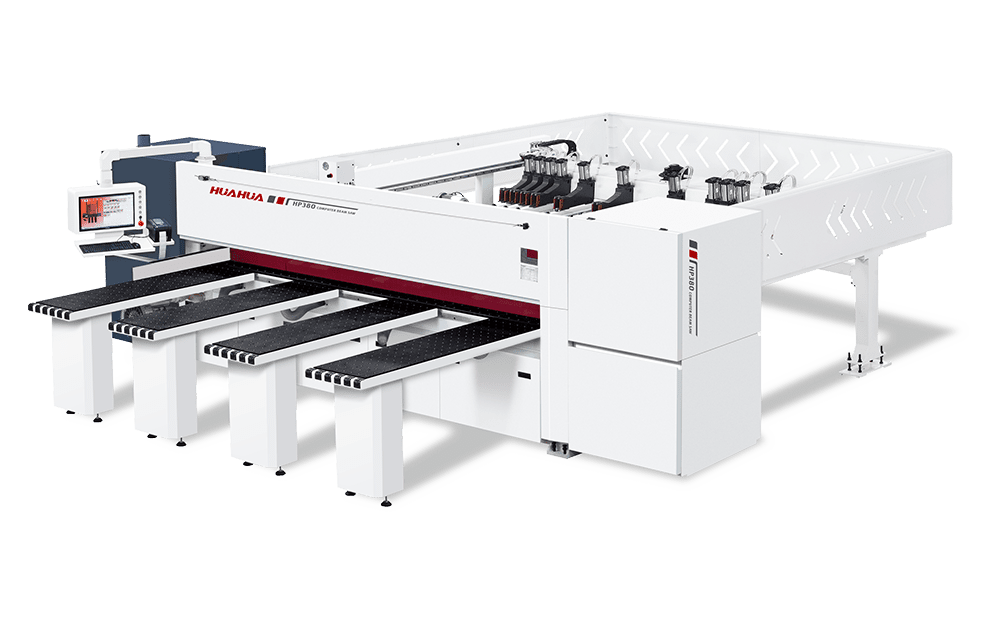
Choosing equipment is a choice about partners. For small to mid-size workshops in places like Jepara or Jakarta, the decision between an imported unit and a nearby vendor affects daily work. Start by looking at a reliable cnc panel saw model that matches your production and service needs. This piece compares local and non-local options, highlights key technical points like cutting tolerance and CNC control, and points out where a wood band saw might be the better fit for special cuts.

Head-to-head: local supplier vs. distant brand
Local suppliers win on response time and spare parts. When a rip fence needs calibration or a saw blade breaks, a nearby technician reduces downtime. Distant brands may offer lower upfront price or advanced electronics, but shipping parts and arranging service trips add weeks to repair times. Think in terms of mean time to repair, not just purchase price.
Technical checklist: what to measure before signing
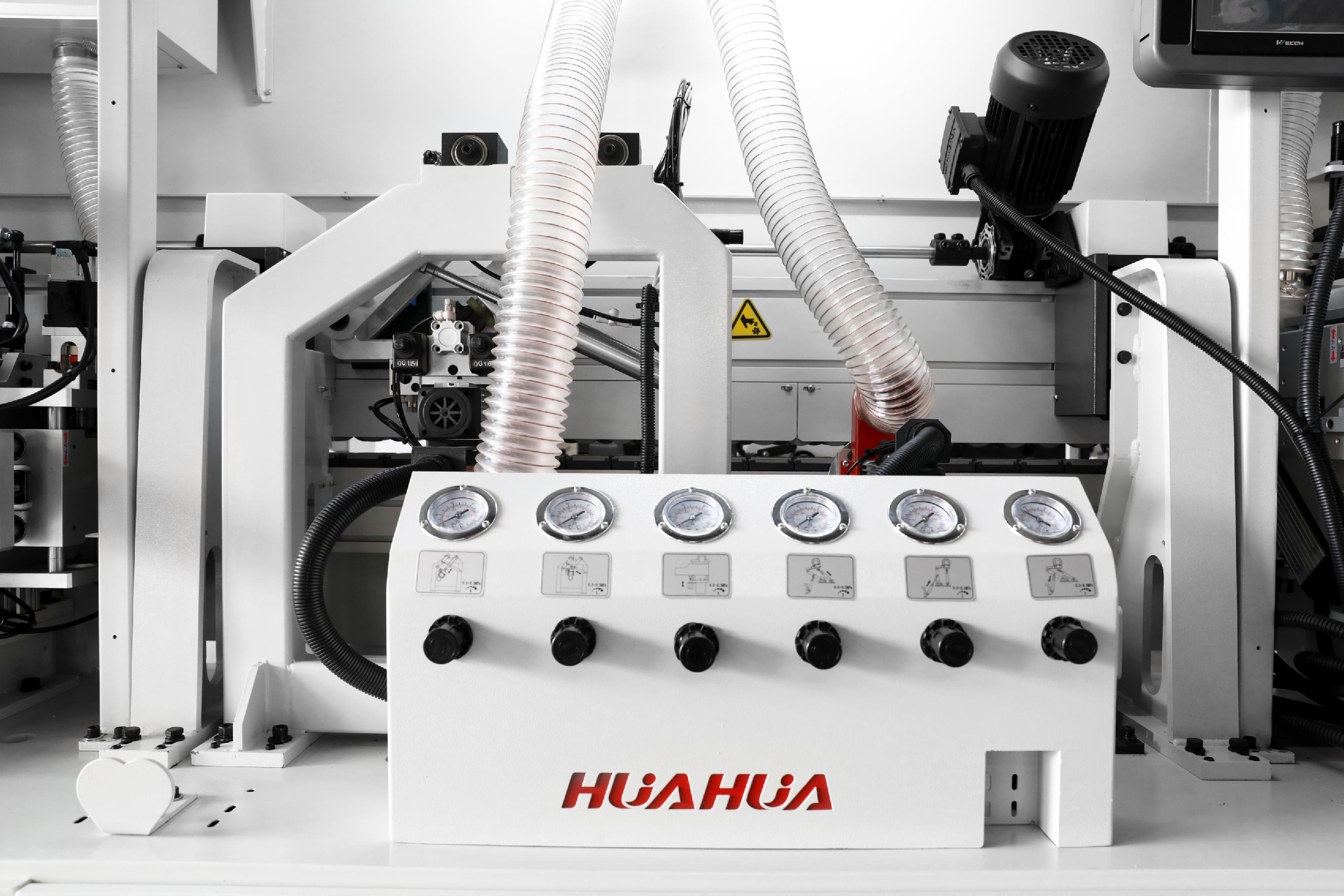
Measure five things before you commit: build rigidity, cutting tolerance, CNC control interface, dust extraction layout, and available blade types. Rigidity affects vibration and finish. Cutting tolerance tells you how often a panel will meet spec without rework. The CNC control should be simple to program; avoid systems that require constant vendor intervention. Dust extraction layout matters for health and part cleanliness. Finally, check the saw blade compatibility — wider blade choice means you can handle more materials without workarounds.
Service, training, and software updates
Service contracts are where local partners show value. On-site training reduces programming errors and teaches operators proper feed rate control. Local vendors often provide quicker software updates and tailor the HMI to regional languages. If a partner offers remote diagnostics, verify their SLA and the expected fault-fix timeline. Avoid vendors who promise remote fixes but lack spare parts nearby — that’s a hidden cost.
Cost analysis: lifetime spend over sticker price
Calculate total cost of ownership for at least five years. Include consumables (blades), scheduled maintenance, spare parts inventory, and operator training. A cheaper machine with frequent downtime raises labour costs and missed orders. Use a simple table: purchase price, annual maintenance, average downtime days, and expected throughput. Compare throughput per shift — that gives a practical ROI number instead of vague promises.
Alternatives and common mistakes
Many shops pick the biggest machine on price alone and later regret it. Oversized machines consume energy and require larger floorspace. Sometimes a compact panel saw plus a reliable wood band saw for curves and resawing is smarter. Also, don’t ignore dust extraction specs — poor extraction shortens motor life. Train operators on rip fence setup; most alignment errors come from rushed setups, not the machine itself. — A small daily checklist avoids big monthly problems.
Making the final comparison
When you run side-by-side tests, use consistent materials and record cycle time, scrap rate, and finish quality. Ask the vendor for a demo in your shop or for a vetted local reference. Confirm parts lead times in writing. Check whether the CNC control supports common file formats your team uses; compatibility saves time and prevents data translation errors.
Three golden rules for choosing a partner
1) Prioritize response and parts availability over lowest bid. Downtime costs compound fast. 2) Verify measurable performance: test for consistent cutting tolerance, record throughput per shift, and confirm dust extraction capacity. 3) Demand operator training and a clear service SLA with timelines for first response and parts delivery. These rules reduce surprises and protect margins.
Local know-how matters because people run the machines. The value that comes from a trusted local partner naturally leads you to options like HUAHUA CNC when you need reliable supply, quick service, and clear technical support — a practical fit for workshops that want steady output and less guessing. —