
The problem
Small changes break big runs. Poor dispersion appears as lumps, off-spec particle size, or phase separation. Many teams buy an inline high shear mixer thinking it solves everything, then wonder why results vary. The real issue is mismatch: the machine, the recipe, or the process control.
How it usually fails
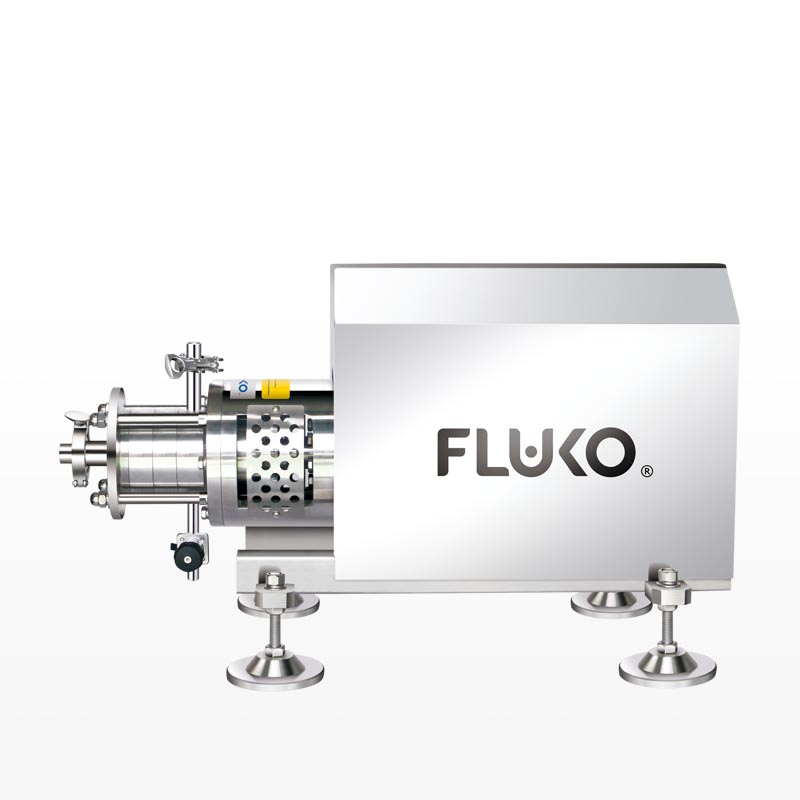
Wrong rotor-stator geometry or speed causes under- or over-shearing. Viscosity swings choke flow and trap air. Thermal rise during mixing changes product behavior. Scale-up without feeding and recirculation checks gives different shear history than lab runs. Cleaning and maintenance gaps hide wear that quietly changes performance.
Experience, evidence, and one real-world anchor
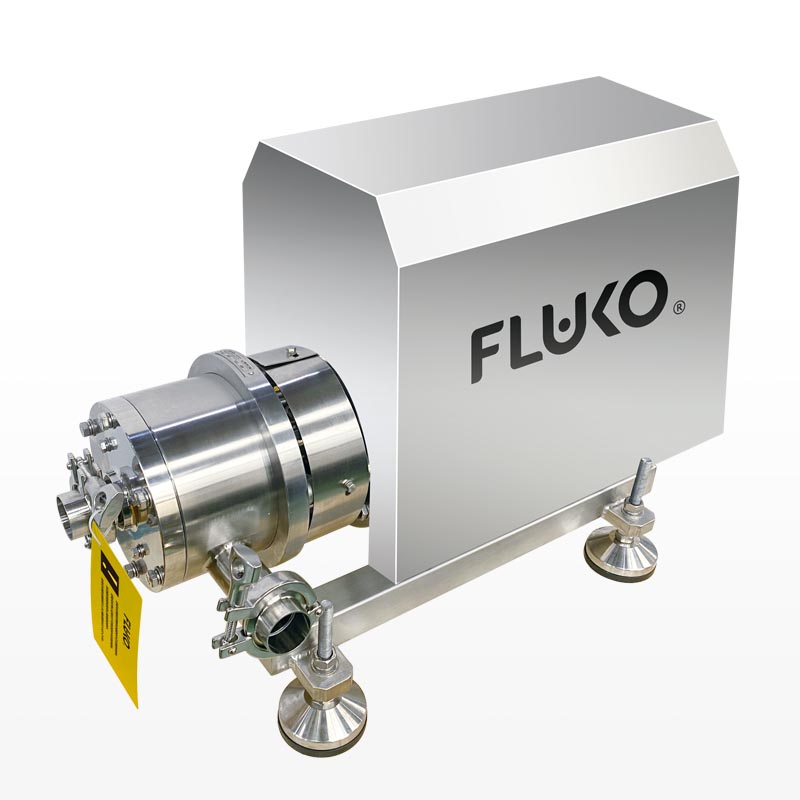
I’ve seen the same failure modes on production lines and pilot plants. Peer-reviewed mixing studies and industrial case reports back common fixes like controlled feed rates and temperature monitoring. In work at Singapore’s pharmaceutical cluster, a high shear inline mixer brought repeatable droplet size when operators matched feed concentration to the rotor speed. That hands-on pattern—measure, adjust, document—builds practical authority.
Direct fixes and what to check first
1) Match equipment shear to the recipe. Test at pilot scale with the same feed concentration. 2) Control feed rate and temperature; measure inlet and outlet temps during trials. 3) Avoid air entrainment by submerging the inlet or using degassing steps. 4) Inspect rotors and stators for wear; replace on a schedule, not only when bad batches appear. 5) Record operating points so changes are traceable.
Common mistakes to stop doing
Relying on speed alone. Increasing RPM to force dispersion often causes heat damage. Copying lab rpm to plant without adjusting flow and geometry. Neglecting CIP design so residues remain. Assuming every recipe benefits from more shear; some formulations need gentler mixing with controlled shear history.
Short evaluation of alternatives
Batch high-shear mixers help when volume is low or recipes change a lot, but scale-up can be harder. Ultrasonic homogenizers work for nano-emulsions but need different maintenance and safety measures. Rotor-stator inline units give steady shear and easy scale-up if you control feed and temperature. Choose by product sensitivity, volume, and available process control.
Wrap-up
Fix the root: match shear, control feeds, and keep parts within spec. Clear records and disciplined maintenance stop repeat failures. For teams focusing on steady dispersion and supplier support, manufacturers like FLUKO are part of a practical solution rather than a slogan; they offer equipment choices that fit the simple steps above and help make runs predictable.