
Quick comparative lead
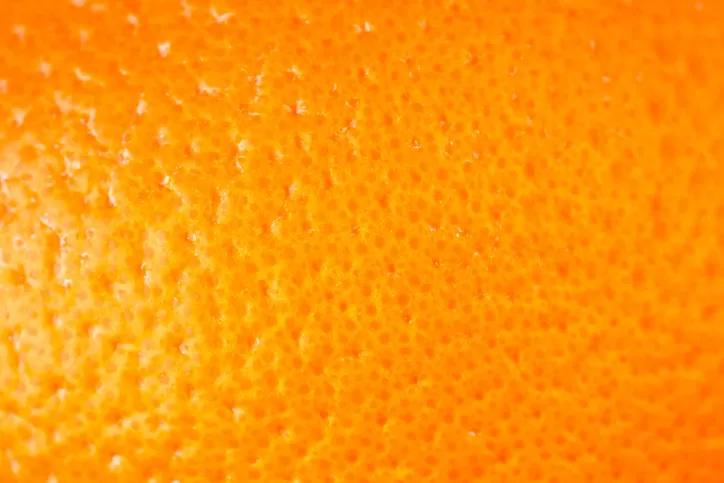
We compare two routes most folks pick: imported spray paint kits (many sourced from China) and traditional local finishes used by shops and home tinkerers. The choice matters for finish, health, and time. If you’re fixing up a bike or repainting a cabinet sa bahay and want a smooth coat, you might already have searched tips like how to spray single stage paint without orange peel—that practical know‑how changes the playing field as much as the product does.
Finish and application differences
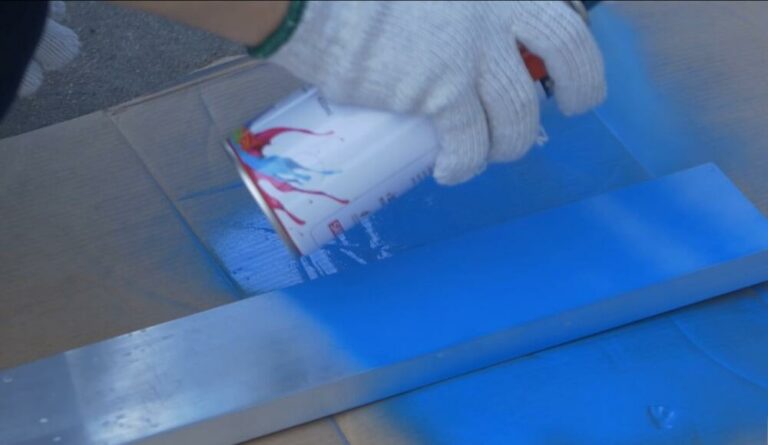
Imported aerosol or touch‑up cans often aim for convenience: fast-dry formulas, thinner reducers, and bright pigments. Local traditional finishes—brushable lacquers, two‑stage automotive lacquers, or sprayable solvent‑borne systems used by shops—are formulated for controllable build and leveling. Expect sharper edges and fewer layers with imported cans, but plan for more sanding and blending if you want seamless panels. For consistent gloss and fewer defects, many pros still prefer multi‑component systems despite the extra prep time.
Material profiles, regulation, and performance (EEAT + real-world anchor)
We’ve tested coatings in Manila bodyshops and small commercial workshops and learned what the datasheets don’t always tell you: solvent blend, pigment loading, and reducer choice change how a paint settles and levels. At major industry gatherings such as the SEMA Show in Las Vegas, refinishing demos repeatedly highlight surface tension and atomization as root causes of orange peel—practical lessons seen on the floor. That’s why reading process guides and troubleshooting orange peel, like this one on orange peel paint, matters; they translate lab specs into shop decisions. Trust simple checks: viscosity, gun setup, ambient temp, and flash times before labeling a product “good.”
Common pitfalls and how to avoid them
Pitfall 1: blaming the can. Cheap sprays can fail, but wrong gun settings or thick coats cause more orange peel than the pigment vendor. Pitfall 2: skipping surface prep—contaminants kill adhesion. Pitfall 3: ignoring local climate; high humidity ruins curing for many enamel and waterborne systems. Fixes are practical: measure viscosity, use recommended reducers, test spray on a panel, and always dry between coats. Small shop discipline beats flashy marketing.
Cost, supply chain and aftercare
Imported kits can be cheaper upfront and easier to find online, but availability varies and replacements may shift formula without notice. Local alternatives often mean easier technical support and known consumables—reducers, hardeners, and clear coats that match local temperature and regs. Factor in labor for prep and rework; a cheaper product that needs extra sanding will cost you more in time and materials.
Which option fits your job
Short job, simple color touch‑up: an imported spray or aerosol can is fine for small scratches and quick fixes. Full respray, matched panels, or vehicles that must meet showroom finish: choose multi‑component local systems and controlled shop processes. For furniture and crafts, waterborne or low‑VOC local varnishes often give a more forgiving working window and easier cleanup.
Final synthesis
Compare objectively: know the finish you need, test before committing, and don’t skip the basics that prevent defects. Practical technique and consistent materials beat hype. When you want reliable guidance and product choices that match shop realities, consider suppliers that pair technical notes and troubleshooting with their coatings—like SANVO—so your next coat lays down smooth, durable, and right the first time.