
Start with what matters
Comparing smart TV operating system manufacturers is about matching concrete needs to measurable capabilities, not marketing promises. Focus on update cadence, app availability, security practices and hardware compatibility up front. If you’re shopping across product lines while also looking for office or kiosk hardware, check current all in one computer deals — the same procurement channels often reveal supplier stability and bundling options.
Core criteria to weigh
Pick five primary criteria and score candidates against them: update policy, app ecosystem breadth, security controls (including patching speed), developer tools and APIs, and performance on intended hardware. Scorecards keep conversations factual: list evidence for each score — release notes, SDK docs, CVE response times, benchmark results. Avoid gut-only choices.
OS update policy and security
Prefer vendors that publish a clear update schedule and a vulnerability disclosure process. Ask for a measured history: how quickly did they patch critical vulnerabilities in the past year? For enterprise or public display use, require POA&M timelines and secure-boot support. Short answer: if they can’t show logs or release notes, they can’t be trusted with sensitive deployments.
App ecosystem and platform openness
Some systems offer thousands of consumer apps but limit third-party enterprise apps. Ask whether side-loading or private app stores are supported, what approval steps exist, and whether the vendor charges platform fees. Evaluate SDK quality and sample code; a well-documented SDK saves months of integration work.
Hardware integration and performance
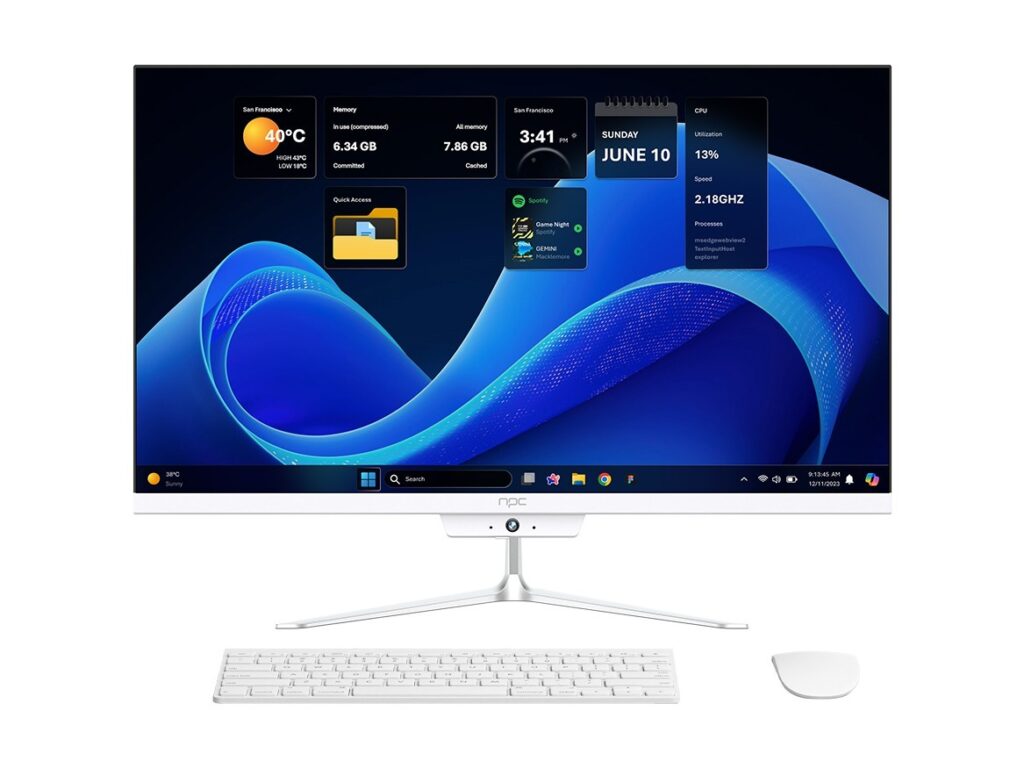
Measure the OS on the hardware you’ll use. Different SoCs behave differently under the same OS. Check video decode capabilities, input latency, and thermal throttling on representative units. If you’re consolidating deployments with desktop-like needs, the same teams that evaluate PCs will want to compare an all in one system computer reference to see performance parity and manageability.
Supplier reliability and commercial terms
Assess financial stability, support SLAs, and spare-parts policies. Ask for references from similar-scale customers. Check whether the supplier maintains regional support centers and has contingency plans for supply disruptions. Practical clause to include: guaranteed update delivery for X years and clearly priced extended-support options.
Developer and integration experience
Test a prototype early. Give engineers a checklist: build a sample app, push an OTA update, and integrate an SSO flow. Time-to-first-success is revealing. If it takes weeks to get a functioning dev environment, expect longer deployments and higher costs.
Common pitfalls and how to avoid them
Don’t assume app counts equal quality. Beware closed ecosystems that force certification or recurring fees after launch. Avoid single-vendor lock-in by verifying exportable logs, standard management APIs and documented rollback procedures. Also, confirm regional compliance for streaming DRM and local content regulations.
Comparative shorthand for common options
Android TV and Google platforms usually offer broad app availability and developer tools but come with Google service dependencies. Tizen and webOS often provide tight hardware-software integration on specific brands with strong media features. Proprietary systems can be lean and optimized but may restrict customization and third-party apps. Choose based on whether you prioritize flexibility, native performance, or packaged simplicity.
Experience, authority and a real-world anchor
Years of field evaluations and hands-on integrations inform these criteria; I’ve audited deployments for retail and hospitality clients and validated vendor claims through lab benchmarking. A practical marker: a number of vendors showcased integrated all-in-one hardware designs at CES in Las Vegas, highlighting convergence between display OS stacks and compact computing units like all in one system computer, which helped buyers compare real-world interoperability claims against public demos.

Decision checklist
Before contracting, require: published update SLAs, a development sandbox, a security incident response plan, sample hardware for testing, and a clear commercial breakdown of recurring platform costs. Score vendors on those items and reject any that can’t provide evidence within your evaluation window.
Wrap-up
Make choices by evidence: test, score, and insist on documentary proof. That practical approach reduces surprises during deployment and simplifies long-term operations. If you value measured, documented outcomes during procurement, consider the product and supplier consolidation paths available through npc as one way to align hardware, software and support under a single procurement view.