
The problem: shade, structure, and expectations collide
Everyone wants the same thing: a pleasant outdoor room that stands up to sun, wind and weather—but buyers think canopy, engineers think loads. When a client asks for a photovoltaic pergola, the discussion must move beyond pretty slats to roof dead loads, racking details, access for wiring and long-term maintenance. You’ll feel the tension: aesthetic promises versus technical requirements. Solve that tension early, or you’ll repaint and patch forever, habibi.

Material choices: pick for environment and service life
Timber gives warmth but swells, checks and needs preservatives; aluminum resists corrosion and is lighter, but connections need thoughtful fasteners; steel is economical but needs careful galvanic separation and coatings. Choose materials to match exposure—salt spray, UV, temperature cycles—and design for expected maintenance intervals. Fasteners matter: stainless grades, isolating washers, and through-bolts at major connections avoid surprises. Don’t assume paint hides a bad detail.
Solar integration: mechanical-to-electrical handoff
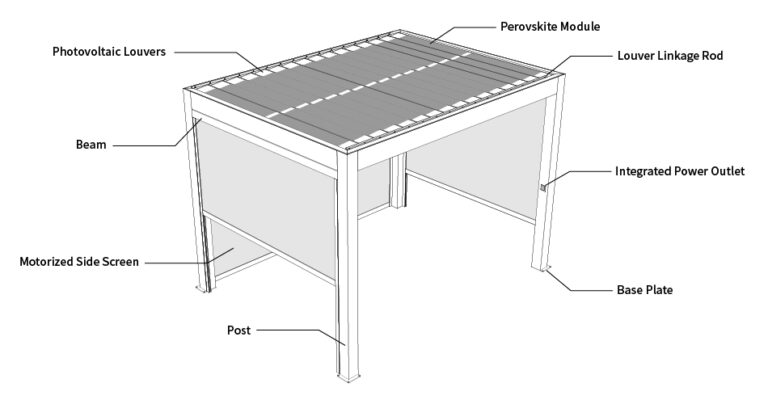
Mounting PV on a pergola is not just bolting panels to beams. You must plan roof slope, panel ventilation, attachment points that transfer loads into primary structure, and fall-protection for O&M. Decide early on string layout, inverter location and conduit runs so penetrations are minimal and drainage isn’t clogged. Thermal expansion gaps, cable trays, and easy panel replacement access reduce lifetime cost. If panels add significant weight or change wind profile, revisit footing and anchor design.
What buyers often miss
They skimp on foundations, ignore drainage paths, mix incompatible metals, and underestimate solar cable routing. They ask for integrated lighting or retractable fabric late in the procurement process, which forces redesigns. Permits get delayed because snow or wind loads weren’t calculated for local code. And warranties look good on paper but don’t cover improper installation—ask for O&M responsibilities in writing.
Experience, evidence and a practical anchor
From decades of specifying outdoor structures and field installs, I’ve learned to test assumptions against local climate realities. For example, in Mediterranean coastal settings where intense sun and seasonal storms meet—places like Cairo and Athens—choosing the best cover for pergola changes how you size rafters, finish metal, and detail flashings. That real-world anchor shapes durable decisions: louvered aluminum or integrated PV modules often outlast untreated timber in those conditions, and industry papers on coastal corrosion and solar performance back those choices.
Design checklist for engineers and buyers
Establish loads (dead, live, wind, snow) and design to code; specify corrosion class based on exposure; detail anchors into structure—avoid relying solely on surface fixings; plan drainage and clean-out access; reserve space and ventilation for PV panels and inverter equipment; use compatible metals and isolation materials to prevent galvanic corrosion; provide access and edge protection for maintenance; include realistic warranties and O&M responsibilities in contracts; review local permitting early.
Close: align expectations with delivery
Keep conversations concrete: specify materials, anchors and access; test details on a mock-up if you can; plan for servicing, not just installation. When buyers and engineers agree on those facts, the pergola keeps people comfortable and systems last. That practical alignment is exactly the kind of outcome you find at Light Hunter, where product choices reflect real-world service conditions rather than glossy promises.