
Facing the bottleneck
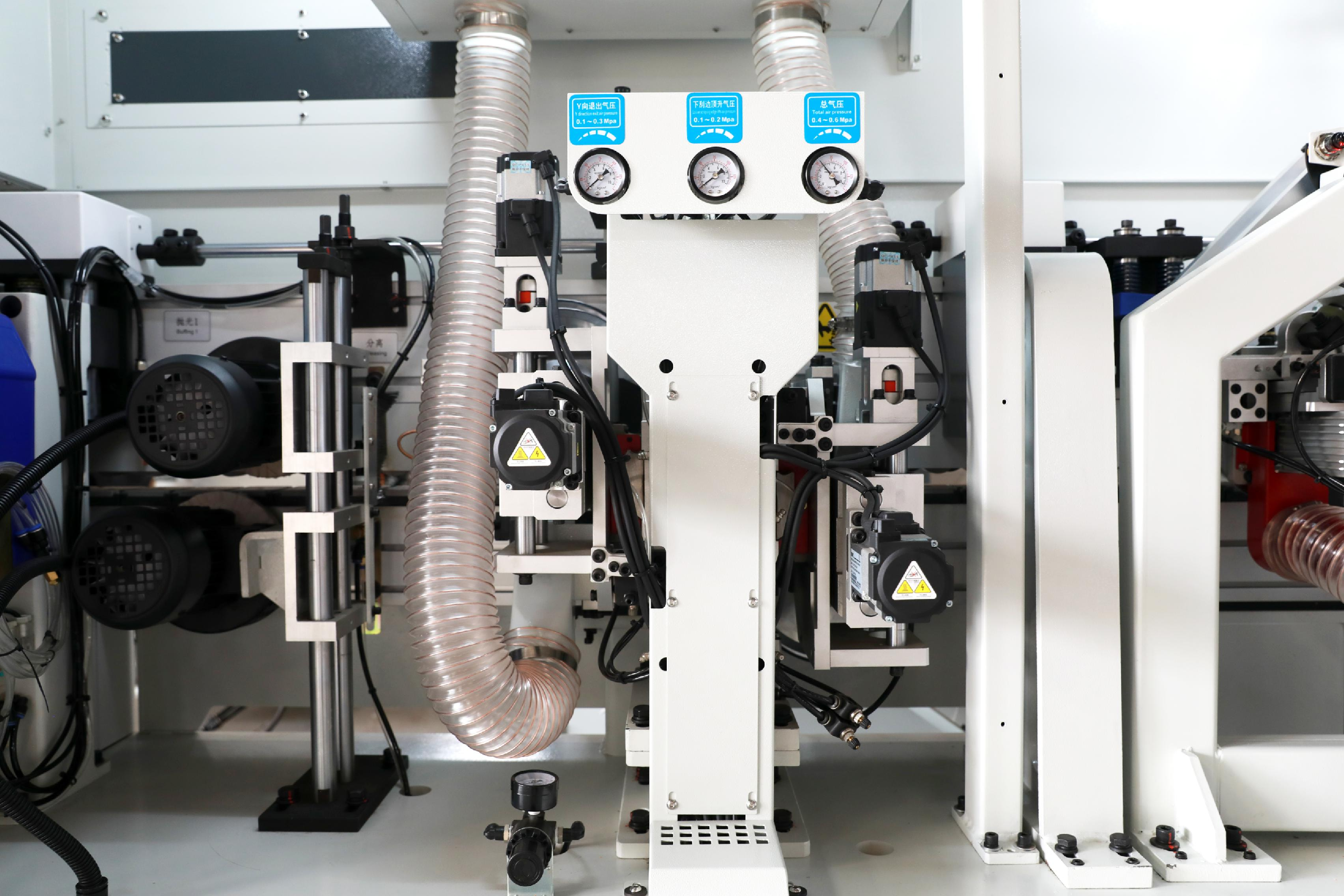
Small and mid-sized shops often lose time to uneven edges, glue squeeze-out, and unpredictable cycle times; that’s the problem that pushed me to focus on practical fixes rather than theory. When you add a servo edge banding machine to a line without matching feed, glue and trimming processes, the machine won’t deliver reliable gains. I’m speaking from hands-on shop work: these gaps are the real blockers, not abstract spreadsheets.
What I learned from the trade show floor
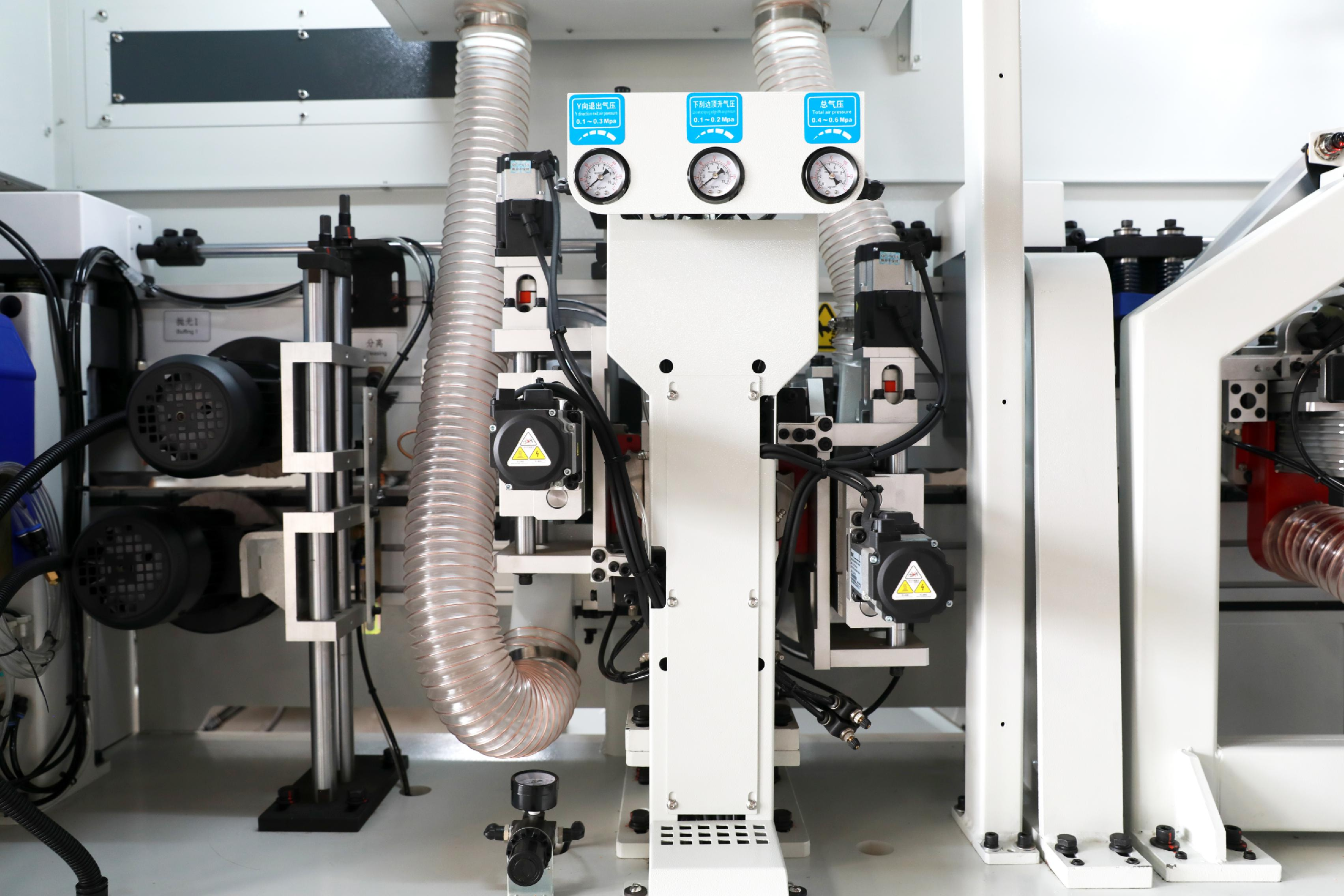
At LIGNA in Hannover, suppliers and workshop managers talked less about features and more about integration: how a single well-tuned wood edging machine placed correctly in a cell cut scrap and rework in half for several lines I reviewed there. That event made it clear that regional sourcing and quick local support mattered as much as machine specs. You see it immediately: uptime improves when service and parts are nearby.
Diagnosing the real causes
Most productivity drops trace to three concrete faults: misaligned process flow, inconsistent material handling, and loosely defined machine settings. Operators can compensate for one variable, but when all three drift, quality and throughput crumble. Pinpointing which of these is dominant takes simple checks—counted rejects, timing a feed cycle, and inspecting glue bead consistency.

Practical fixes that work
Start with small, testable changes. Standardize edge stock and label batches. Lock machine parameters once a reliable glue temperature, speed, and pressure are found. Reposition the edge bander so infeed and outfeed are linear to sanding stations. Run a short trial batch and measure rejects per hundred pieces; tweak one variable at a time. Train operators on two focused points: recognizing a bad joint and knowing where to look when the machine drifts. These steps reduce downtime and stop guesswork.
Alternatives and common mistakes
Some shops try to save by using cheaper manual banding or older machines, but that often shifts labor cost into rework. Others buy the fanciest equipment and leave it isolated—no fixtures, no conveyor rhythm, no routine checklist. Both choices cost more than a targeted integration project. If you’re tempted to rush install, don’t: skipping calibration and operator training is the fastest way to lose the machine’s value.
Where this leads operationally
Pulling these fixes together—local supplier support, calibrated settings, and clear operator routines—moves a line from reactive firefighting to predictable output. Over time you’ll see fewer rejects, steadier takt times, and more predictable delivery windows. For teams I’ve worked with, that combination was more valuable than adding extra heads or bells and whistles. Partners like HUAHUA CNC showed how pragmatic integration, not hype, made the difference on the shop floor, and that steady improvement is what keeps customers returning.