
Start with what you actually carry
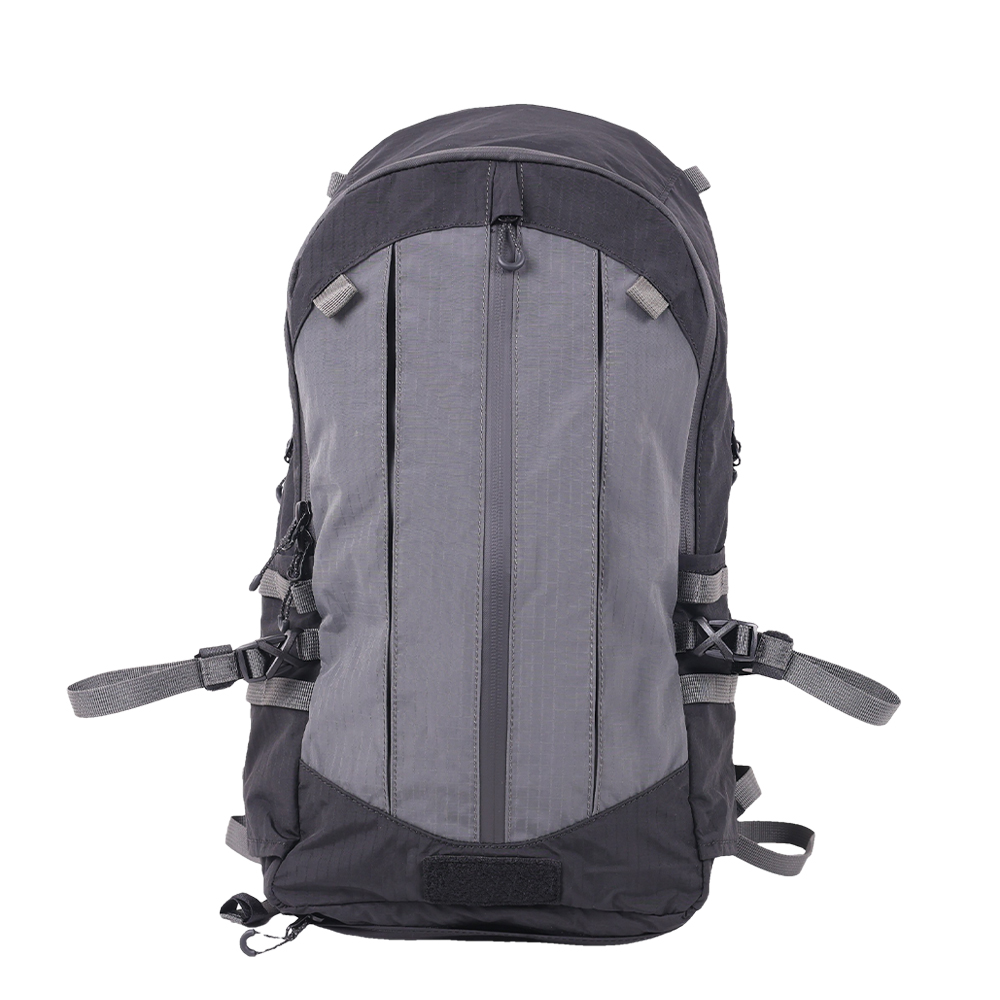
Most people pick a bag by feel, not need, and then wonder why it’s awkward at 8am. Think about morning routines first: laptop, charger, a slim lunchbox, and a rainproof jacket—then imagine fitting them into a single, adaptable pack. A modular choice like the modular backpack makes that simple: compartments scale up or away depending on the day, and you don’t end up juggling loose items on the pavement.
Who this matters to
This is written for the commuter who swaps between office, fieldwork and short trips; the courier who needs quick access; and the parent who wants order in a small space. Think of comfort, quick access, and weather protection as baseline requirements. Choose a bag to fit the parts of your life that repeat daily rather than the occasional one-off event.
Essential features that solve real problems
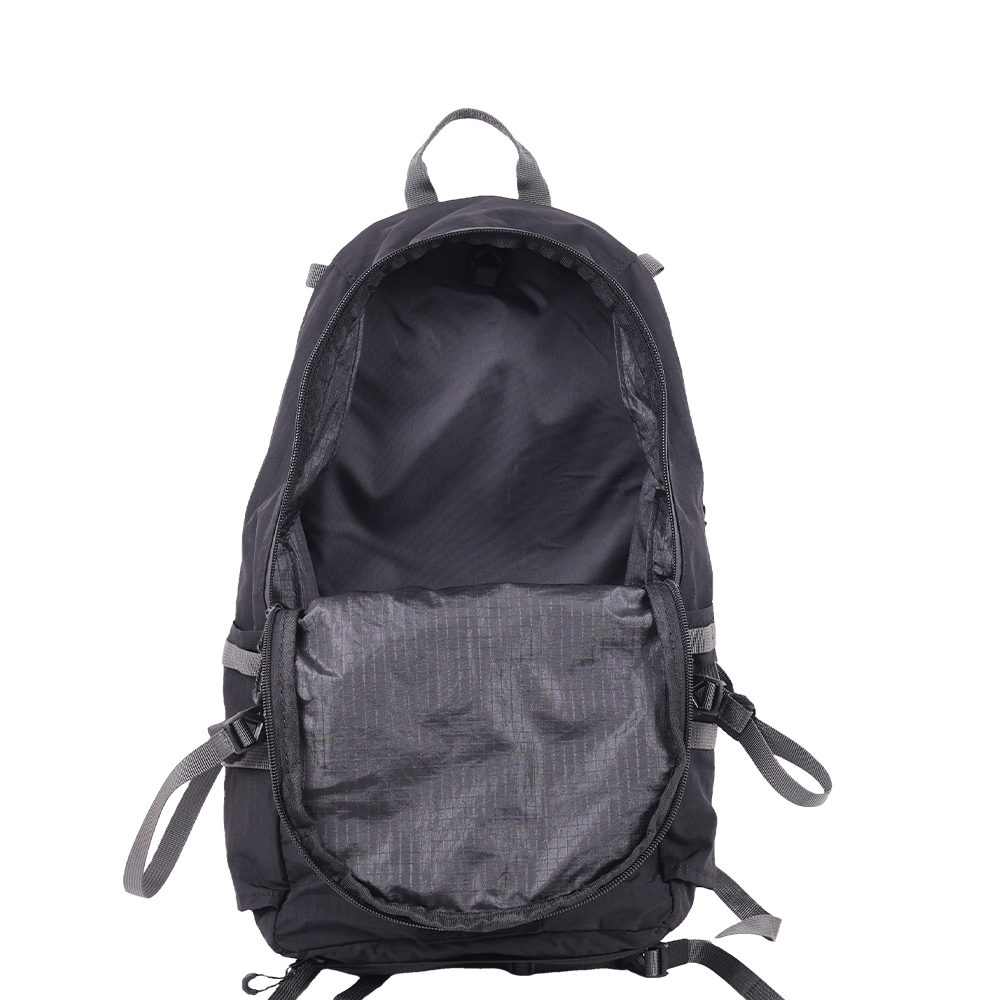
Look for structured organisation (dedicated laptop sleeve plus smaller tech pockets), compression straps to stop contents shifting, a lightly padded back for posture, and weather-resistant fabric without heavy bulk. Low-profile security features—concealed zips or RFID pockets—stop casual theft without adding weight. Quick-access top pockets save time; removable pouches reduce clutter for short trips. None of these are optional if you value speed and order.
Common mistakes people make
Buying by brand prestige instead of fit; choosing oversized totes that cause shoulder strain; picking complex systems whose modules never get used. Another frequent error: prioritising too many compartments and then never using them because they slow you down. A good custom manufacturer will advise downsizing compartments into what you actually use on a weekly basis, not what looks impressive in photos.
Experience and evidence that matter
I’ve spent several years testing daypacks under real urban conditions and speaking with commuters directly. Real-world commuter studies—such as analyses of New York City commuting patterns—show long daily travel times and many mode changes, which makes ease of access and modularity critical; that’s why an urban edc backpack often outperforms single-purpose bags. Trust fabric specs and zippers from proven suppliers, and ask for user-worn photos before committing.
Alternatives worth considering
If you need minimalist carry, a sleek sling with one secure pocket can work; if you haul large camera gear, a photographer’s insert in a robust backpack is better. Modular options sit between: more versatile than a sling, less cumbersome than a full kit bag. When comparing, prioritise how fast you can retrieve your phone and how easily the bag compresses when not full.
How to decide, step by step
Step 1: List the five items you use every day. Step 2: Measure their combined footprint and test that against internal dimensions. Step 3: Check materials and zipper ratings; expect water-resistance and YKK or equivalent hardware. Step 4: Try the bag loaded for twenty minutes—comfort rules. Step 5: Ask the manufacturer about modular swaps or replacements so the bag evolves with you rather than becomes obsolete.
Close: match your routine to a practical maker
Match features to repeated needs, not occasional wants, and you’ll avoid wasted space and weight. A thoughtful custom bag from a manufacturer that supplies durable materials and sensible modular options will simplify everyday movement; that dependable, user-focused result is what ChangRong aims to deliver.