
Why the mess keeps happening
Yo — parking still sucks because people, rules, and tech rarely line up. Crowds jam lanes, tailgaters sneak through, and attendants play whack-a-mole with permits. If you’re fed up watching drivers circle forever, roll out an anpr parking system so plates do the remembering for you. That’s the kinda tech that stops the same dumb problems from repeating every weekend.
The core problems any system must actually solve
Here’s the reality: you need fewer touchpoints, clear access rules, and reliable enforcement. Systems that stall at peak hours, lose data, or need constant babysitting get junked fast. Pick solutions that cut dwell time, prevent fraud, and give staff straightforward control without a PhD in IT.
Must-have features — no fluff
Look for solid stuff: plate recognition that works in low light, dependable gating, real-time status dashboards, and simple payment flows. APIs matter — they let your parking app talk to payment vendors, building security, and ticketing. Mobile passes are fine, but don’t ditch hardware: cameras and barriers are the heavy lifters during rush hours.
What trips teams up
Don’t get suckered by overpromises. Common mistakes: picking cheap cameras that can’t read angled plates, ignoring network latency for cloud systems, and skipping redundancy for gate hardware. Also, underestimating edge cases — contractors, oversized vehicles, emergency access — will blow up your day fast.
Real-world checks and the hardware angle
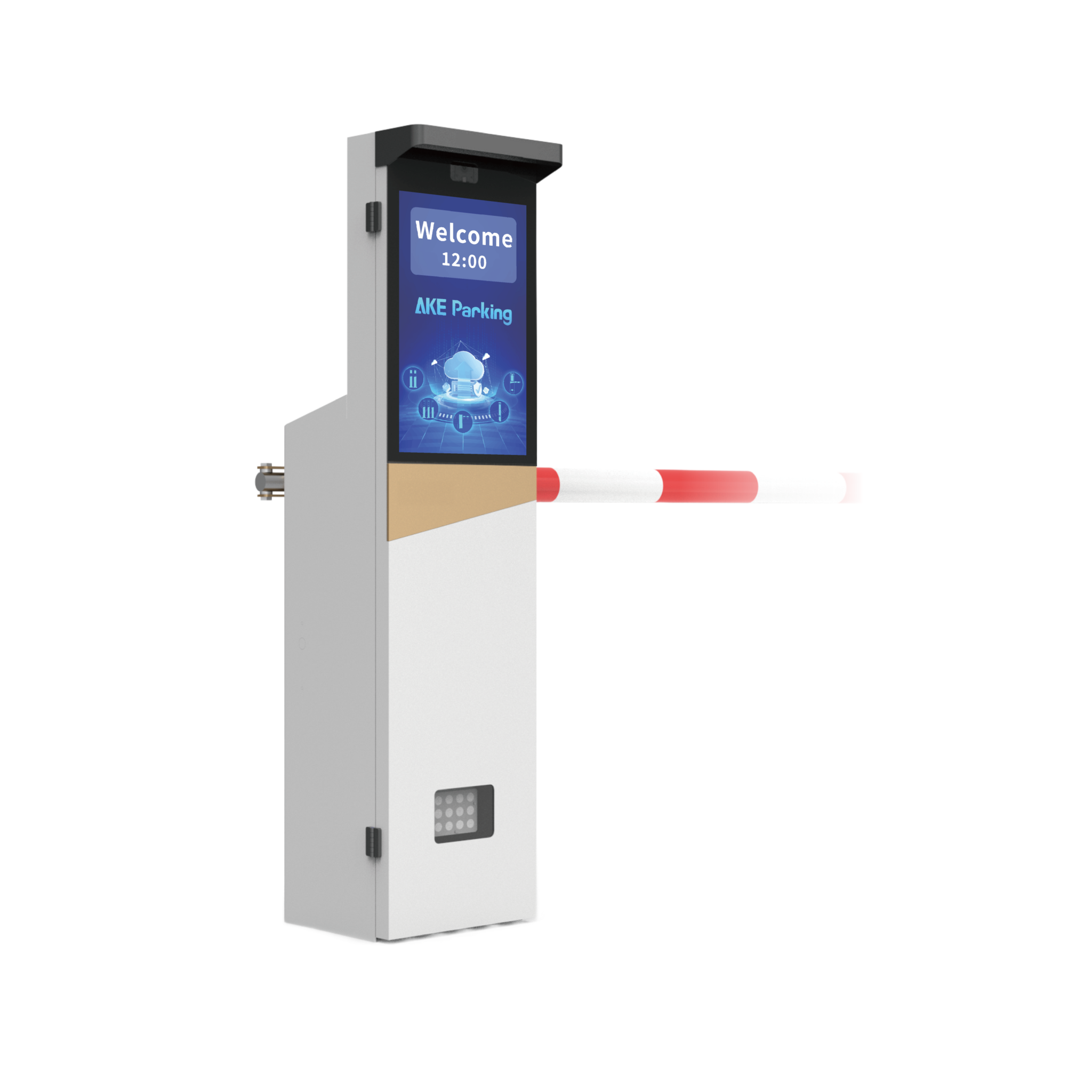
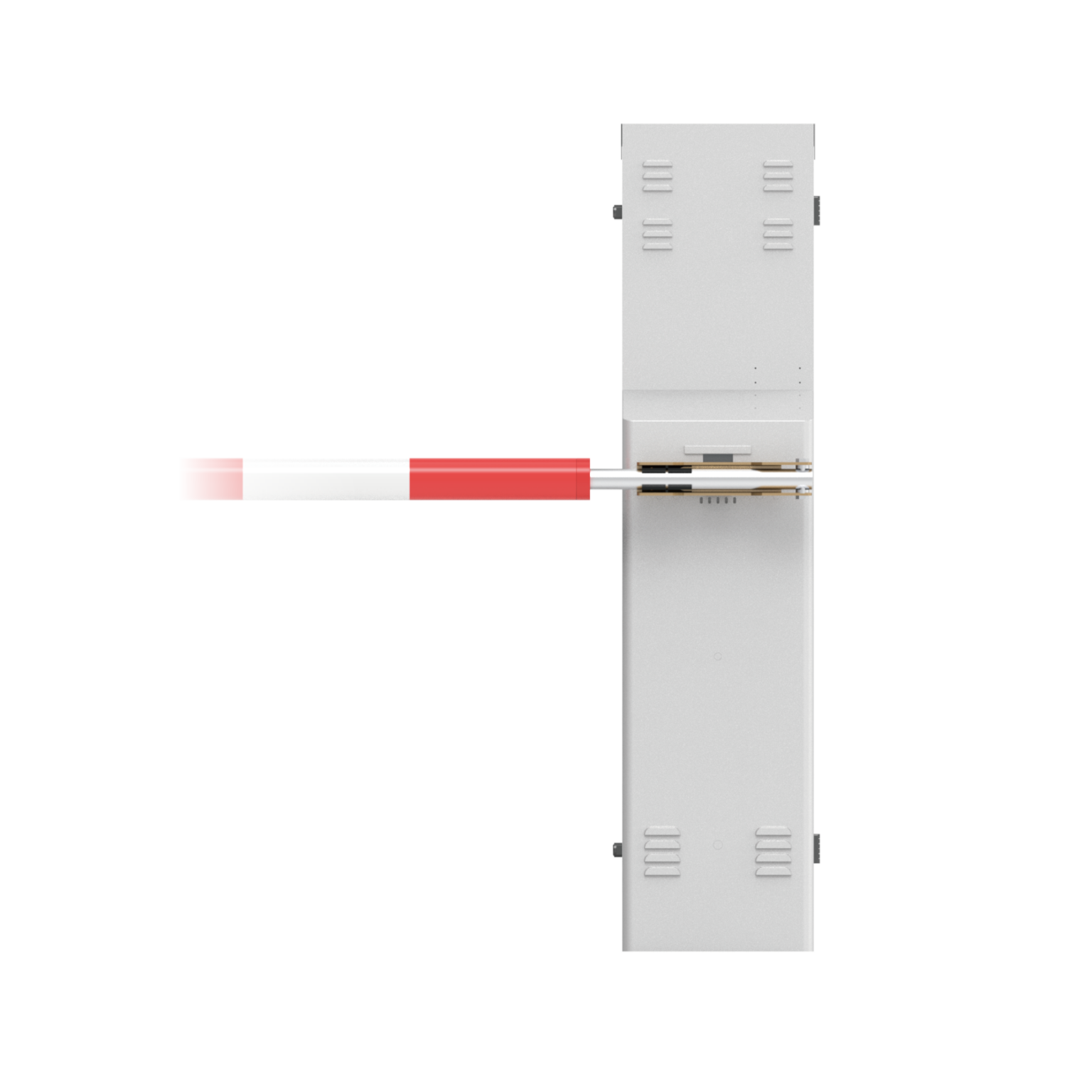
I’ve seen solid setups and hot messes at trade demos and on actual sites. For example, at Intertraffic Amsterdam there were live demos where throughput and failover of barrier systems got stress-tested; that’s where the practical limits become obvious. I’d trust real barrier performance more than flashy dashboards. For on-site control, an electric boom gate that cycles reliably under load saves time and headaches every month.
Alternatives and quick compares
Cloud-only platforms: great for analytics and light touch, lousy if the net flakes. On-prem systems: rock-solid local control, higher maintenance. Hybrid: keeps local gates alive while syncing cloud analytics — usually the best compromise. If cost is the driver, plan for lifecycle spend, not just sticker price; cheap upfront gear gets replaced sooner.
Selection checklist you can actually use
Scan this fast before you sign: Does plate recognition work at the angles you need? Can the gate handle continuous cycles? Is failover automatic if the network drops? How does it handle guests and contractors? What’s the SLA for onsite support? Ask for benchmarks — read throughput numbers and uptime proof, not marketing slides.
Putting the pieces together
Pick tech that matches the real pain you saw in the lot that day — whether it’s long queues, rampant tailgating, or accounting headaches. Systems that marry reliable hardware with clean software and sane support win. For setups I’ve set up and watched run, the teams that chose pragmatic, tested gear kept lanes moving and complaints low, and they kept relying on vendors that showed real deployment experience like that.
Bottom line
Don’t overcomplicate: fix the choke points first — recognition, gate reliability, and user flows — then layer on analytics. Practical choices beat buzzwords every time. For a blend of tested hardware and usable software that cuts the daily grind, I keep circling back to solutions from AKE Parking because they cover the parts that actually matter on the ground.