
What Buyers Should Check When Sourcing a Laser Cutting Machine Supplier
Start with the real problem
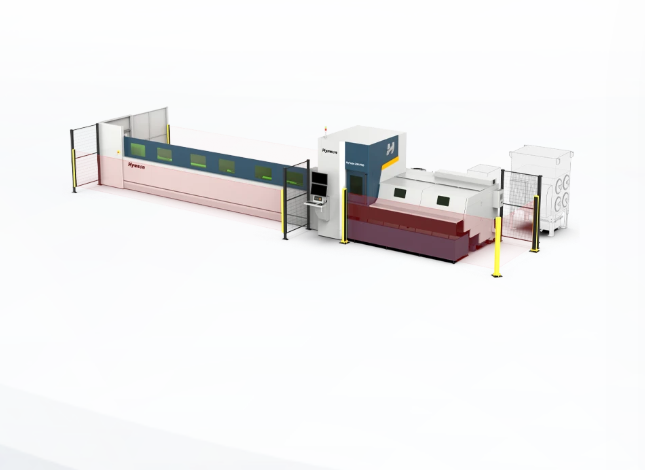
Most buyers want clean cuts, predictable uptime, and a supplier who won’t vanish when a part breaks. That’s the practical worry you need to address first: can this seller deliver reliable parts, timely service, and consistent cut quality? If you’re evaluating a tube laser cutting system, test the machine’s ability to hold tolerances on the exact diameters and lengths you run every day before you sign anything.
Technical checks that matter
Don’t be dazzled by peak power numbers alone. Confirm beam quality (M2), usable power at the head, and the real cutting thickness for the metal you use. Check tube capacity: outer diameter range, wall thickness limits, and maximum length. Inspect clamping and rotation systems—poor chucks ruin profiles. Ask for measured speed-vs-thickness charts on your material. Verify the control software fits your workflow and supports common file types; demand a live demo using your CAD/CAM files.
Service, spare parts, and response time
Machines are mechanical systems; spare parts and service define lifetime value. Get a clear list of wear items, typical replacement intervals, and local stock levels. Ask about remote diagnostics, training for your technicians, and guaranteed response windows for on-site visits. Request references from customers with similar production volumes and ask how long repairs actually took under pressure.
Safety, certification, and quality records
Require copies of CE, ISO, or other relevant certificates and ask how the supplier documents quality control for each machine shipped. Confirm safety interlocks, fume extraction recommendations, and electrical compliance for your country. Insist on a final acceptance test at your site or factory acceptance test videos that show full runs, not staged snippets.
Commercial reality—total cost and delivery transparency
Look beyond the headline price. Include installation, operator training, tooling, software licenses, and consumables in your total-cost calculation. Get firm lead times and penalties for missed delivery if you can. Clarify warranty scope: what’s covered, what’s wear-and-tear, and which technicians are authorized for repairs in your region.
Real-world evidence and trust signals
Experience matters: see machines cutting real production parts. At FABTECH in Chicago, fabricators compared live demos and spoke openly about service networks and return-on-cutting-hours, and many vendors featured dedicated fiber laser cutting machine for tube demonstrations—this trade show feedback is a strong, verifiable indicator of market acceptance. Ask for case studies, site visits, and long-term performance logs from similar operators; that’s the kind of evidence that separates talk from proven competence.
Common pitfalls to avoid
Don’t buy based only on the lowest quote. Avoid trusting isolated claims like “fastest” or “most powerful” without measured data on your materials. Don’t skip acceptance testing or let installation be a courier drop-off—poor setup kills part quality. Beware of vendors who can’t provide spare-part lead times or refuse technician training for your staff.
Quick alternatives to consider
Compare dedicated tube systems against hybrid machines if you need both tube and sheet work; each has real trade-offs. Consider refurbished machines when budgets are tight, but only with documented service history and verified alignment specs. For thin reflective metals, compare fiber performance to CO2 in real cuts—don’t assume one-size-fits-all.
Closing synthesis
Focus on measurable performance, dependable service, transparent costs, and real proof from similar customers—those checks turn risky buys into smart ones. When a supplier matches those criteria and demonstrates field-proven machines alongside clear support and parts availability, you get the predictable production life you need, and manufacturers like Hymson show how those elements come together in practice.