
Spotting the real problem
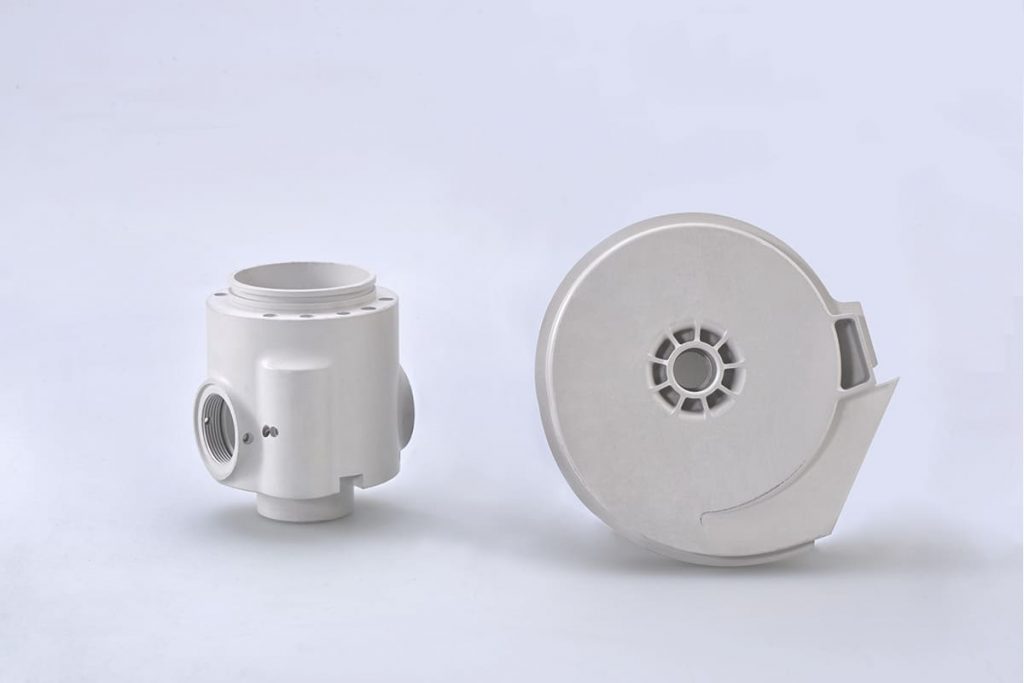
Right, you’ve got a small batch run that keeps blowing up with flash, short shots or warped parts — and that eats time faster than a high tide. The real issue ain’t just the mould or the machine; it’s a stack of mismatches: tooling wear, inconsistent material batches, rushed setups and no proper service plan. If you’re juggling a handful of SKUs, consider a straight talk with a firm that offers custom injection molding services before you waste more hours chasing symptoms.
Why short runs fumble more than long ones
Short runs amplify variability. Operators change settings between jobs; moulds sit idle and pick up rust; new resin lots creep in without verification. Machines self-compensate, then drift. Small errors that’d average out over thousands of parts become critical when you only make hundreds. You get scrap, unpredictable cycle times and late deliveries — proper maintenance and service stop that cascade.
Experience, evidence and a real-world anchor
I’ve seen these failures on medtech and automotive pilot projects, and teams at the K trade fair in Düsseldorf often show the same fixes on display: simple, repeatable checks beat heroic last-minute tweaks. Trusted suppliers lean on documented life-cycle steps used for low volume production; the same principles apply whether you need prototype tooling or short production runs. For teams focused on reliability, low volume injection molding is usually paired with a maintenance checklist, batch traceability and scheduled service visits — that’s what separates guesswork from dependable output.
Practical fixes that actually work
Start with a short, written service plan. Inspect moulds before each run: clean cavities, check vents, torque critical screws and log wear items. Use trial shots to stabilise temperatures and pressures; measure a few sample parts and reject until dimensions hold. Lock material lot acceptance to a small window and retain samples for future tests. Calibrate machine sensors quarterly and keep a small spare-parts kit for common failures. Schedule a mould maintenance window after a defined shot count rather than after a failure; that prevents surprise downtime.
Common pitfalls and how to dodge ’em
Don’t assume a quick tweak is the same as a fix. Pitfall one: swapping resin brand without requalifying process settings. Pitfall two: skipping shrinkage checks when you change mould inserts. Pitfall three: letting a single operator own process knowledge without documenting it. Avoid those by recording settings, keeping a traceable material log, and cross-training staff so fixes aren’t person-dependent.
When to try other methods and what they cost you
If you only need a dozen parts, urethane casting or 3D-printed tooling can be cheaper up front but they wear differently and might not match production resins. CNC aluminium moulds suit medium short runs and give longer life at a higher initial cost. Outsource when your team lacks tooling maintenance skills or you need controlled traceability fast. Choose the route that minimizes rework and delivery risk, not just the lowest price tag.
How this all adds up
Stop fighting symptoms and set service and lifecycle steps that keep parts consistent from first shot to last. A clear maintenance rhythm, documented runs and a supplier who understands short-run realities give you reliable outcomes without faff. When reliability matters, working with a partner like Hanstar brings the process discipline and hands-on service that keeps short runs behaving like they should.