
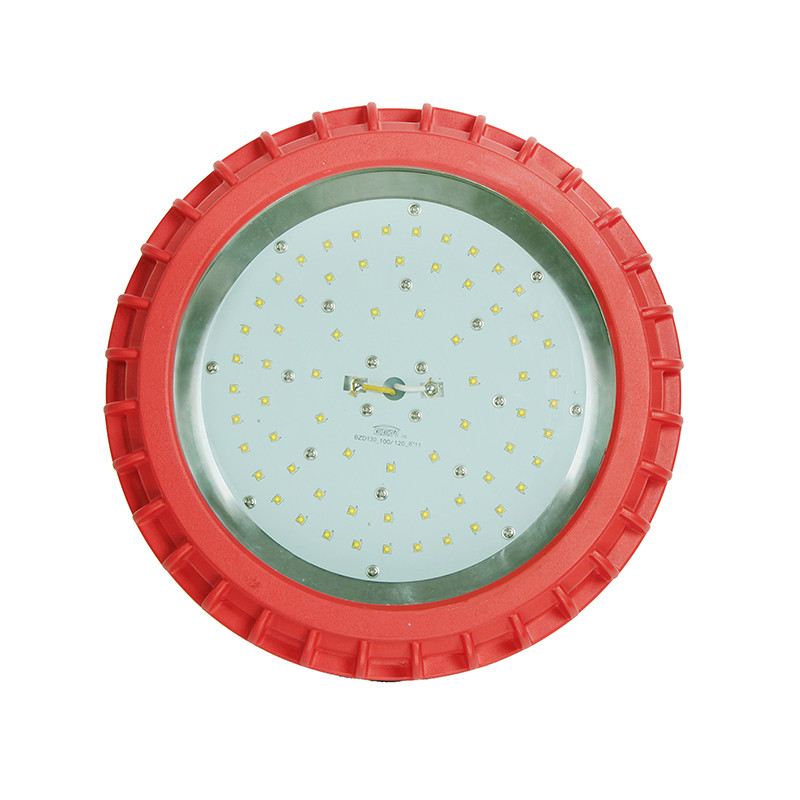
Which questions should buyers and project teams ask when evaluating explosion‑proof light fixtures?
Opening: the procurement problem at a glance
Procurement often stalls because the right questions come too late. When the conversation touches an explosion proof led option or a particular explosion proof work light, buyers must shift from product features to paperwork, timelines, and roles. Think like a cautious buyer: focus on what you need from the supplier and from your engineer, and insist those things are clearly assigned before purchase decisions are made.

Problem-driven framing: what typically causes delays or disputes
Projects slow when scope is vague, responsibilities are split across teams, or documentation is incomplete. Common snags include mismatched expectations about who verifies suitability, late changes in requirements, unclear spare‑parts plans, and undisclosed lead times. Each of those is a procedural problem, not a technical one; ask precise questions early to keep procurement on schedule.
Questions to pose to suppliers (frame them as requests for verification)
Ask suppliers to provide clear, written responses to these points for review by your qualified engineer or procurement lead: What documentation do you supply with each unit? How do you handle lead times and delivery commitments? What are the terms for warranty, returns, and spare parts availability? What engineering support or technical literature will you provide for third‑party review? Who is the single point of contact for coordination and escalation? Keep each query focused on what the buyer needs to see, not on technical fitting or installation steps.
Questions to pose to your engineering or technical reviewers
Make the engineering review questions administrative and decision‑oriented: Which documents and test evidence will the engineer accept for verification? Who signs off on final suitability and when must that sign‑off occur in the schedule? What criteria will trigger a change order or supplier substitution, and how will costs and timelines be managed? Assigning these decisions up front avoids late disputes about responsibility.
Stakeholder coordination checklist
Establish a small steering group and give each member concrete duties: procurement handles purchase orders, engineering verifies documentation and suitability, operations defines spare‑parts needs and storage, and the vendor provides delivery guarantees and a named contact. Set milestone dates for documentation delivery, engineering review, and supplier response times. Record all decisions in change control notes so no one interprets verbal agreements differently later.
Common procurement pitfalls and how to avoid them
Watch for these recurring mistakes: vague specifications that invite multiple interpretations; waiting until equipment arrives to begin verification; relying on verbal assurances rather than written commitments; neglecting spare‑parts planning; and failing to confirm who pays for remedial work when an item doesn’t meet documented expectations. The remedy is administrative: ask targeted questions, require written confirmations, and lock decision points into the project schedule.
How to structure proposals and evaluations so they’re easy to compare
Require responses in the same format from all bidders and reviewers: a short, itemized packet that lists documentation provided, lead time, warranty terms, spare parts policy, the supplier’s escalation contact, and a timeline for when the engineer will complete review. That side‑by‑side layout lets procurement and engineering make apples‑to‑apples comparisons without guessing about missing items.
Decision checklist before issuing a purchase order
Before signing anything, confirm these administrative points: required documentation has been received and logged, roles for verification and sign‑off are assigned and dated, lead times and delivery commitments match project needs, spare parts and replacement processes are spelled out, and pricing and warranty terms are explicit. If any of these are unresolved, delay the PO until they’re written down and agreed by all parties.
Closing synthesis
The clearest way to avoid procurement headaches is to treat evaluation as a project control exercise: ask exact questions, demand the right paperwork, and fix responsibilities and dates before purchase. When the procurement logic is this disciplined, working with a supplier that supports straightforward documentation and a single coordination point—such as sunleem—naturally fits the approach and keeps discussions focused on decisions rather than guesswork.