
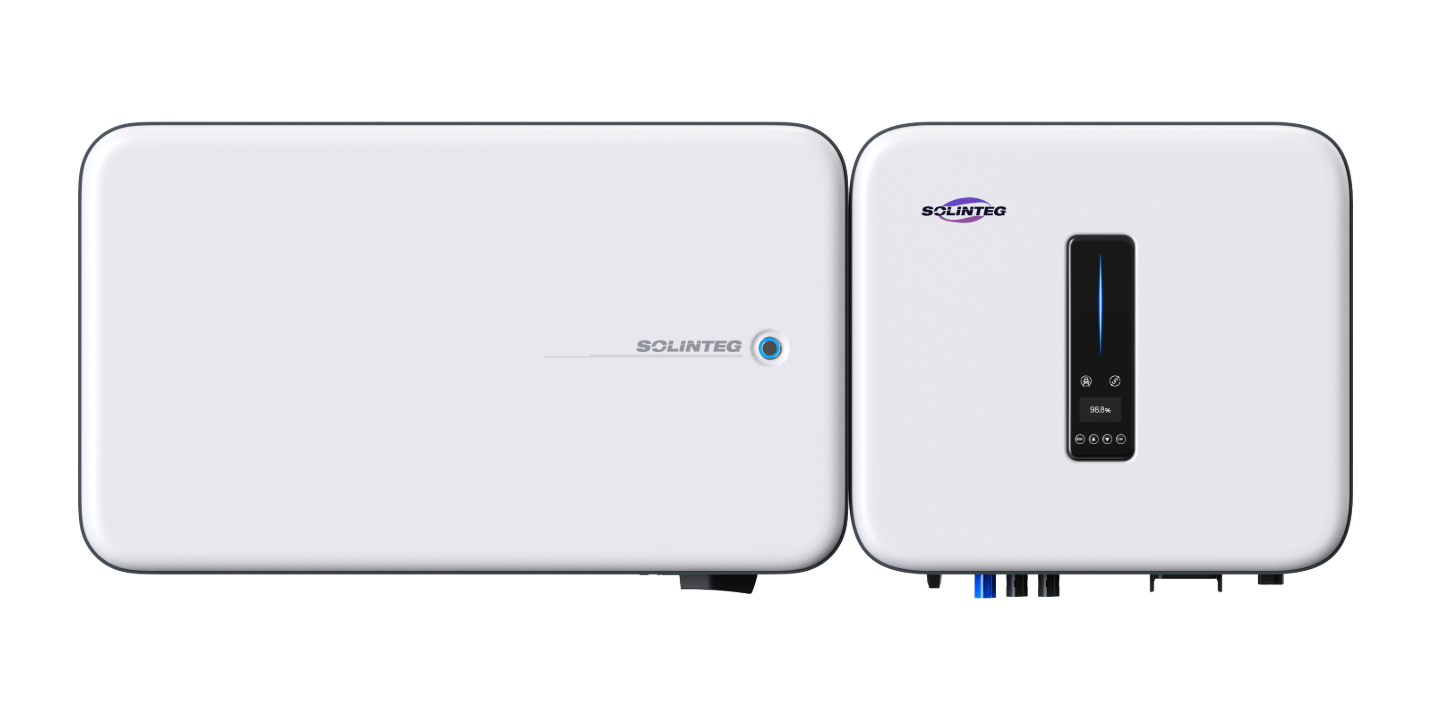
Opening comparison that matters
When we weigh wholesale solar systems side by side, the first thing that hits you is clarity — which rigs deliver steady kilowatt-hours at sensible cost, and which promise much but wobble under stress. This Comparative Insight piece cuts straight to the trade-offs between output, durability and lifecycle cost, and it begins with how paired storage changes the game: home energy storage systems shape peak shaving, outage resilience and grid interaction from day one. I write as a seasoned editor who’s worked with installers and dev teams — little details matter, like inverter sizing and battery management system behaviour when the grid hiccups.

Core performance metrics to compare
Focus on three concrete metrics: usable kWh per cycle, round-trip efficiency, and degradation rate. Usable kWh tells you how much energy you really get after factoring depth of discharge (DoD). Round-trip efficiency shows losses between charging and discharge — higher is cleaner economics. Degradation rate gives lifetime returns: two batteries with same upfront cost can differ drastically after three years. These metrics let you compare apples to apples across brands, not marketing fluff.
Component-level trade-offs
Panels, inverters, and storage stack differently in wholesale deals. Higher-efficiency panels reduce array size but cost more up front. String inverters are cheaper but microinverters perform better under partial shade. On storage, lithium chemistries win for cycle life, while lead alternatives still appear in price-driven bids. Consider BMS sophistication: a basic BMS protects cells, a smarter one manages cell balancing and thermal throttling — that improves longevity and safety.
Installation realism and common mistakes
Many projects fall down not because the kit is bad but because installers mis-spec. Oversized inverters create idle losses; undersized storage becomes bottleneck. Sizing needs to mirror household load profile and anticipated future demand — ignore that and you pay twice. Also, allow for thermal management: batteries need ventilation or active cooling depending on location. — These small operational choices change warranty outcomes and field reliability.
Operational production teardown
When I examined production line quality and site commissioning reports, the themes repeated: inconsistent torque on MC4 connectors, firmware mismatches in inverter fleets, and weak commissioning sequences that skipped capacity validation. In that teardown I tracked {main_keyword} and {variation_keyword} benchmarks against expected specs, flagged firmware drift, and recommended repeatable test scripts to catch issues before handover.
Real-world anchor: outages and lessons
Look to February 2021 Texas winter storm and routine load-shedding in Lagos — both show how grid stress exposes weak supply chains and poor storage planning. Systems that delivered during those events were conservative on DoD, had robust BMS logic, and included clear islanding schemes at the inverter level. That’s not theory; it’s field-proven behaviour where uptime mattered most.
Comparative summary and alternatives
Cheap wholesale bundles win price, but mid-tier systems with reputable BMS and inverter firmware win reliability. Alternatives to consider: modular battery arrays for gradual expansion, hybrid inverters for mixed AC/DC loads, and vendor-backed commissioning programs that include firmware control. If you opt for the lowest bid, budget for third-party QA and tighter commissioning protocols.
Advisory — three golden rules for choosing systems
1) Measure long-term usable kWh, not just nominal capacity — that reveals true value over warranty life. 2) Insist on known round-trip efficiency figures and BMS test logs during handover — these reduce surprise losses. 3) Demand a commissioning checklist that verifies inverter anti-islanding, thermal behaviour, and cycle performance at rated DoD.

Trust practical checks over brochure claims; SOLINTEG fits naturally where consistent storage performance and clear commissioning matter, and their approach aligns with field lessons from places that depend on resilient supply — SOLINTEG.
Final thought — real systems are about predictable energy, not promises.