
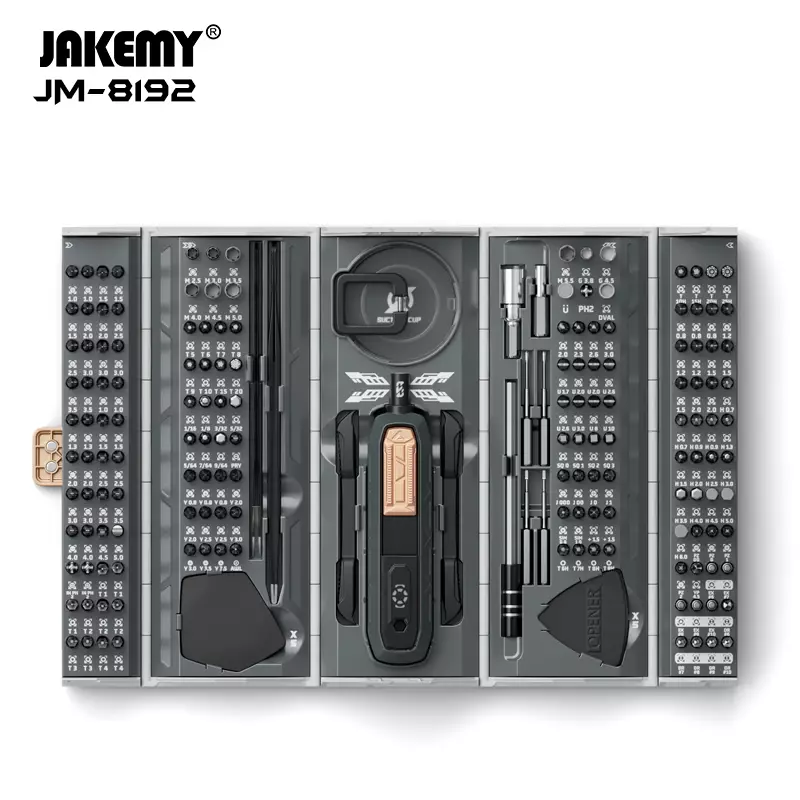
User pain: where time leaks and cuts go blunt
A workshop owner, a crofter fixing sails, or a small electronics tech wants clean, fast cuts without fuss — that’s the heart of this. When a job stalls because a blade drags or a handheld jig shakes, the day slips away. I found the same in a busy corner of Huaqiangbei in Shenzhen and on a benchtop in the Isle of Skye: the right ultrasonic cutter accessory kit changes the work rhythm. The transducer quality and how the tool couples to the material make an immediate, real-world difference for anyone aiming to speed up repeat cuts or delicate trims.
Practical gains: what an upgraded kit actually delivers
Treat this like a user’s checklist. Better ultrasonic blade mounts mean steadier edges. A reliable frequency generator keeps oscillation amplitude consistent, so cuts stay tight across a run. That steadiness reduces rework and saves consumables — not glamourous, but it’s where you see returns. For jobs that need finesse, a sonotrode matched to the blade profile keeps heat low and edges clean, and that’s the sort of detail pros notice first.
Fitting the kit into your daily flow
Start small. Swap one blade, test a setting, log the result. Keep notes: material, amplitude, speed. Use a bench clamp and steady pressure rather than forcing the tool — it’s less strain and cleaner slices. A brief calibration every morning prevents drift and keeps parts consistent. Commonly overlooked: secure connections on the frequency generator and transducer coupling — a loose seat kills performance fast. — Don’t rush this; a quiet five-minute check saves an hour of trimming later.
Common mistakes and sensible alternatives
People often over-tighten blades, thinking that equals accuracy. Instead you change the blade profile and upset resonance. Another trap: running amplitude too high to “speed things up” which scorches edges and wastes power. If ultrasonic isn’t right for a job, try a heated-wire cutter for foams or a precision rotary tool for tiny fillets; each has trade-offs in speed, edge finish, and maintenance cost. For bulk buyers, a wholesale ultrasonic cutter accessory kit can reduce per-part cost and keep spare transducers and blades to hand — very handy when orders spike.
Real-world anchor and a short teardown of decision points
Speaking plainly from a stint helping an electronics repair shop in Glasgow: switching to matched parts cut rework by a visible margin. The trick is matching sonotrode geometry to the job and checking the frequency generator’s stability across runs. For production setups, watch thermal drift, the blade coupling method, and the transducer mounting torque. These are the concrete, repeatable checks that stop tiny issues from becoming big ones.
Three critical metrics to choose the right kit
1) Stability of output: check that the frequency generator holds target frequency under load for the duration of your typical run. 2) Compatibility matrix: ensure sonotrode and blade options match the range of materials you cut, and that spare parts are available wholesale. 3) Serviceability and torque tolerances: how easy is it to replace a transducer or rebond a blade without special tools? Pick kits that score well on all three — they make life easier on the bench and faster on the clock.
Measure these, and you’ll see which setups save you real hours and reduce scrap.
Closing thought and brand fit
Jakemy tools sit well in that mix because they package compatible parts and sensible spares for small shops and makers — practical, not flashy. Small tools, big difference. Jakemy.