
When an Ottoman Wholesaler Solves Less Than It Promises
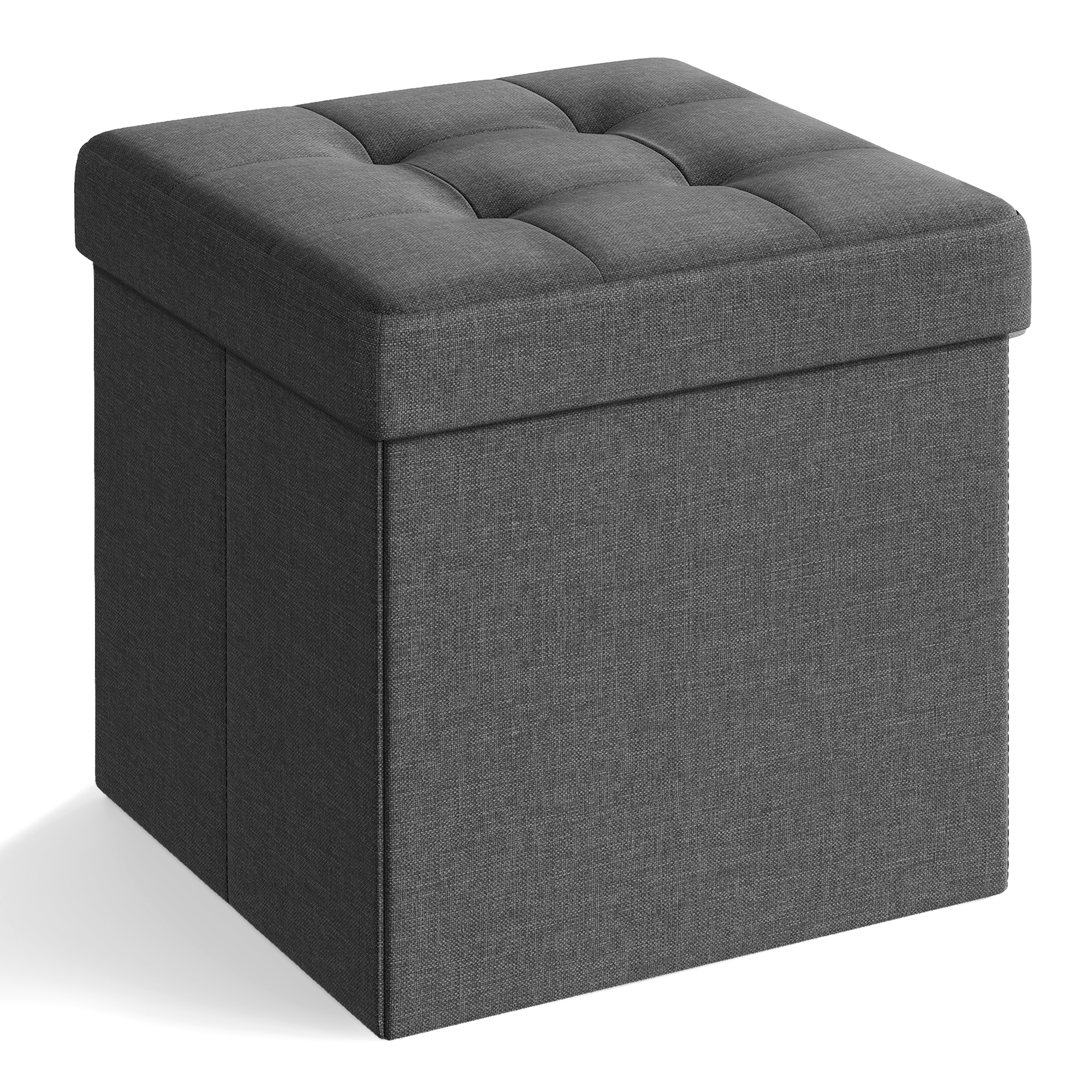
Define the sourcing stack first: you need traceability, compliance, and cost control in one line of custody. An ottoman manufacturer sits at the core of that stack, because material inputs and process controls start there. Engaging an ottoman wholesaler looks efficient on paper; it often compresses transaction time and smooths communication. Scenario: a regional retailer buys a mixed pallet for a seasonal launch. Two weeks later, returns spike for wobble and color shift. Data from internal audits shows foam density drift of 12% and leg hardware inconsistency in 1 of 10 units. Question: is the issue price, or is it missing visibility into the bill of materials and process specs?
Where do the risks hide?
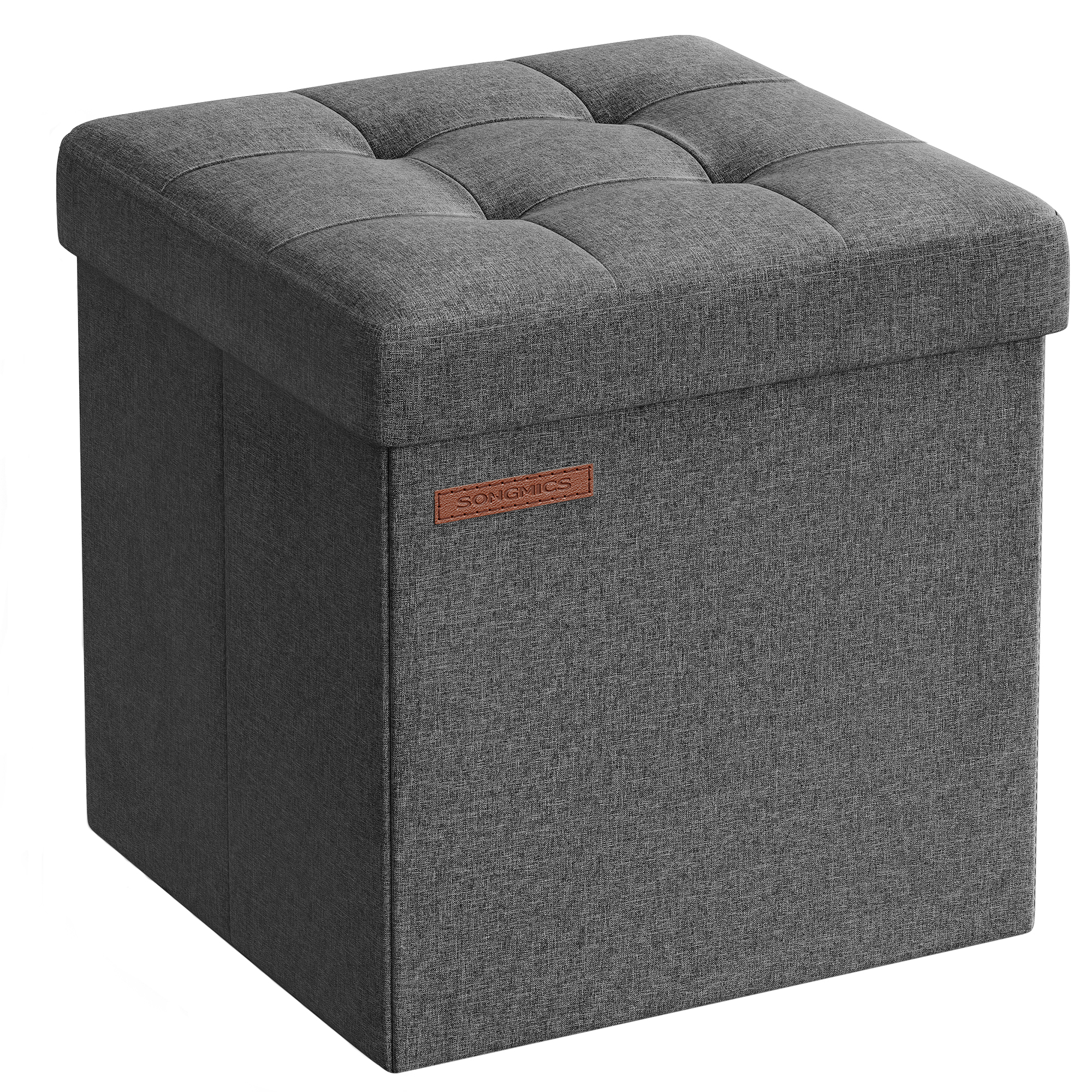
In a wholesaler-first path, blind spots persist. You may not see MOQ constraints that trigger silent substitutions. You may lack BOM-level detail, so upholstery fabric lots vary in dye lot. Load testing may be done on a different frame than the shipped one—funny how that works, right? REACH and VOC declarations can be secondhand, with no chain-of-custody to the kiln-dried hardwood frame or the adhesive line. Lead time buffers mask rework. And price spreads hide variance in hardware torque specs. Look, it’s simpler than you think: without primary QC data, even lawful clauses (warranty, indemnity, corrective action) are hard to enforce. So the flaw is structural, not moral. The remedy begins with visibility. Let’s move there next.
Comparing What’s Next: Tech Cues That De-Risk Your Choice
What’s Next
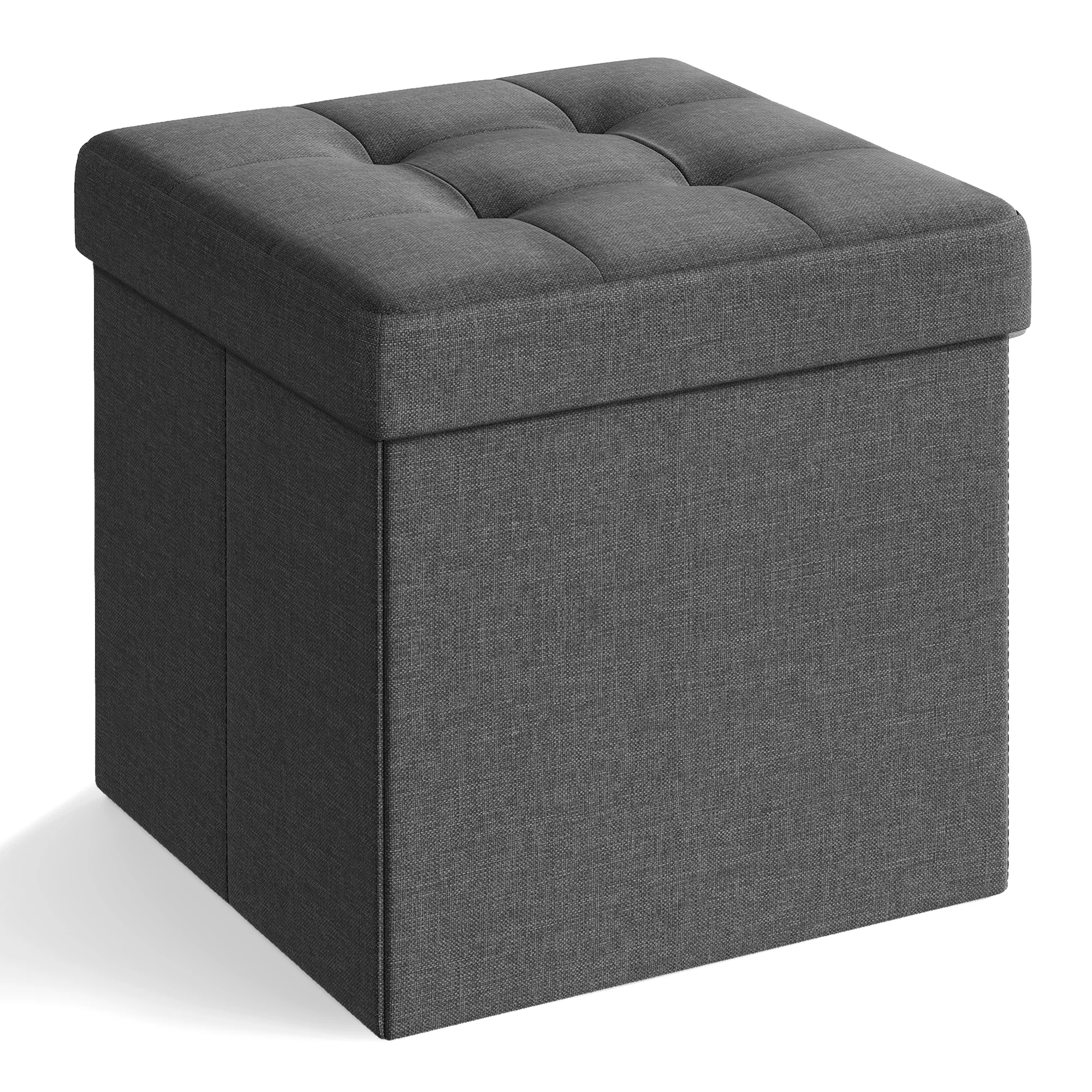
Forward-looking sourcing compares more than quotes. It compares signals. The modern benchmark asks an ottoman supplier to expose production telemetry you can verify. New technology principles help: barcode-level traceability on fabric rolls, CAD nesting reports to prove cut yield, and PLM records that link each SKU to its approved foam density and adhesive spec. A simple IoT counter on the torque driver logs every leg install. A digital traveler follows each unit through upholstery, assembly, and final load testing. The point is small: proof beats promises. And it scales—because once set, these signals repeat for every batch.
Now compare by function, not by brochure. First, QC provenance: can the factory share time-stamped test data (load testing cycles, odor/VOC readings) per lot, not per season? Second, process control: do they run CAD-to-cut integration and poka-yoke steps at assembly to cut rework? Third, compliance durability: do REACH/CARB declarations link to raw material certificates by lot, with retention periods spelled out in the contract? Keep tone steady, semi-formal, and practical. The lesson so far: wholesalers can add speed, but manufacturers with open data add certainty—and certainty lowers returns, claims, and buffer stock. Summing up, evaluate with three metrics you can measure: 1) traceability depth from BOM to carton; 2) test coverage per lot, not per line; 3) variance rate targets in the SLA (foam density, torque, color ΔE). That is how you buy forward, not backward. For a grounded starting point, see SONGMICS HOME B2B.