
The problem at hand — why this matters now
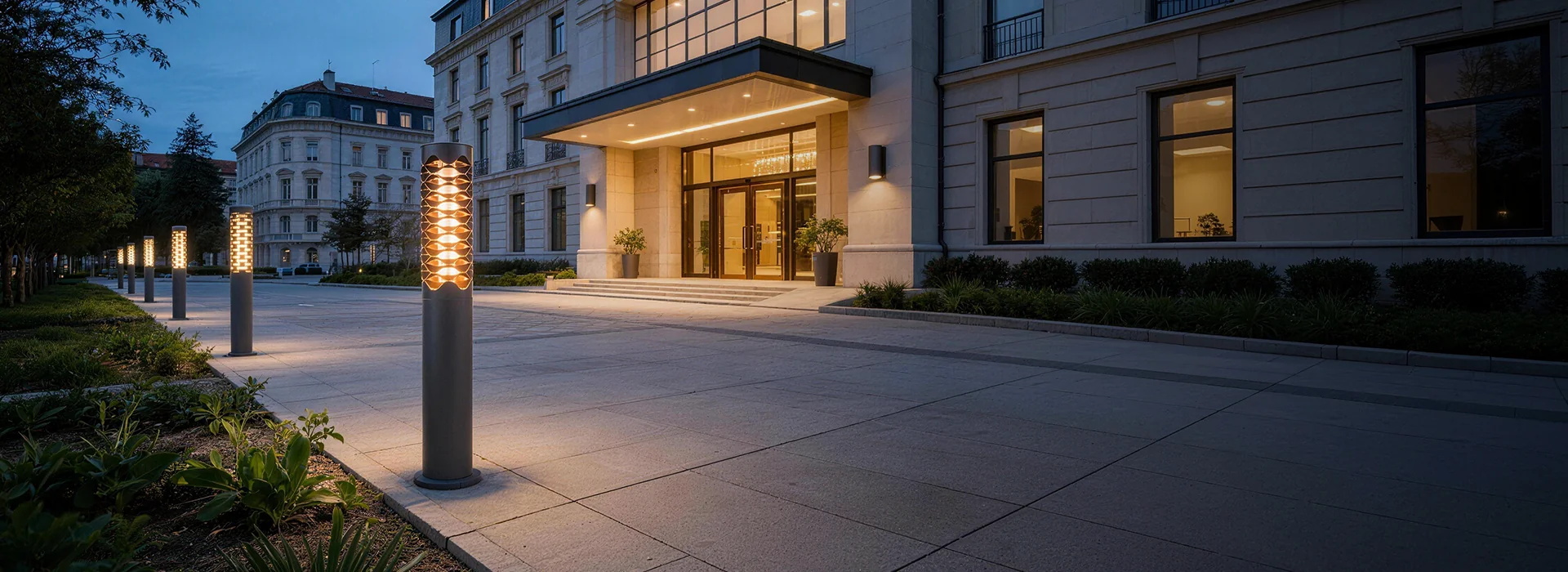
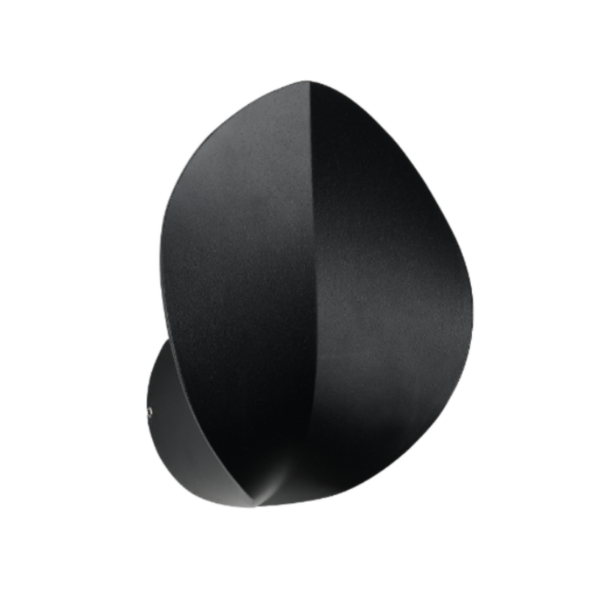
Many property managers and spec teams lah, they buy outdoor lighting in bulk because price look good, then later kena headache when bills climb and control systems misbehave. The real issue: manufacturers ship luminaires without clear power factor specs, unchecked LED drivers, or consistent lumen output claims — so your building façade ends up inefficient and flicker-prone. Add a motion sensor element into the mix, and compatibility becomes even more critical — for example see this outdoor wall lights motion sensor product that lists driver and sensor pairing up front. Globally, the IEA estimates lighting accounts for roughly 15% of electricity consumption — so a poorly specified bulk shipment can scale waste quickly.
How power factor and energy efficiency break projects
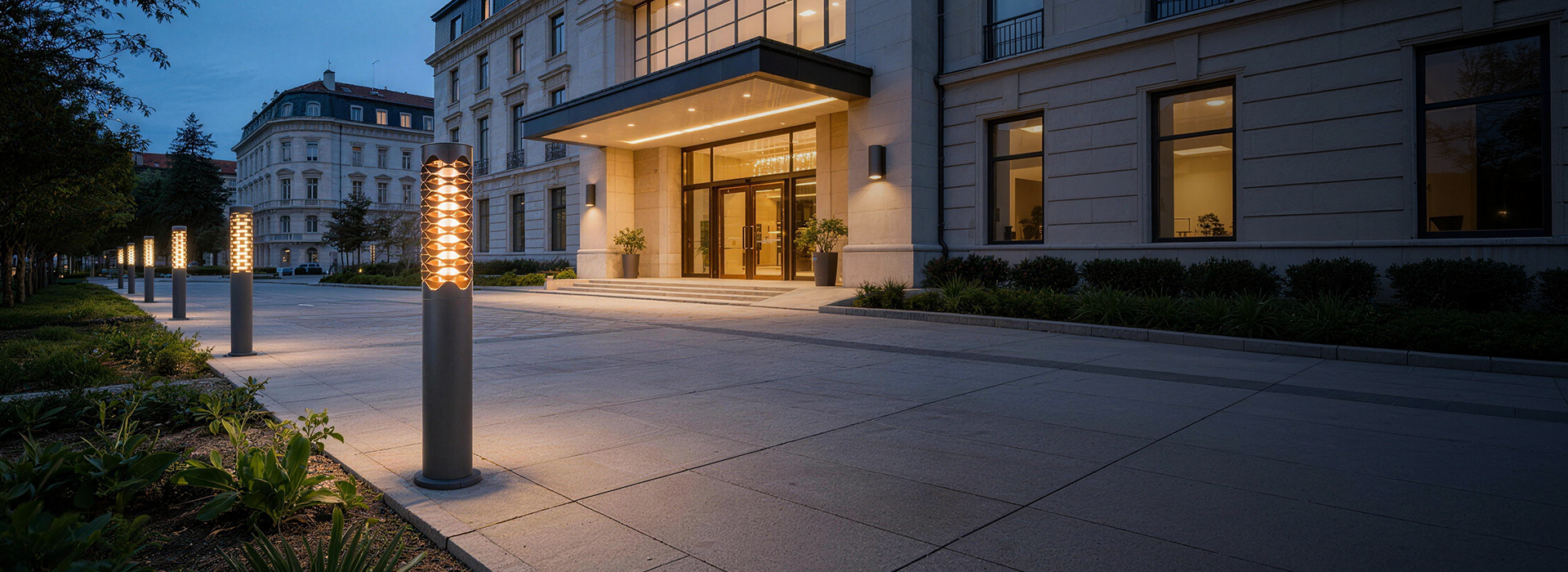
Power factor isn’t just a spec on a datasheet — it affects real-world load, utility billing, and upstream generator sizing. Low power factor increases apparent power draw, sometimes forcing installations to upgrade distribution hardware. At the same time, efficacy (lm/W), color temperature, and CRI determine how many fixtures you need and whether the façade looks right at night. When manufacturers skip driver testing or supply inconsistent IP rating claims, you get early failures or water ingress — very not steady.
Where manufacturers commonly cut corners
Bulk shipments can mask variability. Typical shortcuts include: using generic LED drivers without power-factor correction, optimistic lumen depreciation (L70) estimates, or inconsistent motion sensor calibration across batches. The result? A row of façade fixtures that don’t dim uniformly, or worse, cause nuisance tripping on shared circuits. The procurement team thinks they bought identical units, but tolerances and undocumented firmware differences tell another story.
Buyer checklist — technical checks before you sign
Don’t buy blind. Use this short technical checklist to reduce risk:
- Power factor: insist on ≥0.9 at nominal load and test certificates.
- Driver specs: confirm type (constant-current vs constant-voltage), THD, and thermal protection.
- Lumen output and degradation: request photometric reports and L70 estimates.
- Sensor compatibility: if you need occupancy control, test motion sensor firmware and trigger thresholds across samples.
- Environmental rating: verify IP rating and ingress testing for façade exposures.
Real-world anchor: lessons from a retrofit in Singapore
In a recent city-centre façade retrofit in Singapore, the consultant team swapped old HID floodlights for LED wall fixtures with proper power-factor correction and centralized control. The result: a 40% reduction in lighting energy use and smoother dimming during events — evidence that correct spec matters. This project also highlighted another piece — when you plan for integrated control and motion sensing early, you avoid expensive rewiring later.
Common mistakes teams still make — and quick remedies
Teams often assume all LEDs behave the same — a rookie error. They mix batches from different production runs without verifying color temperature or lumen output, then wonder why the façade looks patchy. Another trap: focusing on per-unit cost and ignoring driver warranties and firmware support. Quick remedies: demand pre-shipment samples, run photometric tests on-site, and require a burn-in report from the factory — those little checks save bigger headaches later. — Also, keep one or two spare fixtures from the same batch for future matching.
Comparing procurement models: single-source vs mixed suppliers
Single-source buys give consistency in color temperature and driver firmware, but risk supply interruptions. Mixed-supplier strategies reduce lead-time risk but increase the need for rigorous acceptance testing. For façade projects where visual uniformity is critical, lean towards single-source with strict first-article inspections. For large campus installs prioritising uptime, a hybrid approach with standardized driver modules helps balance cost and resilience.
Implementation tips from a front-end systems perspective
As someone who’s worked with control interfaces, I recommend defining your DMX, DALI, or 0–10V integration early. Ensure fixture firmware and motion sensor logic expose the parameters you need — dim curves, fade times, and sensor hold-off. If you plan scene-based lighting for events, insist on repeatable color temperature across batches and verified color-rendering index so skin tones and textures look natural on camera.
Advisory — three golden rules for selecting bulk outdoor lighting
1) Measure what matters: require certified power factor, THD, and efficacy numbers on purchase orders. 2) Lock visual consistency: insist on photometric data, color temperature tolerances (±200K max), and on-site sample approvals before mass shipment. 3) Plan for control and spares: specify driver compatibility, motion sensor behaviour, and keep a small reserve of matched fixtures for maintenance.
Do these three and your façade will be efficient, predictable, and easier to operate — the exact value you want when choosing reliable outdoor wall lights for home or large venue projects like façades. In practice, a partner who documents these things up front saves you money and time; think long-term reliability over short-term savings. For projects that need that blend of spec clarity and product depth, Keyida often becomes the natural technical ally. —