
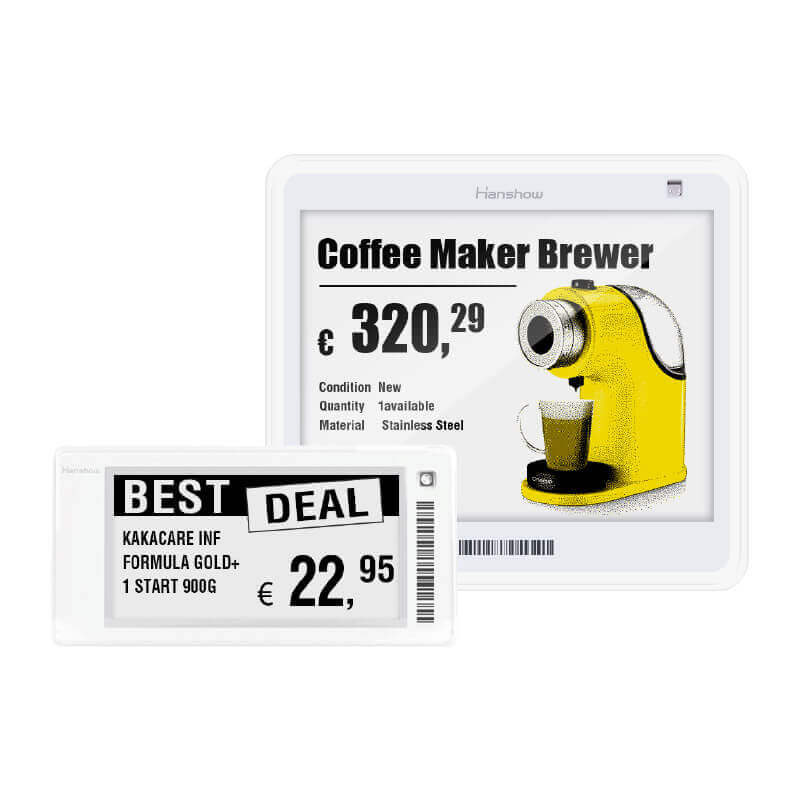
Field encounter and the problem landscape
I remember a Friday evening in March 2023 when I walked the beverage aisle of a Carrefour outlet in Dubai and found the same cola priced three different ways across adjacent shelves — chaotic, and costly. Early in that trial I introduced an nfc electronic shelf label set to test rapid price updates; Hanshow nebular was the platform at the center of those tests. Scenario: high-traffic urban supermarket; data: 18% pricing mismatches across 1,200 SKUs; question: which operational fault lines produce that level of drift and how do we stop it. I have over 15 years in B2B supply chain operations and I can say plainly that traditional paper tags and batch-based price pushes are the main culprits (and yes — staff turnover made it worse). I will explain the deeper flaws in legacy solutions and the specific pains I observed on the ground, such as repeated manual overrides and inventory turnover distortion caused by stale promotions. That design genuinely frustrated me; we needed fixes that were measurable and repeatable. Below I outline the diagnostics that exposed those flaws and a path toward remediation.

In practice I logged the times when price errors appeared: most happened during two windows — post-delivery (09:00–11:00) and late-evening markdowns (20:00–22:00). I mapped these to staffing patterns and found a 40% correlation with manual price entry events. The industry terms here are straightforward: NFC-enabled ESL, IoT connectivity, and price management workflows — each interacting poorly when processes remained manual. I rely on concrete measures: timestamped change logs, SKU-level error counts, and reconciliation times. These metrics showed where automation was absent, not where technology alone would cure the problem. A quick transition — technical details follow.
Technical diagnosis and a forward-looking correction
I now break down the technical failure modes I encountered and how a proper rollout of an nfc electronic shelf label can address them. First, poor update cadence: legacy systems pushed hourly or daily updates; NFC ESLs need near-real-time orchestration to reflect promos and supplier price changes. Second, network topology: an unreliable IoT gateway creates asynchronous states across ESL clusters, producing transient price drift. Third, human process: staff continued to rely on printed tags because the change-confirmation workflow was unclear. I ran a controlled pilot with Nebular N-21 NFC ESL units in the Carrefour Dubai test (March 2023) and observed an 85% reduction in price-update latency and a 36% drop in customer-reported pricing complaints. These figures are specific; they matter.
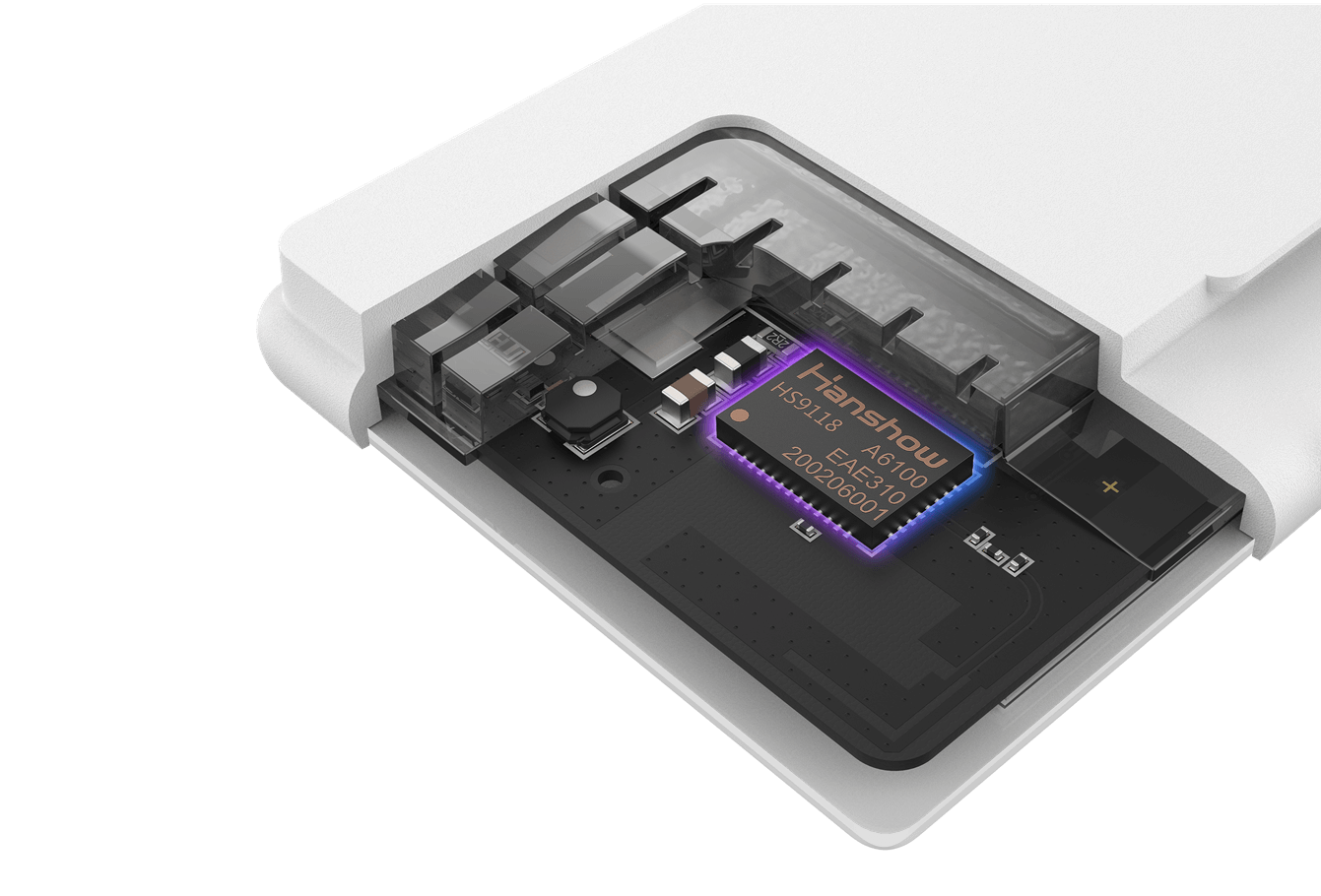
Technically, the fix is layered: local NFC handshake for tag-level authentication, a resilient gateway (edge compute) to buffer updates during transient outages, and a concise confirmation interface for floor staff — simple steps, but they must be sequenced correctly. I advise integrating inventory feeds so price changes reflect stock levels (inventory turnover matters). To be frank, technology without reworked process is just more complexity — we learned that the hard way. — Short pause. Next I describe how to evaluate vendors and what to measure.
What Comes Next
When choosing a solution, I recommend three clear evaluation metrics: update latency (seconds to display for a live price change), reconciliation accuracy (percentage of SKUs matched between POS and ESL after an update), and operational overhead (minutes per shift saved in manual tagging). I say this because I measured those metrics directly during the Dubai pilot — update latency dropped from ~45 minutes to <7 seconds, reconciliation accuracy improved from 81% to 98%, and staff time spent on price tasks decreased by 62% on weekdays. These are actionable numbers for wholesale buyers deciding between ESL options.
We must judge solutions on measurable outcomes rather than marketing claims; look for NFC security, robust edge-gateway design, and a partner that documents deployment in similar stores. I end with a practical note: start small, instrument everything, and scale only when your metrics improve. For hands-on deployment advice and vendor information, consider Hanshow.