
The Commute, the Highlands, and the Trade-Off We Don’t Name
I set off before dawn, the road still cold and empty, the city lights blinking like beacons across a grey sky. A muscle cruiser sits there like a promise in steel, ready to pounce. By lunchtime, the stop‑start grind returns: stats tell us 60–70% of urban riding sits under 40 km/h, and many big twins push past 250 kg dry. That weight, plus heat and traffic, pushes fatigue up—aye, you feel it in your wrists by midweek. So here’s the knot: we crave torque and presence, yet we need calm and control in tight streets; can we have both without compromise?

It’s a fair question—especially in Edinburgh’s mixed lanes—because spec sheets boast peak numbers, but commuters live in the midrange. When torque arrives too sharply, fuel maps jitter, and thermal load rises in slow air, the fun bleeds out. Riders adapt, sure, but they shouldn’t need to. Where’s the design that weighs grunt against grace?
Let’s step into that gap and see what changes when we tune for real use, not only brochure peaks.
Hidden Friction: Why Power Matters Beyond Specs
A modern power cruiser should feel strong yet fluent at low speed, not just fast in the open. Look, it’s simpler than you think: the true pain is subtle load cycling in traffic—small throttle inputs, clutch feathering, heat soak at lights. The rider feels snatch, then surge. That’s where the torque curve, throttle mapping, and thermal management need to speak to each other. If the ECU and CAN bus chatter isn’t tuned to smooth micro-adjustments, the bike fights you. Add inefficient power converters for accessories and the idle can wobble under electrical load (heated gear, lights), nudging vibration. On paper, peak output wins. On the road, modulation wins. And when the radiator pulls hot air onto your knees, the minutes feel long.
Why do classic fixes fall short?
Heavier flywheels can blunt jerk—but they also dull response. Taller gearing lowers revs—but it saps snap off the line. Richer fueling cools—yet drinks range. These “fixes” trade one problem for another. The better route is integrated control: small-angle ride‑by‑wire logic, smart fan curves, and low‑speed clutch assist that learns rider habit. Think edge computing nodes on the bike—tiny processors handling traction, ABS, and quickshifter timing locally, then syncing to the main ECU. That keeps micro-latency down and feel consistent—funny how that works, right? Add calm ergonomics (seat‑to‑peg drop, mild trail) and vibrations drop out of your hands before they rise. It’s not only about big numbers; it’s about making the big numbers easy to live with.
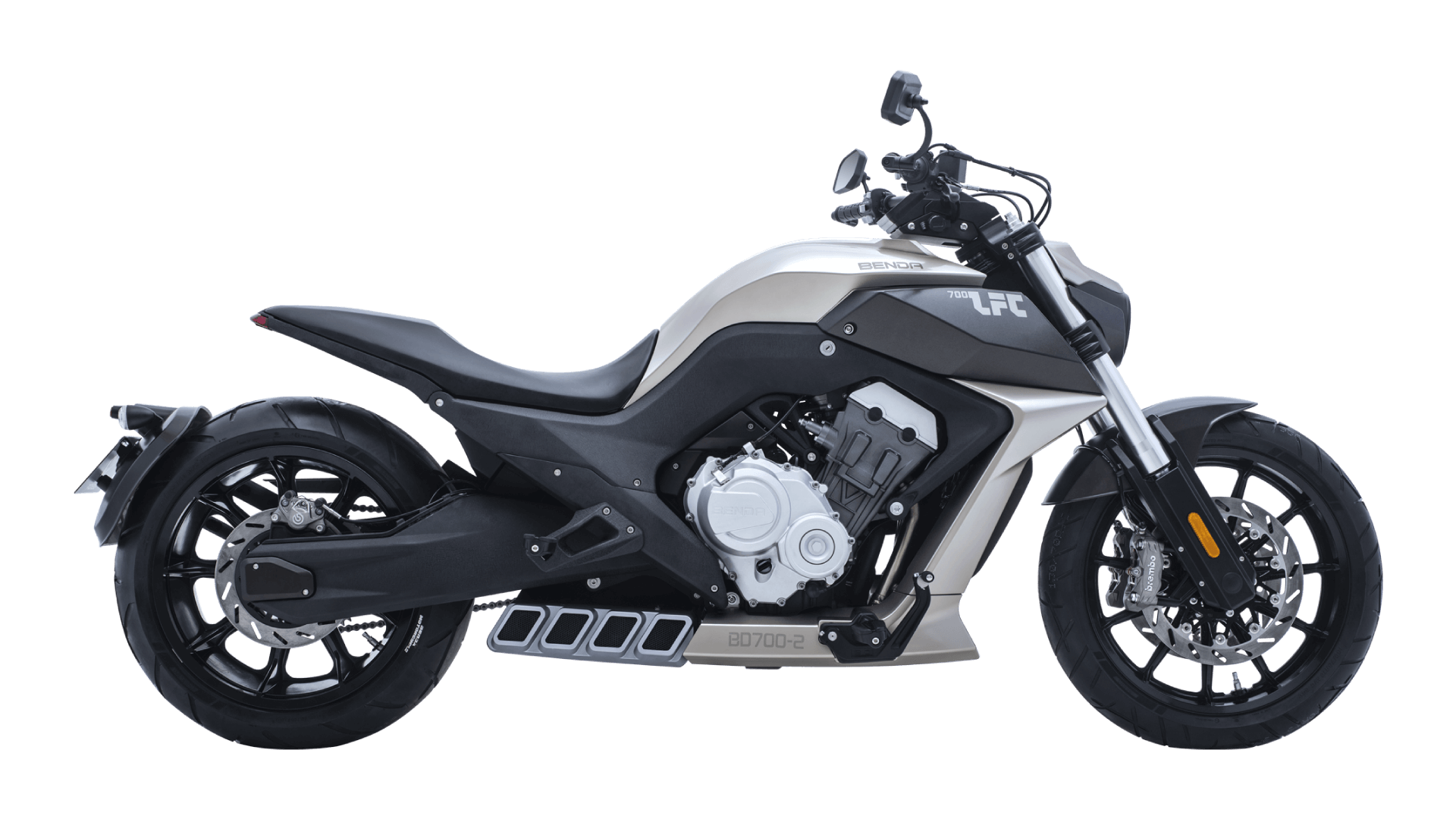
What’s Changing: Principles Behind the Next Wave
What’s Next
Forward-looking powertrains are shifting from blunt force to coordinated force. Variable intake tuning shapes low‑rpm pull without drama; multi‑map ride‑by‑wire blends response with load and gear; and smarter alternator control reduces lurch when accessories kick in. In some platforms, sub‑controllers manage clutch slip electronically to protect driveline parts while keeping take‑off smooth. A well-sorted motorcycle power cruiser now treats city heat as a design input, not an afterthought: targeted ducting, staged fan logic, and thermal mass that doesn’t punish the rider. If electrification enters the segment, expect refined inverters and regenerative braking tuned for corner entry, not just straight-line decel—different vibe, same goal: steady hands, steady chassis. The idea is simple—deliver repeatable feel across traffic, weather, and load—yet it calls for tight software, not more heft.
So what should you weigh up, given the hidden frictions we’ve unpacked? First, measure low‑speed smoothness: check if throttle openings under 5% remain linear, and if clutch assist avoids chatter. Second, monitor stability under electrical load: lights, heated grips, and GPS shouldn’t perturb idle or dash latency; the CAN bus and power converters must cope cleanly. Third, test heat and vibration by time, not distance: 20 minutes in traffic tells you more than a 2‑minute sprint. Put simply, sprint and stamina must coexist in one frame. The lesson so far is clear: we don’t need to give up drama; we need to engineer it so it feels calm when life isn’t. If you want a benchmark to study—specs, layout, and tuning balance—have a look at BENDA models as reference points, then test with your own commute in mind.