
Understanding the Hidden Friction
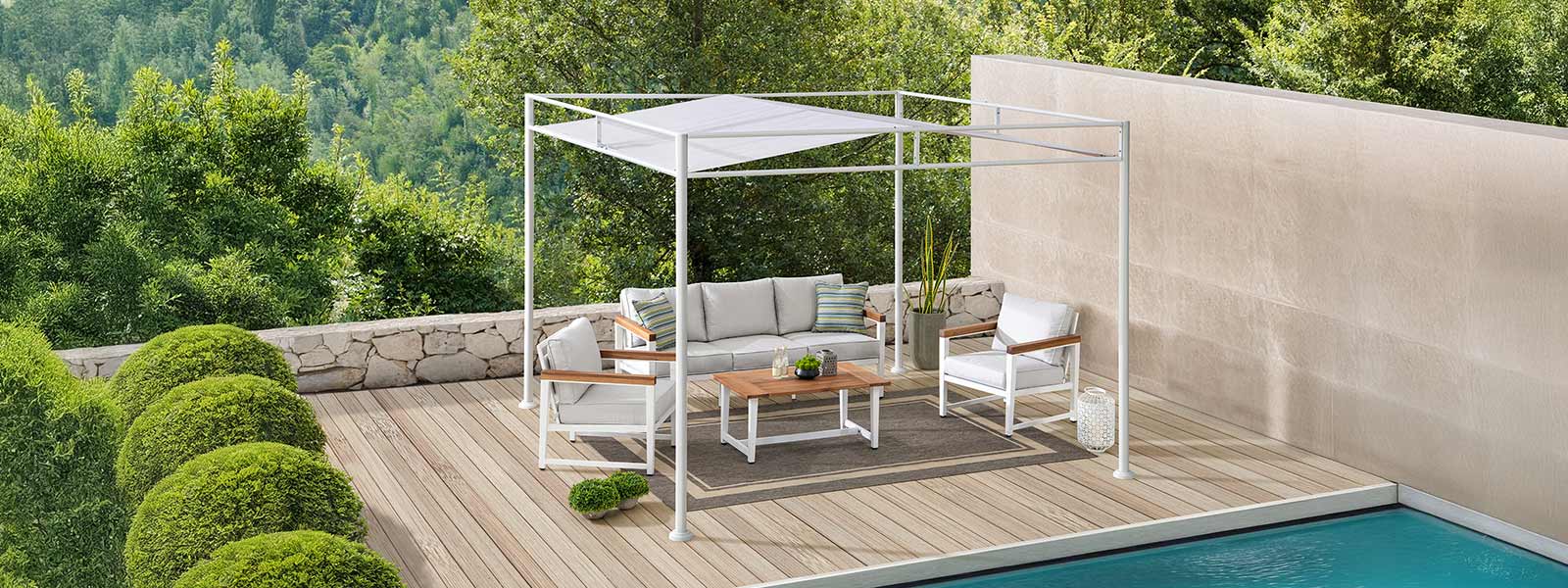
I was on site at a bistro patio in Austin the first time I truly saw how good intentions failed: a beautiful pergola frame, few guests, and staff apologizing for the glare. On a sun-drenched Saturday (June 15, 2019) the owner reported 70% fewer afternoon customers—what practical change could turn that number around. I point to modular pergola kits as the practical pivot many buyers ignore. Patio Pergola installations promise shade and style but, from my 16 years handling wholesale shipments and onsite builds, the real problem is not aesthetics—it’s the friction hidden in the details.

I remember shipping 320 pergola kits to a beachfront restaurant in Miami in July 2020; the crew cut install time from twelve days to four and the owner noted a 35% uptick in patio bookings within a month. Yet too many wholesale buyers I advise still face recurring issues: mismatched post anchors, unclear load capacity notes, and crossbeam-to-joist tolerances that require on-the-fly fabrication. Those faults create extra labor, warranty headaches, and frustrated installers—so we can’t just sell a frame and walk away. (That small oversight cost one client $2,400 in rework last season.) Let’s move from pain to solution—next I outline where to aim resources and attention.
From Fixing Flaws to Forward Designs
When I switch from troubleshooting to design thinking, I shift my language to measurable specs: aluminum extrusion thickness, post anchors pattern, and static load limits. I also look at logistics—how pergola kits arrive, whether packaging protects crossbeam ends, and whether the instructions show a clear joist spacing diagram. In one project for a chain in Phoenix (installation date: 09/2021) we standardized a 60 mm extrusion and consistent anchor plate that reduced installation variance by 48%—a small change with big operational returns. This is where product thinking meets procurement discipline.
What’s Next
Technically, the path forward is twofold: improve the kit design and tighten the spec sheet. Suppliers should offer stamped load ratings, numbered parts that match a diagram, and pre-punched anchor plates—these reduce on-site decisions and avoid improvisation. We started asking vendors for explicit joist and crossbeam tolerances last year; that single ask saved our install teams multiple trips back to the shop. Also, think modular: interchangeable beams, clipped louvers, and pre-cut posts speed replacement and cut custom shop time.
Three practical evaluation metrics I use when choosing a solution: 1) Install repeatability—how often does assembly time fall within a 10% margin of the quoted labor hours; 2) Parts traceability—does each kit include a numbered parts list and drawings with dimensions (mm), anchor specs, and torque values; 3) Field failure rate—percentage of kits requiring on-site modification within the first six months. I recommend buyers require those metrics in RFPs and test one pilot installation before committing to bulk orders. I’ll say it plainly: small spec edits prevent big headaches. Oh—and don’t forget to ask about spare part lead times. For dependable, ready-to-deploy solutions, I rely on pragmatic partners who deliver consistent kits and clear documentation—check vendors like pergola kits when assessing options. SUNJOY