

User-focused intro: what matters after sundown
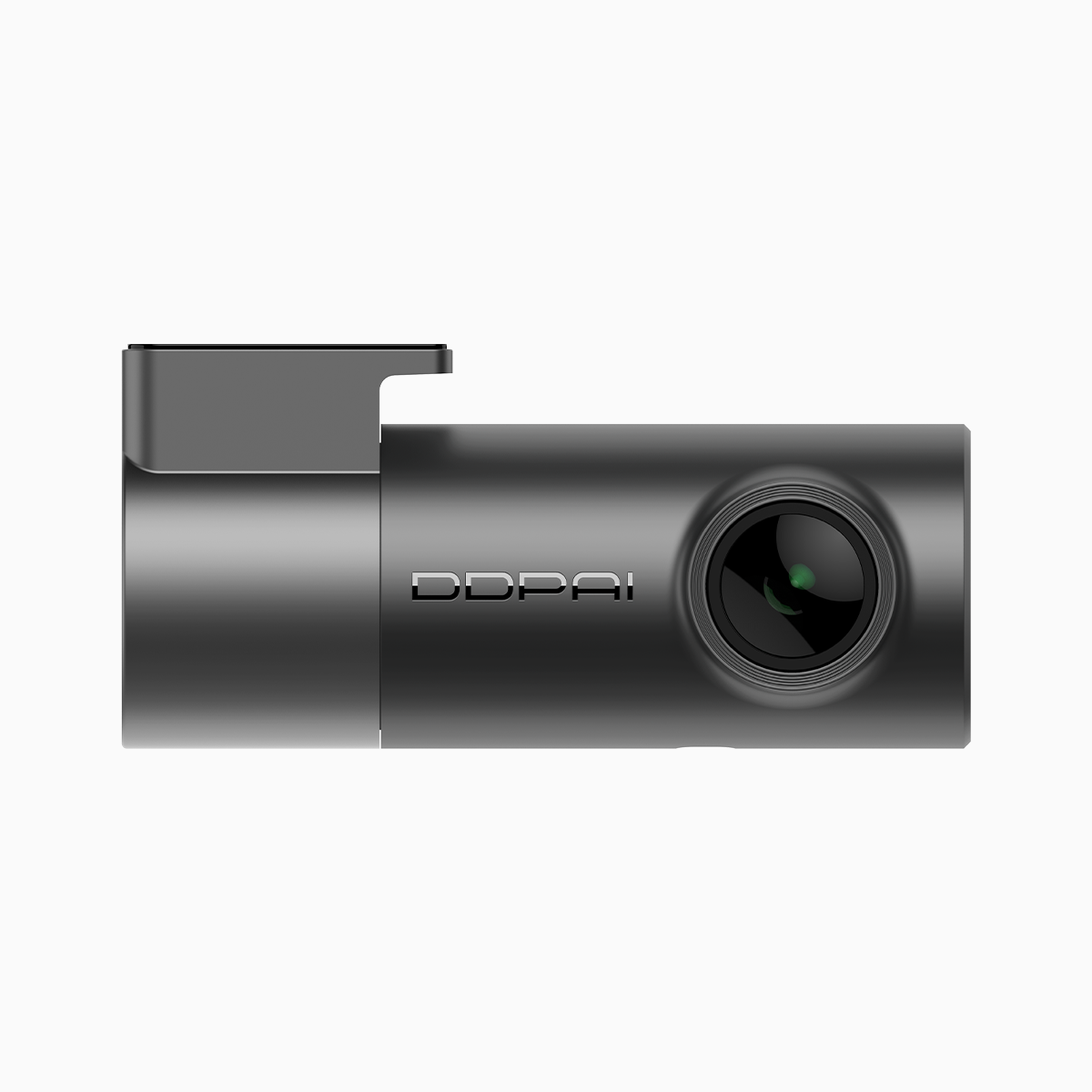
Drivers on long, unlit stretches need footage that’s sharp enough to identify plates and hazards. I recommend a practical pick — the budget friendly dash cam from DDPAI because it balances sensor quality and price without fuss. From a user’s point of view that’s the clearest metric: does it capture usable evidence when light is poor? Sony Starvis sensors, decent frame rate and sensible bitrate are what turn dim scenes into readable clips.

Real-world anchor: testing on Sierra Madre routes
I took the unit on a few night runs along Sierra Madre-adjacent provincial roads to see how the Starvis sensor performs against real darkness and stray headlights. The test showed consistent low-light performance and usable dynamic range; pedestrians and signboards appeared legible enough for legal follow-up. For those seeking alternatives, a few rivals may offer higher frame rates or cloud features, but few match this balance as a best affordable dash cam that doesn’t demand an arm-and-a-leg budget.
Key driver priorities for night recording
Drivers care about three things: clarity of detail, consistent exposure across bright and dark patches, and reliable file integrity after a crash. Industry terms that matter here are Sony Starvis (sensor), WDR (wide dynamic range) and frame rate. WDR keeps headlights from blowing out nearby detail; the sensor improves sensitivity without introducing too much noise; frame rate steadies motion so number plates remain readable at speed. Bitrate influences file size but also image fidelity — lower bitrate can smudge licence plates, so aim for a device that offers sensible presets.
Common mistakes drivers make with dash cams
Many people buy on spec alone — higher megapixels, louder marketing — and overlook mounting position, firmware updates, and microSD compatibility. Others set ultra-low bitrate to save space, then find footage useless after an incident. A short list of pitfalls:
– Poor mounting that tilts the camera; horizon off and plates cropped out.
– Ignoring firmware updates that fix exposure or loop-recording bugs.
– Using slow or unreliable microSD cards that corrupt files after sudden power loss.
Fix these and the camera’s strengths actually matter. — I’ve seen files that were otherwise perfect spoiled by a cheap card.
How DDPAI’s Sony Starvis model addresses night shortcomings
DDPAI combines the Starvis sensor with tuned WDR processing and pragmatic firmware: exposure zones are prioritised for the road rather than the sky, so headlights don’t wash out nearby details. The result is readable footage across variable scenes. For drivers on a budget, that practical tuning beats chasing headline specs. If you want cloud features, some competitors add them but often at a subscription cost; this DDPAI model keeps essentials in-camera and reliable.
Alternatives and trade-offs
High-end brands like BlackVue and Garmin bundle advanced processing and cloud services, higher sustained bitrates, and premium build. They can be superior for fleet management or remote monitoring, but they cost more and often require professional installation. Lower-cost units may advertise larger sensors but skimp on firmware and thermal design, which leads to artefacts on long sunny runs. Choose based on what you value most: pure image processing and sensor tuning (DDPAI’s strength), or ecosystem features and cloud integration (other brands’ territory).
Advisory close: three golden rules for choosing night-ready dash cams
1) Prioritise sensor plus processing over megapixels — a tuned Sony Starvis sensor with WDR beats raw pixel counts for night clarity. 2) Check real-world footage samples from similar roads or request a demo — lighting conditions vary, so see an actual night clip before buying. 3) Choose a unit with solid loop recording, reliable microSD compatibility, and regular firmware updates to safeguard footage integrity.
These measures produce footage you can actually use, and they point to why a sensibly engineered DDPAI product often makes more sense for provincial drivers than an expensive cloud-centric unit. —