
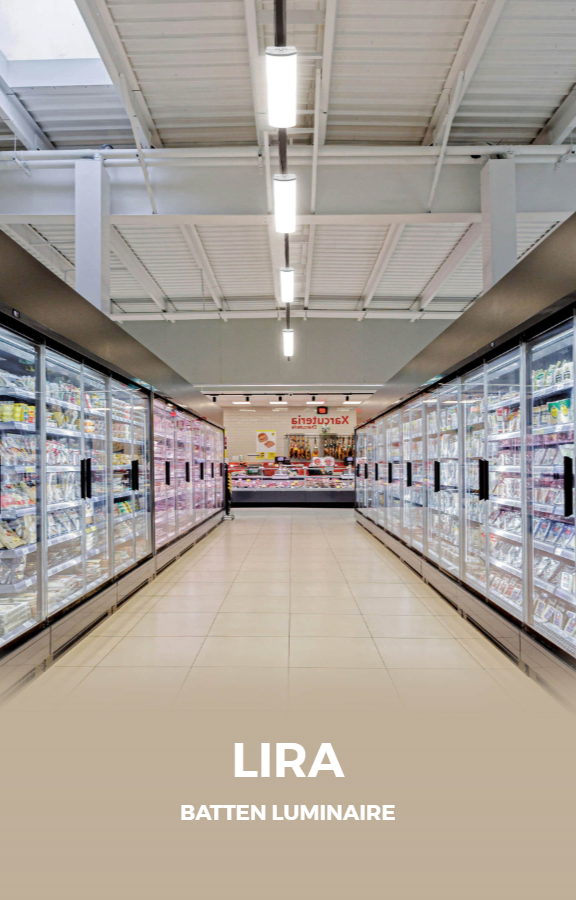
Straight answer for your space — a user-first view
You want simple: a slim fixture that follows the room’s needs, not the other way around. A linear track light is a rail-based lighting system that holds and powers multiple modular heads or strip modules so you can move, aim, and change output without rewiring. For many users the easiest win is a lighting refurbishment that converts old recessed cans or fluorescent rows into adjustable, efficient runs that finally match how people use the space.
Why people pick linear track lights — practical benefits
Think of the track as a flexible backbone. Users like them because they:- concentrate light where tasks happen,- reduce glare by angling heads,- simplify future layout changes,- allow mixed optics and color temps on one run.They’re popular in retail aisles, open-plan offices, galleries, and modern kitchens — places where adaptiveness matters. Ja, they give control without complicated wiring changes.
What to check before you buy — user checklist
Make decisions by needs, not buzzwords. Check these items:- Lumen output per foot and per head (does it meet task-level lux?),- Color rendering (CRI 90+ for retail or artwork),- Mounting type and track compatibility (single-circuit vs multi-circuit),- Dimming method (triac, 0–10V, DALI) and driver location,- Thermal management and IP rating for kitchens or damp areas,- Warranty and serviceability of the LED modules.If you care about retrofit simplicity, confirm the module’s plug style and replacement ease. For many projects, swapping to a certified led module lighting system reduces downtime and keeps performance predictable.
Common user mistakes and how to avoid them
People often choose by appearance, then discover poor performance. Avoid:- underestimating lumen needs (too dim for tasks),- ignoring beam spread (spot vs wash matters),- buying non-serviceable modules (throwaway fixtures cause headaches),- assuming all tracks are interchangeable (they aren’t).Measure the space, mock up with a single run, and test color temperature before full installation. That small trial saves money and staff frustration.
Real-world validation from industry practice
At Light + Building in Frankfurt, designers and manufacturers demonstrated modular systems that clarify how interchangeability and serviceability actually work on-site. From projects I’ve overseen over a decade of commercial retrofits, the systems that lasted were those with documented module specs, replaceable drivers, and clear dimming compatibility. That practical track record matters more than marketing claims.
How linear track compares to common alternatives
Short comparisons, user-focused:- Recessed linear fixtures: clean look, less flexible after installation.- Pendant linear fixtures: great for task light and design, limited aiming.- Strip LEDs (surface mounted): low cost, lower optical control.Pick a track when you expect layout changes, need directional control, or want layered lighting from a single run.
Simple project plan for a reliable outcome
Follow these steps and keep the project calm:- map tasks and desired lux,- pick modules with documented lumen maintenance and CRI,- choose a compatible track and confirm wiring scheme,- prototype one run, verify dimming and color, then scale.If maintenance speed and future-proofing matter, choose modules that are serviceable rather than sealed for life.
Final thoughts
People choose linear track lights because they solve common space problems quickly: targeted light, reconfigurable layouts, and straightforward maintenance. With clear specs, a short prototype, and attention to module serviceability you get predictable results — just the kind of practical reliability companies like trieco design for when they engineer retrofit solutions.