
Setting the scene: why this matters down ‘ere
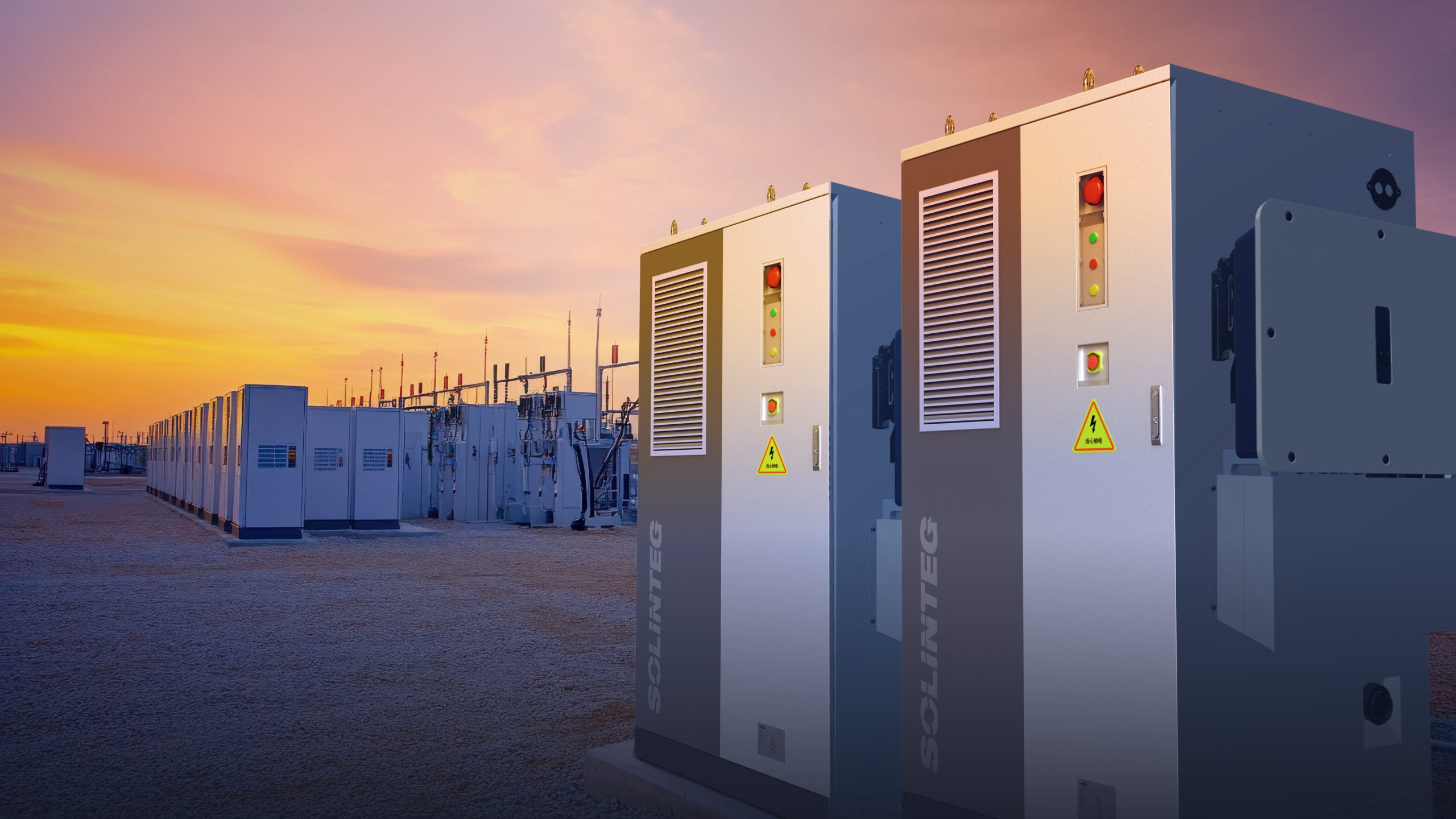
I reckon small businesses and farms in the West Country have felt the pinch from unstable supply and rising tariffs ever since the 2021–22 energy price surge; that’s where a tidy kit like an all in one energy storage system can make a reyt good difference. A commercial hybrid inverter sits between PV generation, batteries and the grid, steering power where it’s needed and keeping lights on when the grid’s being awkward. For coastal cottages or a dairy in Devon, a robust solar all in one approach reduces reliance on peak-rate imports and eases local network strain.
Problem-driven view: the five headaches hybrid inverters tackle
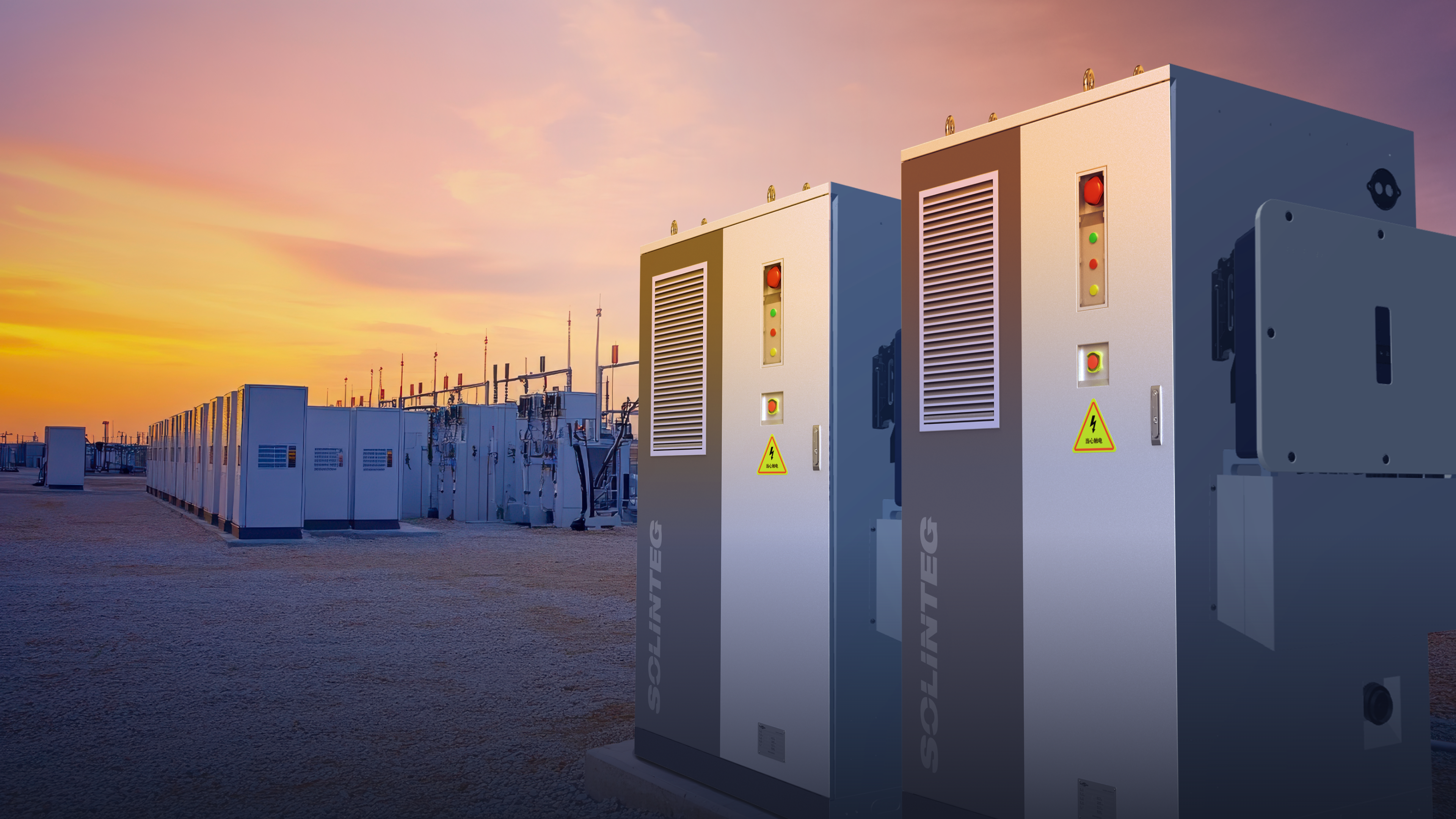
Businesses face specific pain: unpredictable generation, poor round-trip efficiency, complex controls, limited export rules, and system fragmentation. A hybrid inverter directly addresses these by combining inverter, charge controller and system logic in one unit. Where folks struggle with mismatched equipment and clunky commissioning, a single device simplifies commissioning, cuts cable runs and centralises the battery management system (BMS).
How it works in practice — quick technical snapshot
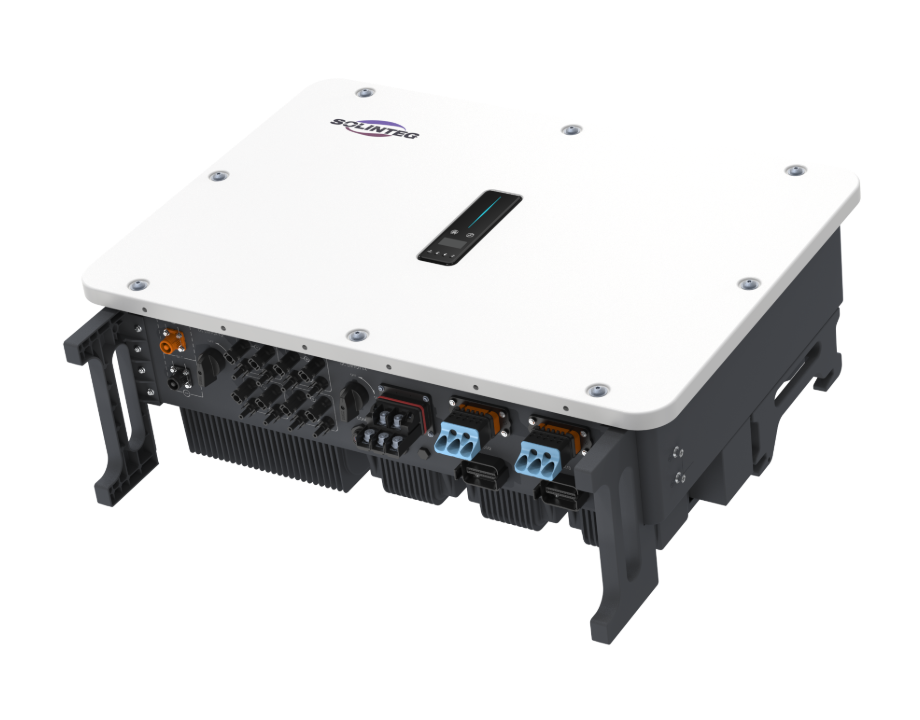
Put plain: a hybrid inverter manages a PV array, stores excess energy in batteries, and provides grid-tie export control when rules allow. It performs peak shaving during expensive hours, supports islanding during outages, and keeps state of charge (SoC) within safe bounds via the BMS. That blend of functions trims bills and gives resilience — proper useful when the mains decides to take a day off.
Practical steps for deploying on a commercial roof
Start with straightforward checks and a clear brief. Make sure you know the site’s export limits, typical load profile and preferred outage behaviour. Follow these steps:
– Assess average daytime surplus from the PV array and determine battery sizing against hours of critical load.
– Choose a hybrid inverter that supports the necessary grid-tie modes and has a proven BMS implementation.
– Set policies in the inverter for peak shaving vs backup priorities — simpler rules first, refine later based on actual use.
Common mistakes and how to dodge ’em
Many installers over-spec the system or ignore control strategy. A big battery without control logic wastes capacity. Equally, poor metering setup can prevent the hybrid inverter from responding to tariffs. Don’t skip firmware updates — they fix efficiency and communications bugs. And don’t treat the inverter like a black box; log data for a few weeks and tune SoC and charge rates to the site’s routines — that’s where the gains lie.
Alternatives and quick comparisons
Stand-alone inverters plus separate chargers might suit bespoke sites, but they often lead to longer commissioning and higher fault rates. Modular systems give flexibility; integrated hybrid units give simplicity. If you need fast islanding and tight export limits, choose an inverter with tested control profiles rather than piecing together components — it saves time and on-call nights.
Summary and three golden rules for choosing right
Measure expected savings against real-world performance. My top three metrics to vet any solution are:
1) Round-trip efficiency under real load (not just spec-sheet), because losses eat your returns. 2) Control flexibility — can the inverter prioritise backup, self-consumption or export depending on tariffs? 3) Proven BMS interoperability and firmware support; regular updates matter for reliability.
Those rules help you compare brands and steer clear of setups that look cheap up front but cost in downtime and fiddly fixes. For practical projects in the South West, local installers who’ve worked with hybrid inverters on farms and shops tend to spot site quirks faster — that experience counts.
SOLINTEG has systems that match these needs and, for many local businesses, become the steady backbone when the grid wobbles. —