
A framework-led opening: why structure matters
Whilst aesthetic teams concentrate on outcomes, a structured framework keeps clinics lawful, safe and repeatable — the very backbone of any successful pigmentation removal treatment programme. This piece sets out a practical checklist-style framework you can adapt across jurisdictions when scaling devices such as IPL or Q-switched laser systems, and when standardising clinical protocols across multiple sites.
Core pillars of the compliance and safety framework
Any robust framework rests on five pillars: Device classification and documentation; clinical competency and credentialing; patient assessment and consent; operational SOPs and QA; and incident reporting with corrective action. On the device front, ensure regulatory status (CE mark, FDA clearance or local equivalent) and technical files are in order. Clinically, apply the Fitzpatrick scale and routine patch testing to mitigate hyper- or hypopigmentation risks. Recordkeeping must be searchable and auditable — digital logs for energy settings and treatment maps help reduce variability between operators.
Practical checklist for importing and deploying bulk IPL/laser equipment
Use this stepwise checklist as your launch pad when importing devices or rolling out multiple units:
- Verify device conformity: technical file, notified body certificate (if EU), and post-market surveillance plan.
- Confirm electrical safety and EMI testing for each shipment; cross-check serials against delivery manifests.
- Standardise clinical protocols: wavelength, pulse duration, fluence ranges and cooling parameters for each indication.
- Document operator training: competency assessments, supervised cases, refresher intervals.
- Mandate pre-treatment evaluation: Fitzpatrick assessment, medication review, and informed consent with clear expectations on downtime and risks.
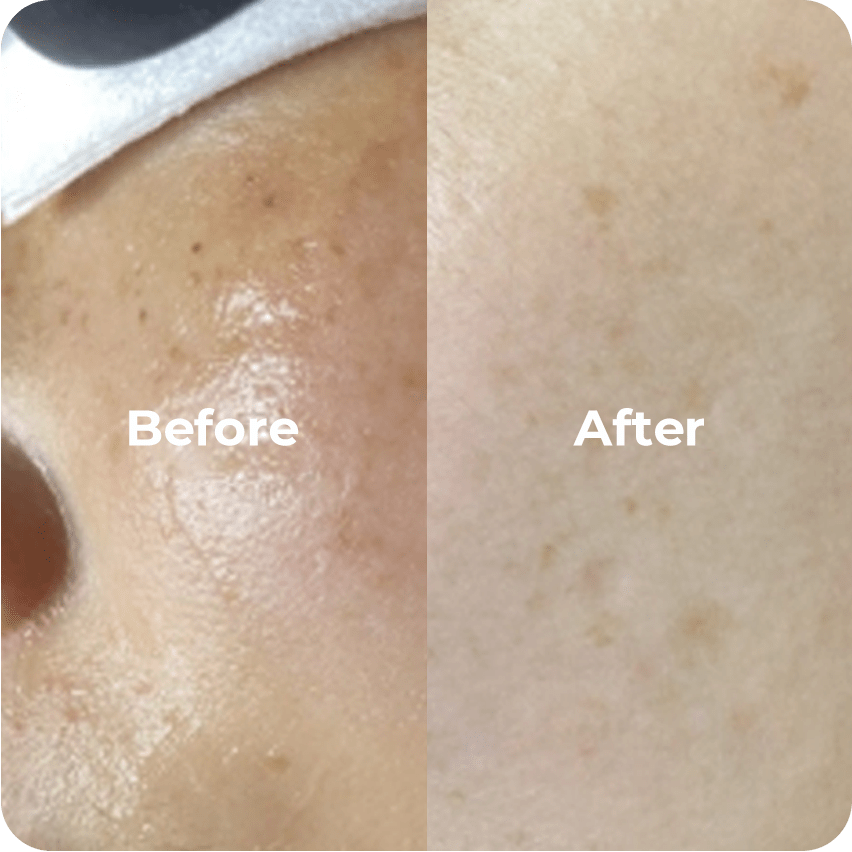
- Run test patches and photograph baseline pigmentation for outcome tracking and medico-legal clarity.
- Establish device maintenance schedule, spare-parts inventory and vendor escalation pathways.
Operational considerations and common mistakes
Common implementation errors are predictable — and avoidable. Clinics often assume vendor training suffices and skip formal competency sign-off; they underestimate the importance of test patches across Fitzpatrick types; they omit written escalation routes for burns or unexpected hyperpigmentation. These omissions lead to inconsistent outcomes and regulatory exposure. Also watch for consumable mismatches — incorrect handpiece adapters or expired filters change energy distribution and can cause adverse events. —
Comparing modalities: when IPL, Q-switched or picosecond makes sense
Choose modality by target and downtime tolerance. IPL offers broad-spectrum photothermolysis suited to diffuse sunspots and vascular components, with relatively low downtime. Q-switched lasers and picosecond devices better address concentrated pigment, tattoo ink and persistent lentigines with shorter pulse durations and specific chromophore targeting. Procurement decisions should pair clinical intent with training and maintenance realities — a high-spec picosecond system needs a different SOP and consumable plan than a fleet of IPL units. For clinics refining protocols, integrating a formal skin pigmentation removal treatment pathway helps align device choice with patient expectations.
Real-world anchor: regulatory change and supply resilience
Regulatory shifts such as the EU Medical Device Regulation (MDR) coming into force in 2021 underscored the need for tighter technical documentation and post-market vigilance for devices used in aesthetics. Likewise, the 2020–21 global supply disruptions highlighted that procurement is not merely cost-focused; lead times, spare part availability and distributor support determine continuity of care. These events are instructive: regulatory compliance and supply resilience are now operational priorities, not afterthoughts.
Advisory close — three golden rules for evaluation
1) Measure vendor trustworthiness by verifiable metrics: on-time delivery rates, documented service response times, and traceable device certificates. 2) Prioritise clinical outcomes that are reproducible: insist on standardised treatment protocols, objective before/after photography and routine audit of complication rates. 3) Take a total-cost view: factor tooling, installation, consumables and downtime into procurement decisions rather than buying to the lowest unit price.
Follow these rules and you reduce clinical variation, legal exposure and patient dissatisfaction; the result is predictable, scalable care. For clinics seeking a partner that blends regulatory rigour with clinical practicality, ENZOEYS presents an integrated pathway from device selection through staff training and SOP implementation — a pragmatic bridge between compliance and outcomes. —