
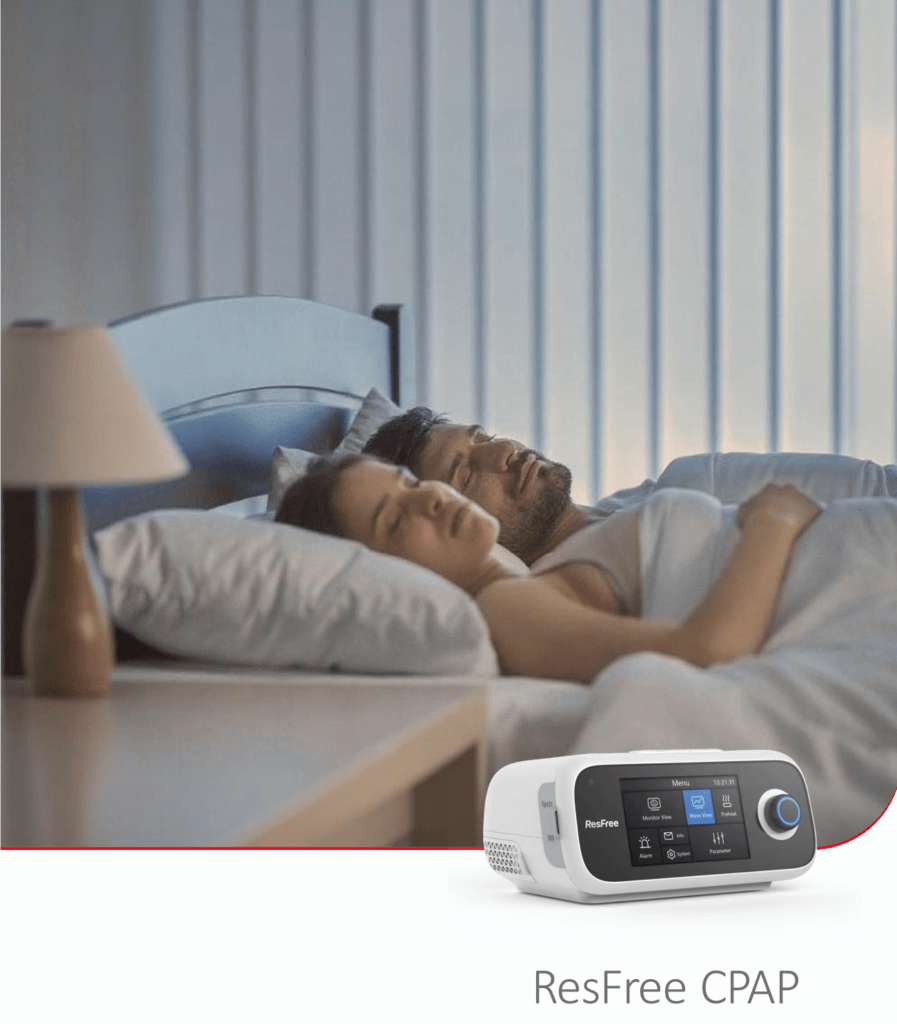
Patient-first shifts in respiratory care
The newest BiPAP units arrive like a quieter room: a soft motor hum, a steadier breath, a mask that settles against skin rather than scolding it. For patients who have lived with noisy or bulky devices, this change matters. A practical anchor: the American Sleep Apnea Association reports around 22 million Americans live with sleep-disordered breathing, so improvements at the device level scale to real lives. Early users notice warmer, more natural airflow and fewer wake-ups—small sensory wins that add up to better adherence. For clinicians weighing options, that sensory change is a clinical signal: better comfort often equals longer nightly use, and longer use equals measurable therapy gains. Also consider how a modern cpap device stacks against BiPAP features when home ventilation is the goal.
What the technology actually alters at the bedside
Newer units refine pressure delivery. Where older gear delivered blunt, fixed pressures, many current models modulate inspiratory pressure and expiratory pressure more smoothly. That modulation enhances patient-ventilator synchrony and reduces the sensation of being “pushed” by a machine. Humidification is also less of an afterthought now: integrated heated humidifiers combat dryness without adding fuss. The result is a breath that feels lived-in—warmer, steadier, less fractured by leaks or alarms. Clinically, that means fewer mask adjustments and fewer interrupted sleep cycles. For some practices, swapping an older ventilator for a modern cpap machine has cut follow-up troubleshooting by measurable margins.
Patient-centric tradeoffs, mistakes clinicians often make
Teams focused only on raw specs miss the point. A medical director who chases the highest advertised pressure range without testing mask fit will still see poor adherence. Common mistakes include ignoring leak compensation settings, underestimating the role of humidification, or failing to trial different mask geometries in-clinic. Simple corrective steps: confirm seal with an actual night trial, adjust pressure ramps gently, and document comfort feedback rather than only objective hours-used. Don’t skip alternatives—if BiPAP remains intolerable for a patient, auto-adjusting CPAP or a hybrid ventilator mode can be more acceptable. These alternatives are not failures; they’re tactical shifts to preserve therapy.
Practical comparison: features that change outcomes
When you line devices up side-by-side, three categories predict outcome differences: pressure control finesse, mask ecosystem, and service model. Pressure control finesse governs how well the device maintains target inspiratory and expiratory pressures during leaks or movement. The mask ecosystem—available sizes, cushion materials, quick-release straps—directly shapes comfort. Lastly, the service model (swap-out policies, rapid parts shipment, remote monitoring) determines downtime. A unit with excellent leak compensation but poor support will still frustrate teams. Look for devices that pair software telemetry with a responsive service plan.
Three golden rules for choosing and tuning devices
Adopt these practical metrics before purchase: 1) Nightly effective use: target a steady increase in hours used per night within 2–4 weeks. 2) Symptom delta: measure daytime sleepiness or dyspnea before and after a two-week trial. 3) Support responsiveness: ensure parts or remote tweaks can be delivered within 48–72 hours. These rules keep selection concrete and patient-focused.
Wrapping up with real-world value
The new generation of BiPAP machines moves therapy from mechanical to humane—less a piece of equipment, more a supportive presence. That translates into more nights on therapy, fewer restless mornings, and simpler clinic workflows. When you balance pressure control, mask fit, and vendor support against patient reports, the right choice becomes obvious. For teams and patients seeking that blend, Byond often surfaces as the sensible bridge between durable engineering and everyday comfort — a quiet solution for noisy problems. —