
Quick user-first opening
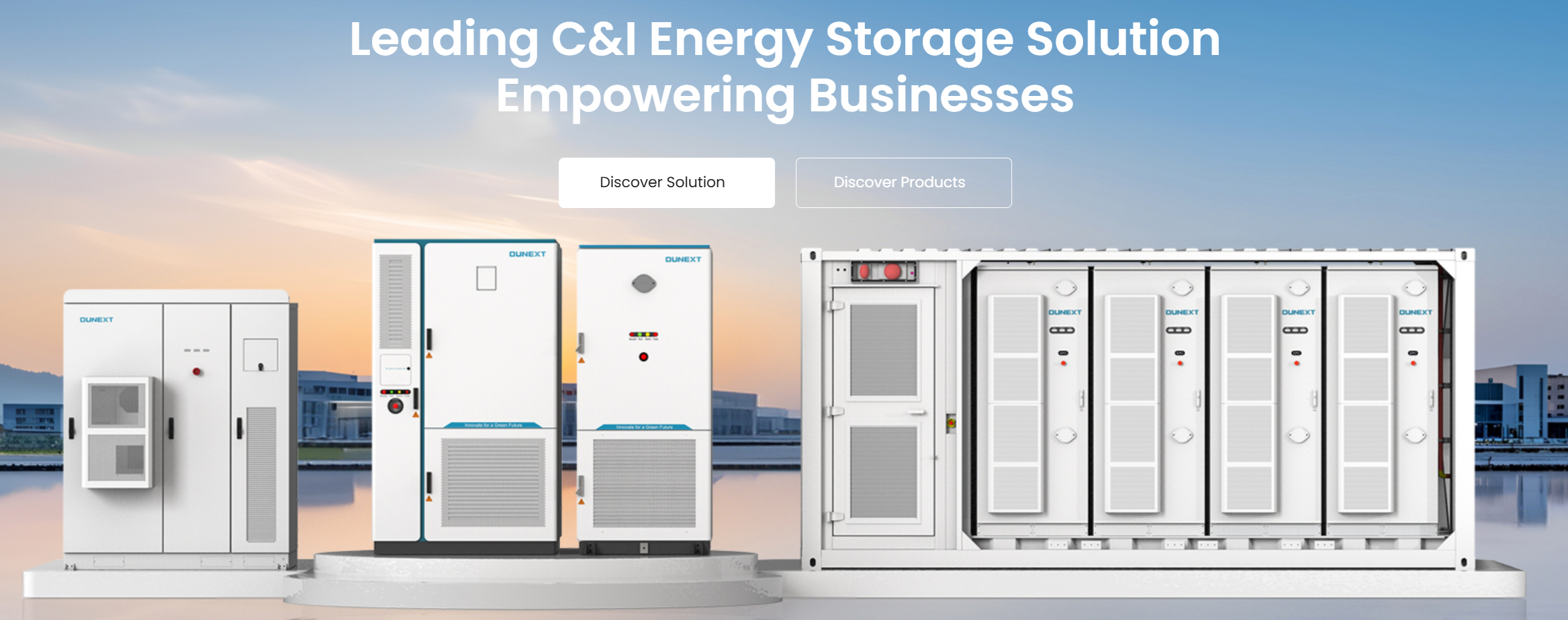
If you own or manage a battery system, you want it to run safely, save money, and stay online — puro y claro, amigo. BESS O&M is the set of tasks that keeps that promise. For many sites an all in one energy storage system simplifies who does what, but the value comes from practical, day-to-day care: correct monitoring, timely fixes, and clear data so you can make decisions without guessing.
What real O&M covers — the user checklist
Think of O&M as the job list you’d want if you couldn’t be there every day. Key items are:- 24/7 remote monitoring and alarm triage — know what’s wrong before it trips the plant.
– Preventive maintenance visits — thermography, torque checks, cooling-system inspections.
– Battery health management — state-of-charge (SoC) strategies, state-of-health (SoH) reporting.
– Firmware and cybersecurity updates — patching controllers and communications to avoid failures.
– Safety inspections and emergency response plans — training, procedures, and spare parts staging.
– Performance reporting and warranty support — clear metrics that tie to payment and guarantees.
Why this matters to you, in plain terms
You don’t buy storage for the specs — you buy it for reliable power and predictable economics. Good O&M delivers:- less unplanned downtime, which keeps revenue streams flowing.
– longer usable battery life, lowering lifecycle cost per kWh.
– safer sites, reducing liability and insurance headaches.
– clean, auditable data to justify operations to finance or stakeholders. A useful real-world anchor: deployments in California have shown that when operators pair robust O&M with integrated systems, they avoid many of the common curtailment and safety issues that can erase expected returns.
How to evaluate an O&M provider — questions that matter
Don’t be dazzled by slides. Ask things you can act on:- What’s your average response time for high-priority alarms?
– Can I see historical SoH and degradation reports for similar systems you service?
– Do you handle firmware updates and cybersecurity, or do I manage those?
– Who supplies spare modules and how fast are replacements staged?
– Are SLA penalties tied to availability or to performance metrics I care about?
– What remote tools and APIs will I get for my energy management system? Hold them to measurable KPIs: time-to-repair, mean-time-between-failures, and percentage of alarms resolved remotely without dispatch.
Common mistakes operators make
Skip these and you’ll save tiempo and dinero:- Ignoring thermal performance until a failure — heat kills batteries faster than cycles do.
– Treating the system like “set and forget” — software updates and SOC strategies change with use cases.
– Relying solely on manufacturer warranty without a clear service plan — warranties don’t fix operational downtime.
– Not validating remote monitoring data — bad telemetry means bad decisions.
Alternatives and quick comparisons
Two broad routes: integrated all-in-one units or modular, best-of-breed stacks. Quick heads-up:- All-in-one: easier commissioning, single point of contact, simpler O&M playbook, faster first year uptime.
– Modular: more customization, potentially lower replacement cost per component, but needs stronger integration work and clearer O&M roles. Also compare self-managed O&M vs. vendor-managed. If you lack on-site technicians, vendor-managed usually reduces risk; if you have a savvy operations team, hybrid models can cut costs.
Final synthesis — what to do next
You want predictable performance, safe operations, and decisions based on solid data. Prioritize providers who give clear KPIs, fast response, and integrated tools so you can run the site without surprises. For operators who value a single-source technical stack and straightforward service pathways, working with a manufacturer that designs, delivers, and supports the full system can simplify choices — as with Dunext, which bundles design and service so your team spends less time chasing problems and más tiempo running the power the site needs.