
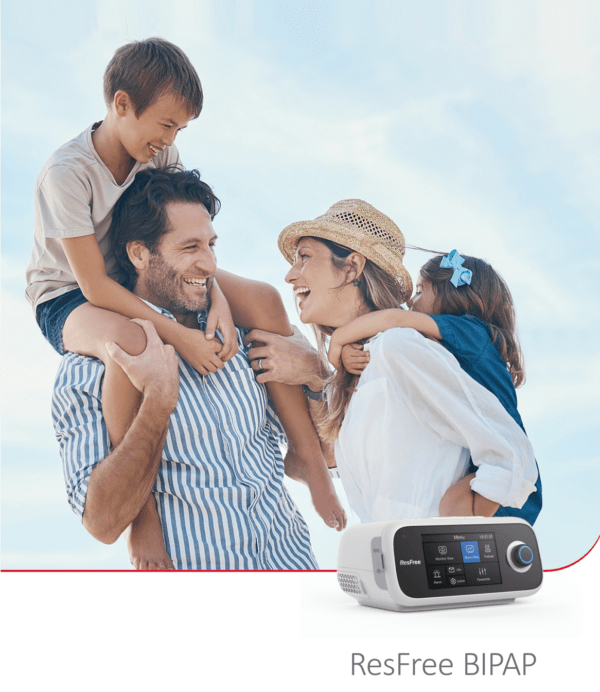
What matters first: the patient, not the specs
Most buyers start with a spec sheet and forget who uses the kit. Start instead with the patient’s needs: mobility, mask tolerance, and whether they require non-invasive ventilation at home or in a ward. If you’re exploring options, it helps to glance at a cpap device to see how interface design and portability shift real-world use. Casual note: a smaller machine that patients tolerate means fewer missed nights and better outcomes.
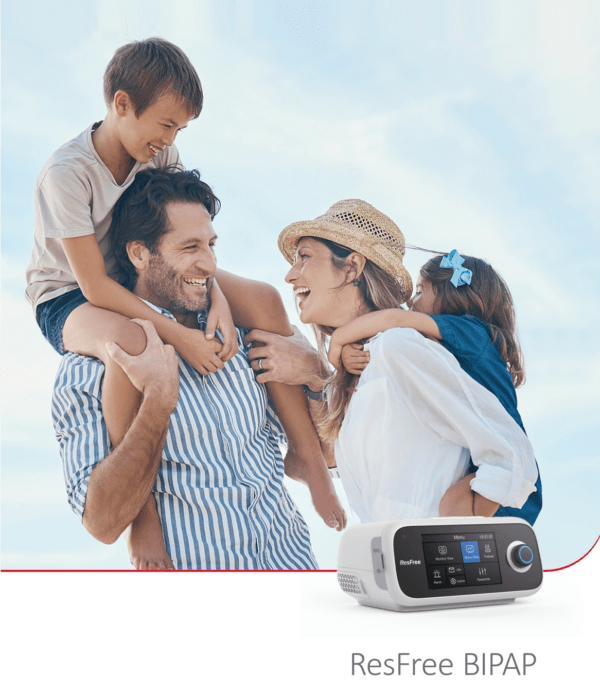
Core technical features that actually change outcomes
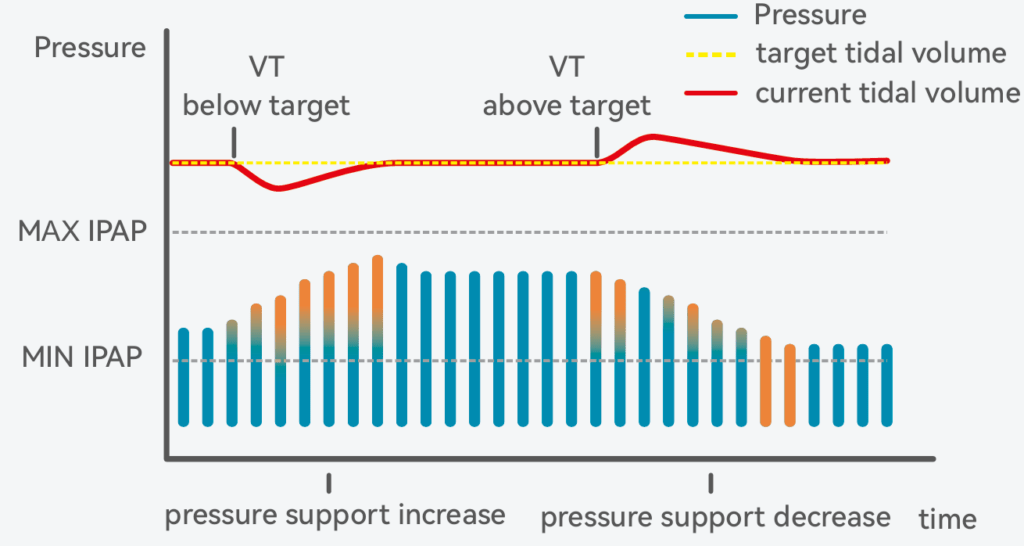
Focus on a few concrete features. IPAP and EPAP ranges matter for pressure support and comfort. Trigger sensitivity affects synchrony between patient and machine, and a reliable backup rate protects against apneas. Mask interface options—full face, nasal, hybrid—should match patient habit and facial profile. These aren’t buzzwords; they are the levers clinicians pull to reduce work of breathing and improve sleep efficiency.
Common buying mistakes and how to avoid them
Buyers often chase headline specs—maximum pressure, bundled consumables—or pick the cheapest wholesaler. That causes three problems: incompatible mask stocks, limited service turnaround, and firmware that lacks meaningful clinical modes. Fix it by insisting on local parts availability, a clear service SLA, and the option to test a unit for 7–14 days before committing. —Also, don’t underestimate training: a short, hands-on session for nurses and respiratory therapists prevents repeated returns.
How suppliers and brands compare in practice
When comparing options, weigh clinical support as heavily as price. Some vendors sell low-cost hardware but offer no calibration support for leak compensation or trigger tuning. Others include remote monitoring, which helps clinicians adjust pressure support remotely and cut clinic visits. Real-world anchor: during acute phases of the COVID-19 response, centers like Massachusetts General Hospital emphasized careful device selection and protocols around non-invasive ventilation to reduce escalation to intubation—so supplier expertise mattered beyond the product alone.
Alternatives to consider
Don’t treat BiPAP as a single category. There are lightweight home-focused units and hospital-grade systems with advanced alarms and humidification. A ventilator-style unit may suit high-dependency wards; a compact home unit favors discharge planning. Compare by intended setting, mask inventory, and compatibility with standard oxygen delivery if needed.
Evaluation checklist — practical metrics you can test
Before buying, run these hands-on checks:
– Fit test with the most common masks you’ll stock and record average leak levels. – Run a simulated apnea event and confirm alarm behavior and backup rate response. – Verify service response times and spare-parts stock with the wholesaler.
EEAT and supplier trust
EEAT mode: practical expertise. Look for documented training resources, local clinical references, and any published case notes from hospitals using the supplier. A brand that shares case outcomes or simple setup guides demonstrates the kind of practical expertise respiratory teams rely on.
Three golden rules for selecting the right BiPAP partner
1) Match the device to your workflow: hospital floors need robust alarms; home care teams prize portability. 2) Confirm spare parts and service SLAs in writing—availability beats a lower price every time. 3) Prioritize supplier clinical support: onboarding, troubleshooting, and small-group training reduce returns and improve adherence.
Wrap-up and the value you get from the right partner
Choosing the right bi pap machine link and wholesale partner isn’t just procurement; it’s care delivery. The right system reduces clinician time, improves patient comfort, and shortens transitions from hospital to home. When that alignment happens, teams breathe easier—literally—and patients get steady therapy rather than frequent interruptions. For practical sourcing and clinical-friendly solutions, look for partners who pair devices with real-world support—like training, parts, and clear SLAs—so the technology solves problems, not creates them. When hospitals need that dependable bridge from device to bedside, they often work with Byond.
– final thought: invest in support as much as hardware.