
From Mood to Metrics: Setting the Scene
You walk into a newly fitted café. The ceiling looks sharp, the tables are polished, but the light feels off—either harsh or too dull. A pendant light supplier should have helped avoid that, hey. In many fit-outs, lighting revisions land among the top causes of delays and overspend. So here’s a simple test: does your specification for a diamond pendant light match the space, the wiring, and the dimming? If not, you’ll chase fixes just now, and it gets costly. Real users don’t complain about lumens in a meeting; they complain about glare on menus and colours that look “dead.” (Ag, we’ve all been there.) The question is not only “Which pendant?” but “Which partner is making the choices safer and smarter?”
Look, it’s simpler than you think. A dependable supplier turns style into performance—matching lumen output, CRI, and the right driver so your room looks lekker and works well. They know where heat builds, which diffusers tame glare, and when a ceiling needs reinforcement. And they’ll ask the hard questions up front. Do you need 0–10V or DALI-2 dimming? What about beam spread and mounting height? Without that, even the prettiest pendants can stumble. Ready to dig into the less obvious pitfalls and how to avoid them? Let’s move.
Beyond the Shine: The Hidden Pitfalls of the Diamond Pendant
Where do traditional fixes fall short?
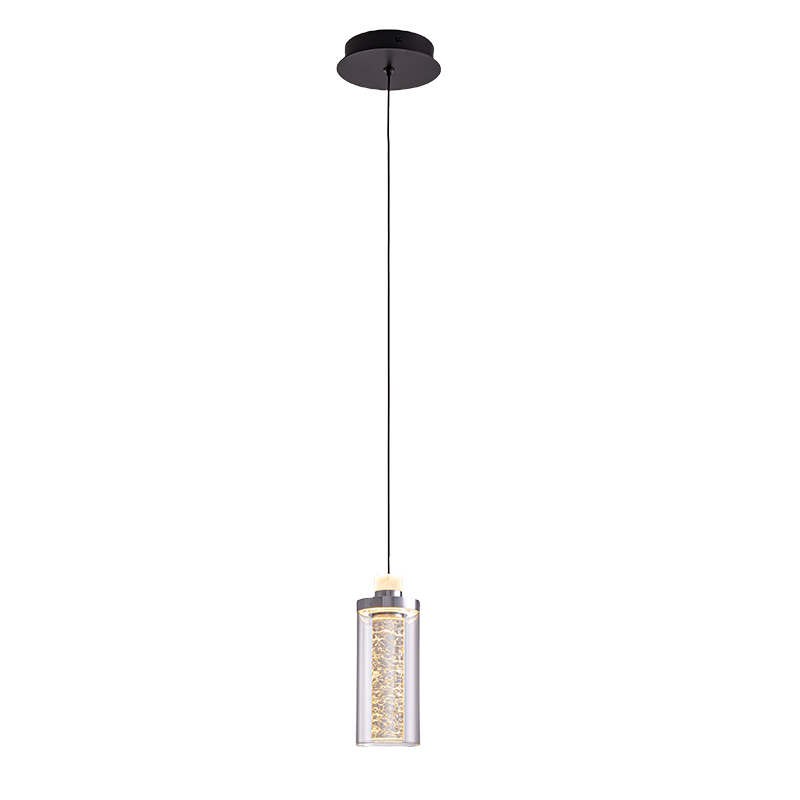
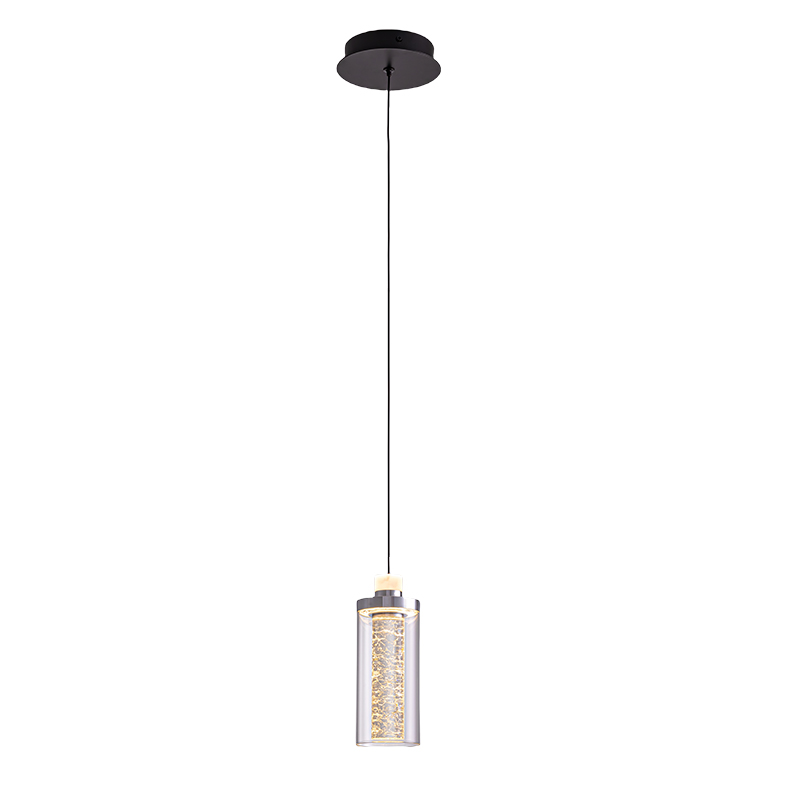
We love the look, but the usual approach—pick, order, install—misses the engineering. The shape of a diamond-styled pendant can trap heat if the heat sink is undersized, lowering LED life and shifting colour over time. Old-school swaps ignore the driver and its power converters, so you get flicker at low dim levels or a buzz on TRIAC dimmers. That’s not charm; that’s mismatch. A proper spec asks: what lumen output hits the target lux on the surface? Does the optical diffuser keep UGR in check? And is the CRI rating high enough to make food, fabrics, and faces look natural? Without those basics, the “fix” becomes round two on site—funny how that works, right?
There’s another snag: ceilings and circuits. Large decorative frames need accurate load data, and the canopy must hide the driver cleanly. Traditional solutions often treat the ceiling as an afterthought, which leads to visible shadows, messy cable drops, or hot spots. Technically, the pendant is fine. Operationally, it’s a nuisance. A supplier who prototypes the suspension length, checks the dimming protocol, and models glare at common viewing angles will spare you those late-night tweaks. That’s the deeper layer: not choosing a pendant, but engineering the context so the diamond pendant light performs like it looks.
Comparative Insight: Smarter Principles for the Next Install
What’s Next
Let’s compare old habits with new principles. Yesterday’s thinking said: pick a decorative shell, then bend the electrics around it. Today, we start with the control stack. Constant-current drivers with wide dimming ranges (0–10V, DALI-2, or phase-cut with proper compatibility tables) reduce flicker and expand scene-setting. Thermal paths are mapped from LED module to heat sink—so the pendant maintains output and colour temperature over years, not months. Optical design matters too. Microprismatic diffusers and well-placed baffles lower glare without killing brightness. And if you’re grouping multiple heads, a 5 light pendant light offers consistent drivers and shared suspension geometry—faster to hang, easier to balance, neater to maintain.
Real-world? Think of a dining cluster versus a hotel lobby. The dining set needs warm CCT, high CRI, and calm dimming down to 1%. The lobby wants punchy vertical illumination and no strobing on cameras. Newer drivers store fault codes, making aftercare easier—data you can act on. Materials also change the game: acrylic lenses that resist yellowing, and aluminum cores that shed heat quickly. The win is not only the look but uptime, stable colour, and a clean ceiling line—no rattles, no runaway glare. And when maintenance arrives, hot-swappable components trim downtime—boet, time is money.
How to Choose Without Guesswork
Here’s the takeaway, but anchored to outcomes. First, photometric fit: check lumen output, beam angle, and a realistic UGR for your mounting height. Second, control and driver integrity: confirm dimming protocol match (0–10V, DALI-2, or TRIAC), low flicker at deep dim, and thermal headroom on the heat sink. Third, build and serviceability: materials that manage heat, secure canopy hardware, and modular parts for quick swaps. When you compare suppliers on those three metrics, the noise drops. You see who designs for site realities—and who leaves you with “almost right.”
Evaluative close: teams that adopt these checks report fewer change orders, steadier colour across fixtures, and smoother handovers. The light feels intentional. The project breathes easier. And the budget? It behaves—funny how that works, right? If you want a simple rule, ask the supplier to show you the photometrics, the driver spec, and the mounting plan, side by side. If they can’t, move on. If they can, you’re already halfway to a better room. For more context on build quality and component choices, see kinglong.