
Start With What Actually Lasts
You don’t need more jewelry—you need smarter pieces. Picture the morning rush: a blouse you love, a Zoom in 10, and that one pair of studs that works with anything. This is where classic jewelry enters the scene. Data says most of us wear about 20% of our pieces 80% of the time, which means the real winners are simple, strong, and easy to match. Think clean lines and solid construction in classic jewelry pieces, the kind with a steady karat rating and a bezel or prong that won’t snag. So why do so many boxes fill up with items that fade or fail after a season (we’ve all done it)? The question is simple: what makes a piece outlast your calendar—and still look fresh?

We’ll compare what’s promised to what actually performs, and we’ll keep it practical. Let’s move from wishful thinking to wear-tested truth.
The Hidden Flaws in Traditional Buying
Where does it break down?
Traditional buying advice says “follow the brand and the price.” That’s a start, but it ignores how pieces handle friction, skin chemistry, and daily stress. A ring with a thin prong setting may look airy in the case yet loosen under constant typing. A soft alloy can dull fast, and rhodium plating wears thin at the highest contact points. Inclusions that seem small under a loupe can affect both brilliance and chip risk at edges. Look, it’s simpler than you think: everyday wear is a stress test. Your jewelry needs stable materials and predictable behavior—day after day. When those basics get skipped, sparkle fades early, clasps drift open, and posts bend. And then it rains—of course.

There’s also the comfort gap. Many “statement” pieces feel great for an hour but fight your routine all day. Heavy earrings pull on lobes. Low-sitting settings catch on sweaters. Chains twist because the bail isn’t balanced to the pendant’s weight. The flaw isn’t style; it’s engineering. The fix starts with small checks: metal hardness, shank thickness, and the way any prong or bezel guards the stone without hiding its light. These details aren’t fussy; they’re the backbone of longevity.
Comparative Insight: How New Principles Redefine “Classic”
What’s Next
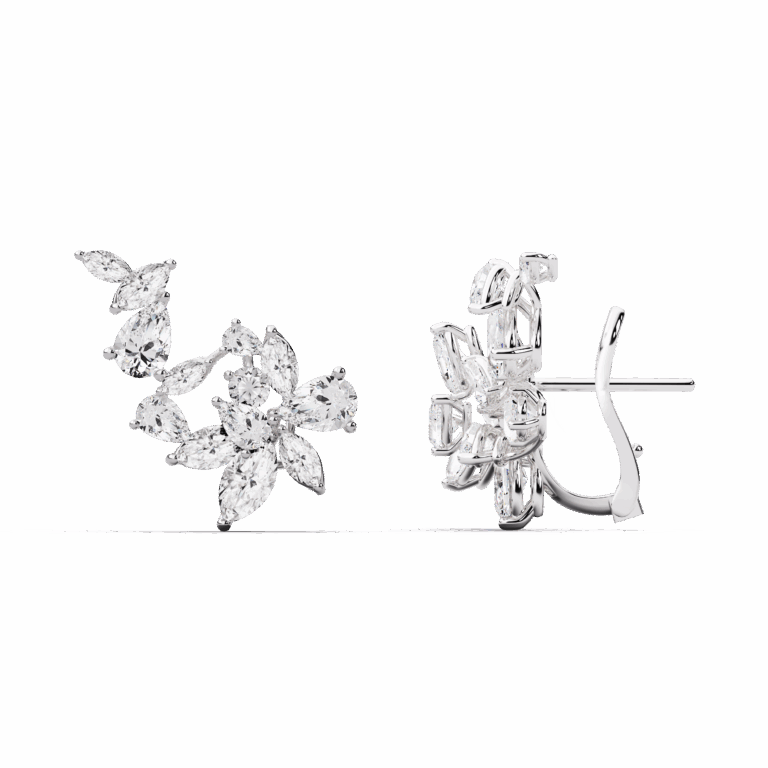
The next wave of “classic” isn’t about louder sparkle; it’s about smarter build. Workshops now model stress at the bench with CAD layouts and basic finite-element checks to see where a band might flex before it cracks. Laser-inscribed serials improve service history, while spectrometer checks confirm the actual alloy mix. That means a simple solitaire can be tuned like gear: prong thickness, seat depth, and crown height adjusted to balance brilliance and safety. Even a timeless marquise cut diamond benefits. The points need slightly heavier protection, and the setting must channel force away from the tips. Done right, it sits smooth under a cuff and still covers the finger with that elegant reach—funny how that works, right?
So, where does this leave you? With a clear, forward-looking filter. Judge your classics the way you’d judge a good watch or a favorite bag: by how it’s built, how it lives with you, and how easily it can be serviced. To choose well, use three simple metrics. First, material integrity: stable alloy and consistent karat that hold polish and resist wear. Second, setting engineering: prong or bezel geometry that protects edges, passes a gentle snag test, and keeps stones tight. Third, provenance clarity: markings, inspection notes, and a service path you can actually use. Choose on those, and a delicate stud or a bold marquise cut diamond stops being “special-occasion only” and becomes an everyday anchor. It’s a quiet shift—and it changes everything. For more thoughtful craft and clear standards, explore Vivre Brilliance.