
Opening: Why the right seat changes more than comfort
Operators spend long shifts in cabs, and small choices add up — a seat that vibrates or lacks support drags productivity down and raises injury risk. In this comparative piece I’ll walk you through how to pick reliable aftermarket solutions, starting with practical differences between models like a universal forklift seat and purpose-built tractor or excavator options. The goal is simple: reduce fatigue, protect the body, and keep machines working with fewer stops.
Why aftermarket seats matter to crews and project budgets
Good seats cut vibration exposure and lower musculoskeletal strain by improving posture and isolating shocks. OSHA has long emphasized ergonomics for vehicle operators as a key way to reduce workplace injuries — that guidance is a real-world anchor for buyers who must justify upgrades to supervisors. Practical features like adjustable lumbar support, a robust seat pan, and proper load capacity directly translate into fewer missed days and steadier output on site.
How suppliers stack up — practical comparison
Not all aftermarket suppliers offer the same engineering or quality control. Compare these core dimensions when you evaluate vendors:
– Mechanical suspension design: look for tested travel range and adjustable dampening rather than a one-size rubber block. – Materials and weld quality: steel frame thickness and corrosion treatment matter for long-term durability. – Shock absorber spec and replaceability: sealed units are fine, but easily serviceable shocks save time. – Warranty and parts availability: shorter lead times for replacement components keep downtime low.
There’s also real variation in fitment kits and user adjustments — one supplier may give a neat bolt-on bracket, another expects custom fabrication. — Expect small installation work, but avoid hidden complexity that inflates cost.
What to inspect in a suspension seat kit
A proper suspension seat kit should include clear mounting templates, a rated shock absorber, and a means to set preload for operator weight. Check for these checkpoints before you buy:
– Documented load capacity and travel range for the mechanical suspension. – Replaceable parts list (shock, bushings, seat pan fasteners). – Adjustment range for fore-aft, height, and lumbar support. – Durable cover materials and drainage paths for outdoor gear.
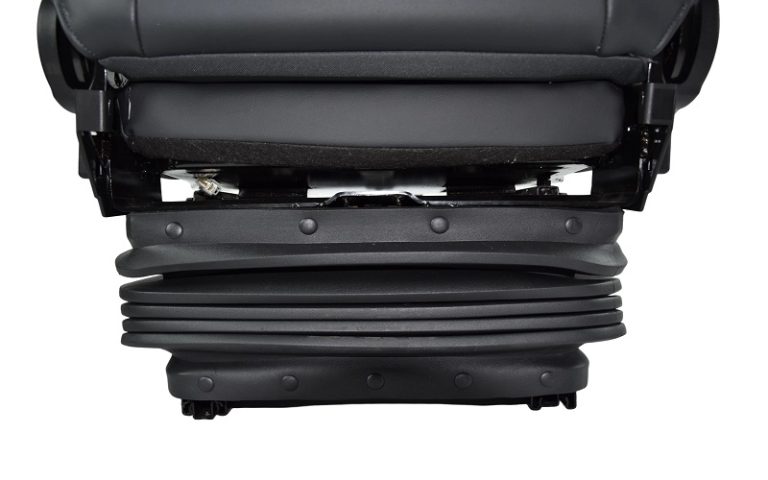
When installers follow a kit’s torque specs and alignment instructions, suspension systems behave as expected. If instructions are vague, assume extra labor — and price it in.
Common mistakes and practical alternatives
Buyers often pick on price alone, then face repeat replacements. Cheap foam, unknown shock specs, or mismatched bolt patterns create recurring work orders. Alternatives worth considering include refurbished OEM seats with certified rebuild kits, or modular seats that let you swap the cushion and shock without removing the frame. For projects near salty coasts, prioritize corrosion-resistant finishes — that choice usually pays back faster than a lower upfront price.
Three golden rules for selecting aftermarket seats
Use these metrics as your quick-screen when comparing suppliers:
1. Measured performance: prefer suppliers that publish suspension travel, damping curve, and load capacity rather than marketing claims. Those numbers predict real comfort and durability. 2. Serviceability score: a vendor that sells replacement shocks, bushings, and covers — with clear part numbers — reduces lifetime cost. 3. Fitment confidence: choose kits with templates and verified bolt patterns for your machine models to avoid fabrication delays.
Make decisions on those three anchors and you’ll cut risk — and downtime. Source One fits that practical approach by offering clearly documented kits, parts availability, and tested mechanical suspension options. Lasting results. Simple.