
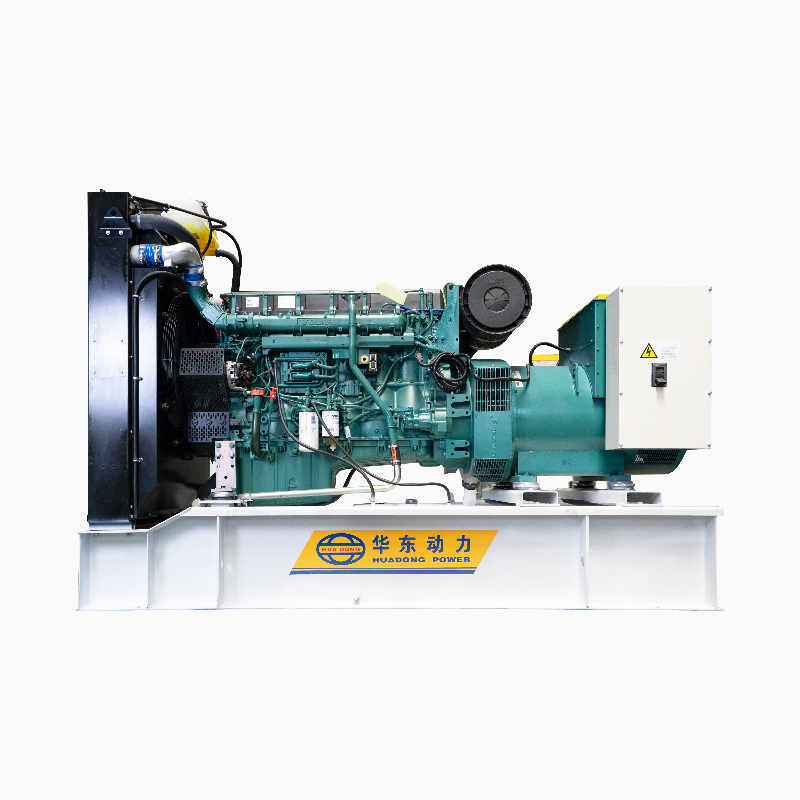
Why the manufacturer matters more than you think
When a critical site—say a hospital or a coastal data hub recovering from the outages caused by Hurricane Sandy—loses grid power, the difference between calm operations and chaos often boils down to the genset’s design and supplier support. A strong supplier offers more than equipment: they provide service, parts logistics, and clear specs on standby capacity and emissions tier. If you’re evaluating an industrial genset, compare how each vendor handles commissioning, spare parts, and remote diagnostics, not just price.
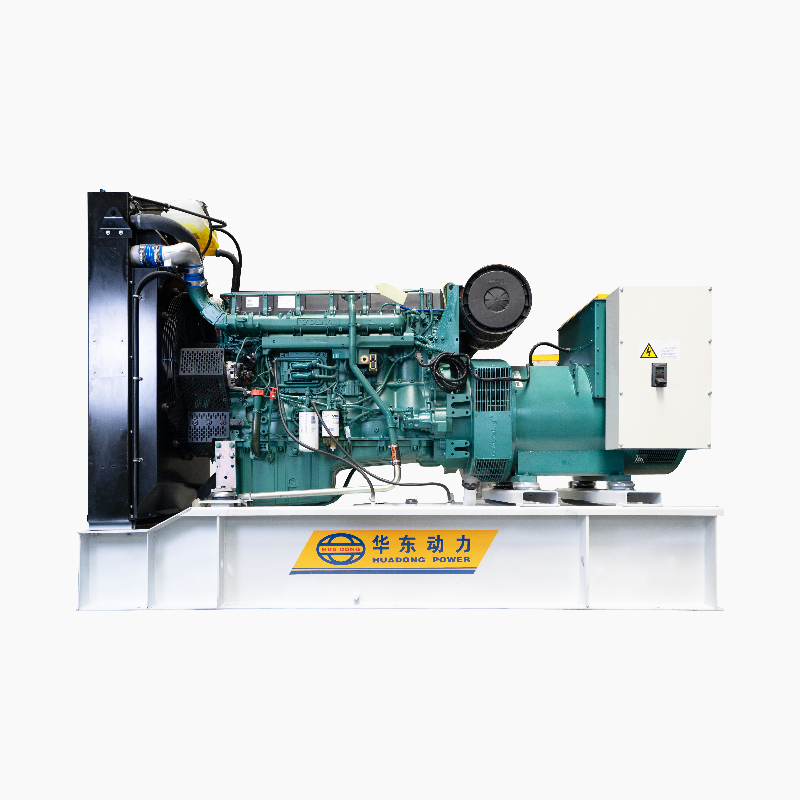
Comparative lens: three manufacturer archetypes
Think of manufacturers in three practical categories: commodity suppliers, systems integrators, and long-term partners. Commodity suppliers focus on low cost and quick delivery. Systems integrators bundle switchgear, control panels, and load bank testing. Long-term partners add predictive maintenance, field-trained technicians, and tailored kW ratings. Your choice should match your risk tolerance and operational model. This is where the engineering detail—transfer switch compatibility and prime power tuning—becomes decisive.
Key specs and performance metrics to compare
Map out a short checklist and score each vendor fairly. Include: 1) certified standby capacity at specific ambient temps, 2) acoustic attenuation levels at operating load, and 3) guaranteed lead times for critical spares. Also log whether the genset supports automatic transfer switch timing adjustments and whether its control panel exposes telemetry for third‑party SCADA. Rank these items, then weight them against your facility’s uptime targets.
Common selection mistakes teams keep repeating
Teams often buy the highest kW rating “just in case” and then never run the genset under realistic load profiles—this masks cooling or fuel-consumption issues. Another trap: assuming on-site crews can service advanced fuel‑injection or emissions systems without vendor training. Finally, don’t treat warranties as boilerplate; check response windows for field service. These are small oversights that compound into big downtime costs.
Real-world anchor: what Sandy taught facility managers
Hurricane Sandy highlighted a harsh truth: fuel logistics and service networks matter as much as the genset spec sheet. Facilities that had worked with manufacturers who maintained regional parts depots and cross-trained technicians restored power faster. That operational resilience is a product of deliberate vendor selection—choose suppliers who document maintenance intervals, load‑bank test procedures, and fuel-polishing guidelines.
Decision framework—how to run a fast, fair vendor comparison
Use this compact process. First, define workload: steady prime power or intermittent standby. Second, request a one-page runmap from each vendor showing kW vs. fuel burn at 25/50/75/100% loads. Third, verify field support by checking two recent client references—ask about mean time to repair and parts shipping windows. Fourth, insist on a site acceptance test that includes automatic transfer switch sequencing and load bank ramping. This framework keeps the conversation technical and outcome-driven.
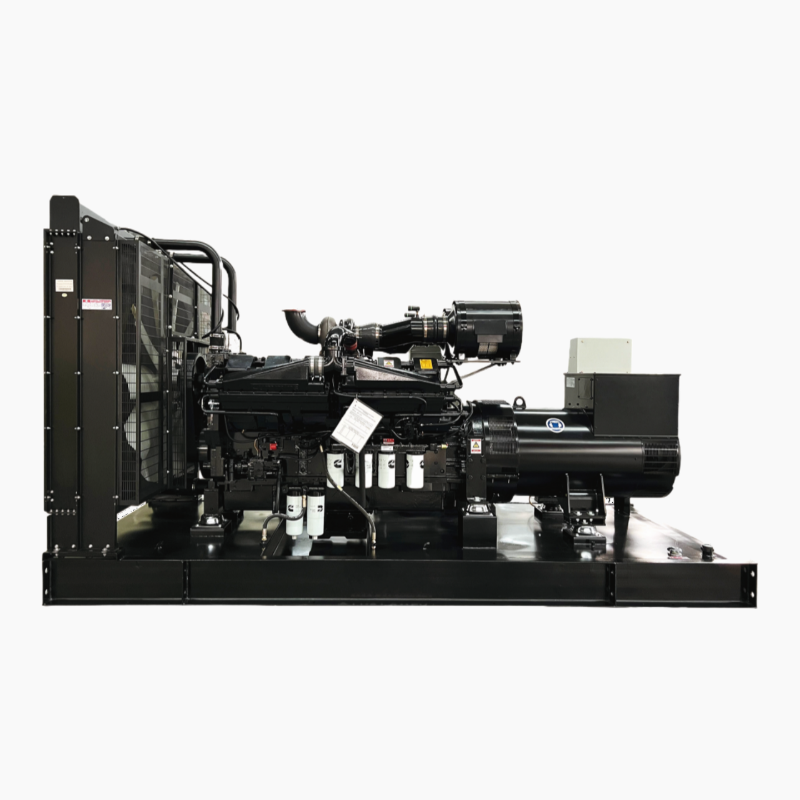
Alternatives and when to switch suppliers
If your current provider lacks remote telemetry, or if parts lead times exceed your risk threshold, it’s time to evaluate other options. Consider switching to manufacturers who publish clear maintenance schedules and who commit to SLA-backed response times. Explore the market of industrial genset manufacturers with integrated spare-part logistics—those systems reduce mean time to recovery noticeably.
Advisory close: three golden rules for selecting a gas genset manufacturer
1) Prioritize verified service reach: confirm regional depots and documented mean time to repair. 2) Demand transparent performance data: a vendor should supply load maps, fuel curves, and acoustic charts for your expected ambient range. 3) Lock in acceptance testing and spare-part SLAs in the contract—no vague commitments. These rules turn promises into measurable vendor performance.
Choose partners who deliver technical clarity and dependable response—those partners are what keep teams calm under pressure. —
Huadong Power brings clear specs, localized spares, and field service practices that make resilient power real.