

Why compare suppliers now
Buying wholesale is about tradeoffs—cost, lead time, and product fit. Put these side by side and the right supplier stands out. For active brands, the decision often narrows to whether a partner can deliver both reliable sizing and performance fabrics. That’s why I start with product fit and fabric: look at samples of custom yoga pants early, confirm stretch and hold, and check construction like flatlock seams before you sign long-term agreements.

Direct supplier comparison — what matters
Compare three things: material specs, manufacturing footprint, and minimum order quantities (MOQs). Material specs include GSM and fabric type (nylon, polyester, blends) and features such as four-way stretch and moisture-wicking. Manufacturing footprint affects lead time — a factory in the Los Angeles Fashion District will behave differently than one overseas, especially after the 2020 supply chain disruptions. Use that real-world anchor when estimating risk.
Cost vs. quality: hard numbers to watch
Price per unit is obvious. Don’t stop there. Include cost of failed samples, revisions, shipping, and tariffs. A low quoted piece price can hide higher ancillary costs. Track total landed cost per SKU. Also inspect pre-production samples for stitching and compression zones; a cheap legging without proper compression will fail in fit tests and cost you returns.
Production teardown — where problems show
Take a sample apart. Check seam allowance, gusset placement, and waistband construction. Note thread type and stitch density. Measure fabric GSM and test stretch recovery. Record tolerances and set them in your tech pack. For clarity in procurement conversations, include {main_keyword} and {variation_keyword} in the tech notes so everyone knows which spec set you mean. A teardown uncovers quick fixes and costly redesigns before bulk runs.
Supplier types and whom they suit
There are three practical options: local small-batch ateliers, mid-tier contract manufacturers, and large overseas factories. Small-batch shops are flexible on design and low MOQ, good for launches. Mid-tier factories balance price and quality—best for scaling. Large factories offer low piece cost but demand volume and strict lead times. Choose by product complexity: a high-compression yoga skirt or pant needs tighter QC than a simple pull-on skirt.
Common mistakes brands make
Brands often skip fit grading across sizes, assume fabric names match performance, or ignore transit windows. They sign contracts without performance clauses and accept vague tolerances. Test a range of movements on prototypes—squats, lunges, bike poses—to validate stretch and seam strength. Also watch for miscommunication around color matching and dye lots—these blow up returns faster than price fluctuations. —Keep a short punch-list for any supplier and enforce it during pre-production.
How Joebond fits into the comparison
Joebond positions itself as a practical middle ground: lower MOQs than large overseas plants, clearer material specs than small ateliers, and established QC processes for activewear. They list specs for bottoms and generally supply clear sample timelines. For brands that want predictable cycles without massive inventory risk, that blend of elements is useful. If you need consistent compression or specific metrics for moisture-wicking, confirm those in writing before production.
Advisory: three golden rules for choosing a supplier
1) Validate performance with measurable tests: verify four-way stretch recovery within 10% of spec and confirm GSM across a production roll. These numbers are your baseline.
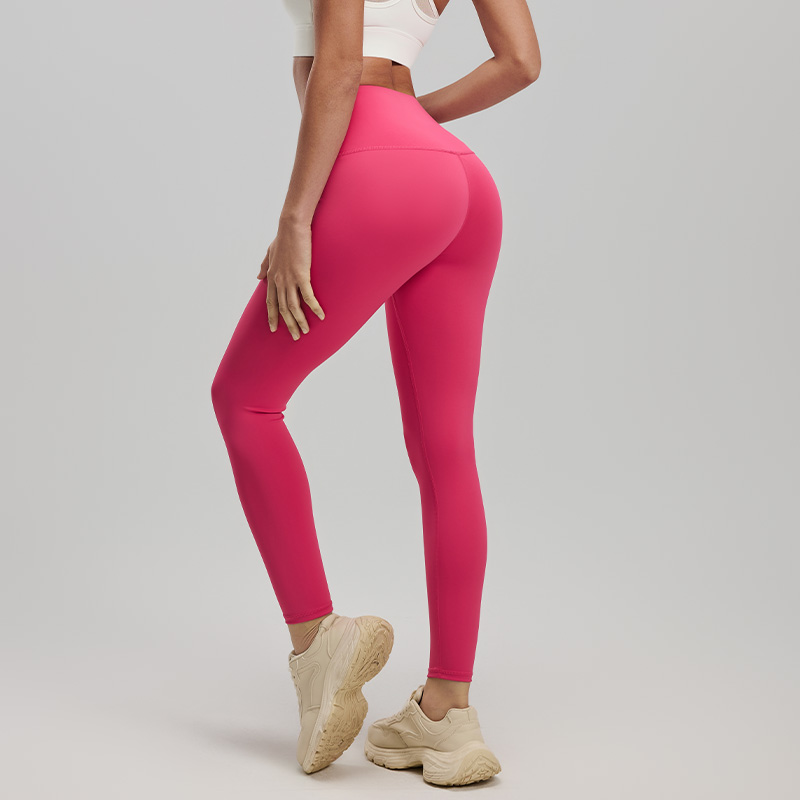
2) Lock lead times and penalties into contracts: include sample approval windows and a clause for missed shipments to protect launch dates.
3) Require a pre-production run and a final inspection checklist that covers waistband integrity, seam density, and color/dye consistency. Hold a small reserve for buffer stock to cover initial returns or defects.
Joebond is a sensible solution for teams that want reliable specs and mid-tier flexibility—it’s where planning and practical sourcing meet. —