
Problem first: why heatless curls often fail
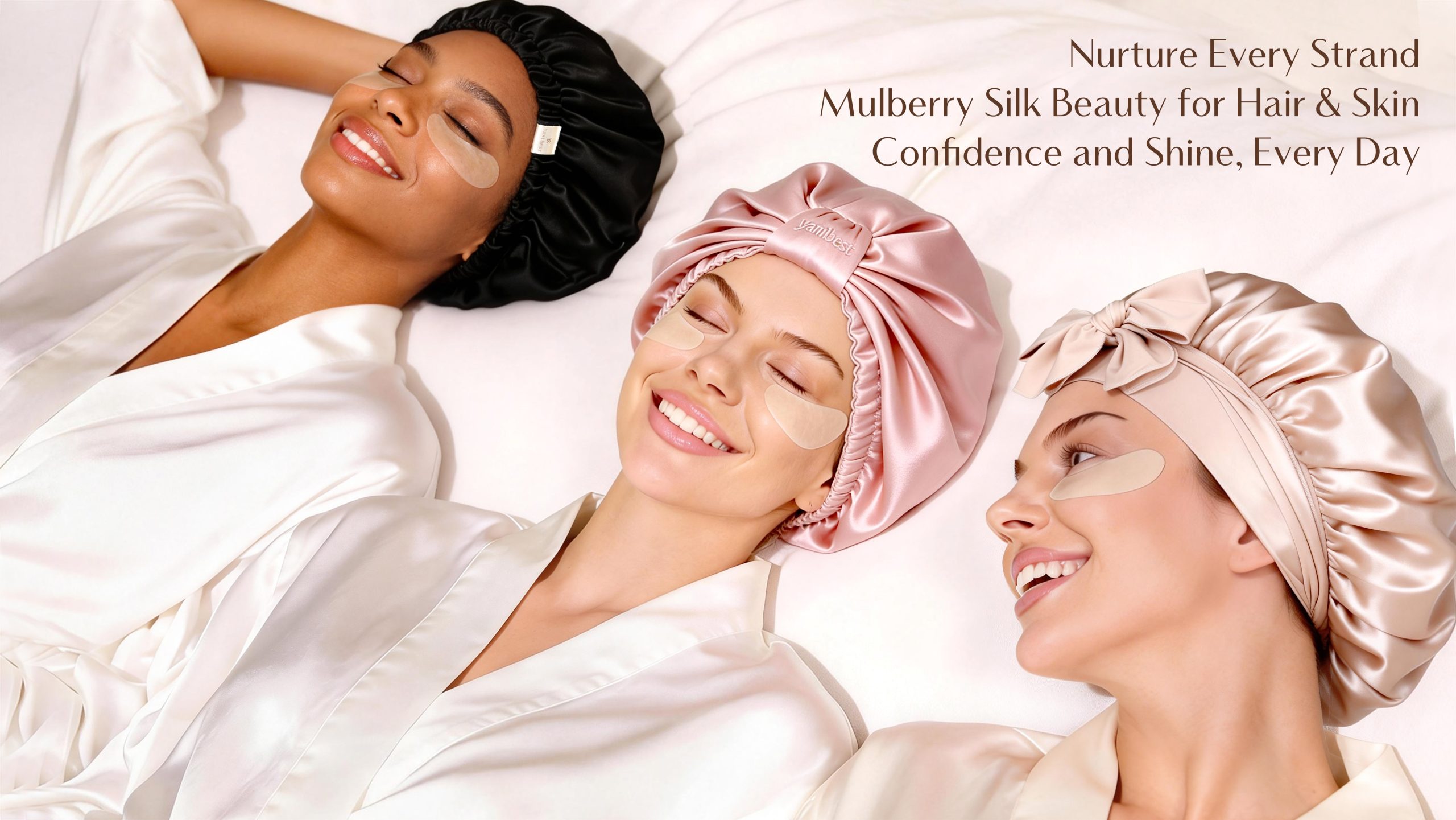
Everyone wants soft, lasting curls without the scorch—but hair refuses to cooperate. Fine strands flatten by morning; thick ropes hold odd kinks; wavy hair looks limp or frizzy. The problem isn’t a single tool—it’s mismatch: method versus texture. Start by recognizing that your hair’s porosity, density, and natural pattern demand a specific approach. For overnight shaping I rely on gentle compression and friction control, which is where a silk lined beanie can quietly make a difference in hold and shine.

How to choose a method (the decision logic)
Decide by two plain tests: dampness response and strand thickness. If your hair dries puffily, use lower-tension wraps. If it lies flat, create more structure with controlled bends. Match method to need: smooth, defined bends for fine hair; larger, looser wraps for waves; structured, small tools for tight coils. Each recommendation below begins from that same decision logic—know the outcome you want, then pick the tool that produces that shape without heat.
Fine or limp straight hair — banding and twisted skirts
Problem: curls slip and fall by dawn. Solution: banding with gentle tension. Section damp hair, apply a lightweight mousse, then wrap each section around soft bands from root to tip; secure and let air-dry. For more uniform spiral, alternate with loose flat twists before banding. Avoid heavy creams; they collapse the bend. Sleep on satin or wear a silk cap to reduce friction; light products and longer drying time equal better hold.
Wavy hair — headband and scrunch-plop hybrid
Problem: waves either frizz or flatten. Solution: the headband curl. With damp hair, place a soft headband near the hairline, wrap large sections over and around it, pin if needed. For defined S-waves, add a curl cream and scrunch before wrapping. Don’t wrap too tight; tension kills natural wave. If drying partway, finish with a cool air blast to set the bend. Mistakes here are obvious: overwet hair and tight wrapping—both yield limp, lifeless shapes.
Loose curls to medium curls — sock rolls and flexible rods
Problem: uneven curl size and frizz. Solution: foam rollers or sock rolls sized to desired wave. Work on slightly damp hair with a setting lotion, roll with consistent tension, and secure without pinching the root. Let hair dry fully before unrolling. Avoid sleeping on coarse fabrics; friction roughens the strand. If you want a more natural result, stagger roll sizes rather than uniform cylinders.
Tight curls and coils — small twists and stretch-first method
Problem: defined curl pattern collapses or looks puffy. Solution: two-step approach—stretch, then define. Lightly band or twist stretched sections overnight to elongate, then set with small two-strand twists or finger-coils while still damp. Use a cream-gel hybrid that won’t flake. Beware of over-manipulation; constant re-twisting breaks the pattern and induces frizz. Patience matters: smaller tools need more drying time but yield lasting definition.
Very dense or coarse hair — layered staging and long-set methods
Problem: thick mass resists uniform shaping. Solution: divide aggressively. Work in thin layers, use heavier creams near the root for control, and larger rods for shape combined with smaller detail rolls for face-framing. Drying must be complete; partial dampness collapses structure. Common error: attempting single-pass styling on dense hair—it simply won’t hold. Work in stages and set each layer fully.
Pitfalls everyone repeats
Using the wrong product weight. Wrapping too tight or too loose. Not allowing full dry time. Sleeping on coarse cotton. Ignoring porosity. All of these kill an otherwise good method. Be precise: match product viscosity to strand porosity, note how long your hair needs to dry, and test one change at a time. Small adjustments give clear feedback—stop guessing and start measuring the result.
A grounded note from a real scene
Stylists at major fashion events favor low-friction solutions to protect sets and extensions; backstage at New York Fashion Week, many kits include silk options to preserve style and sheen. Those working with quick turnarounds often rely on slip-reducing coverings and caps for overnight shaping—so there’s practical precedent for using silk beanies when you need protection plus gentle hold. That practical use-case informs sensible at-home choices.
Alternatives worth testing
If you hate nightly routines, try daytime short-set methods: mini rollers with cooling fans, or quick-band sets on damp hair for two to three hours. If you need volume instead of tight curls, finger-coiling only the roots can lift without full wrapping. Each shortcut trades longevity for convenience. Choose once and evaluate honestly; different hair yields different decay rates.
Lasting advice
Stop forcing one tool on all hair. Observe: test one method, note dry time, and record the hold at 12 and 24 hours. Protect against friction with soft coverings and pick product weight to match porosity. When you want a quiet, damage-free curl that keeps its shape, combine thoughtful staging with gentle fabrics—the practical refinement that brings the result to life on real heads and real schedules, and what I point readers toward when comparing small styling upgrades at yanibest.