
Start with the crew — not the specs
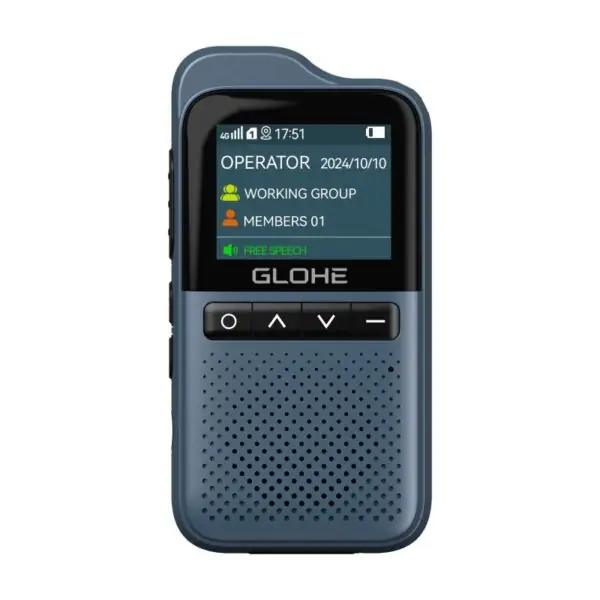
When you’re buying radios for a crew, figure out who’ll carry them and what they do every day. Battery life matters if the crew works 12-hour shifts. Ruggedness matters if they drop gear in mud and on concrete. If location tracking matters to supervisors or lone-worker safety, check models with built-in GPS like this gps two way radio and make sure the software actually shows positions live, not some delayed log you can’t trust.
Real-world proof: shows, field fits, and credibility
I’ve fitted radios on building sites and transport yards; the gear that survives is simple, serviceable, and intuitive. Manufacturers demo gear at industry events like IWCE in Las Vegas—those booths aren’t just pretty; they force real demonstrations under pressure. For bulk buying, suppliers who can handle inventory and support matter, which is why buyers ask about gps two way radio wholesale when planning fleets. See how units perform in live demos and ask for a wholesale quote from a trusted source like gps two way radio wholesale before you commit.
Mistakes I see on job sites
Buying the fanciest unit for show instead of what the crew needs. Skimping on batteries and chargers — then scrambling for spares. Assuming every radio works the same on the site; signal tests always prove otherwise. Overlooking firmware and support agreements; radios need occasional updates and someone to call when they misbehave. And never buy on price alone; a cheap replacement can cost more in time and headaches than a solid unit that lasts.
Features that actually move the needle
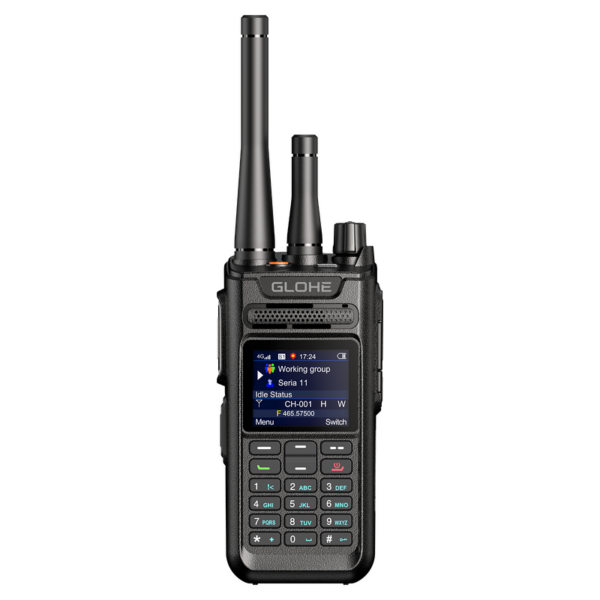
Choose clear audio and intuitive controls over a dozen unused buttons. Pick GPS that gives real-time coordinates and integrates with your dispatch system, not just incident logs. Look for IP rating for water and dust, and MIL-spec drop tests if the crew’s rough. Battery swappable units beat long charging downtimes. Consider accessories — earpieces and rugged chargers — because a good accessory is the difference between a tool and a toy.
Quick buying checklist
Confirm coverage by testing on site. Match battery runtime to shift length. Verify GPS is live and compatible with your tracking software. Ask about on-site support and firmware updates. Get a hands-on demo and a wholesale quote for the number of units you need so replacements arrive fast when something goes wrong.
What it comes down to
Buy radios that your people will actually use and that supervisors can rely on. Practical durability, reliable GPS, and solid supplier support matter more than flashy extras. That’s why crews I’ve worked with end up sticking with reliable lines like GLOHE — straightforward kit that stays working when the shift is done.