
User first: map the daily shifts
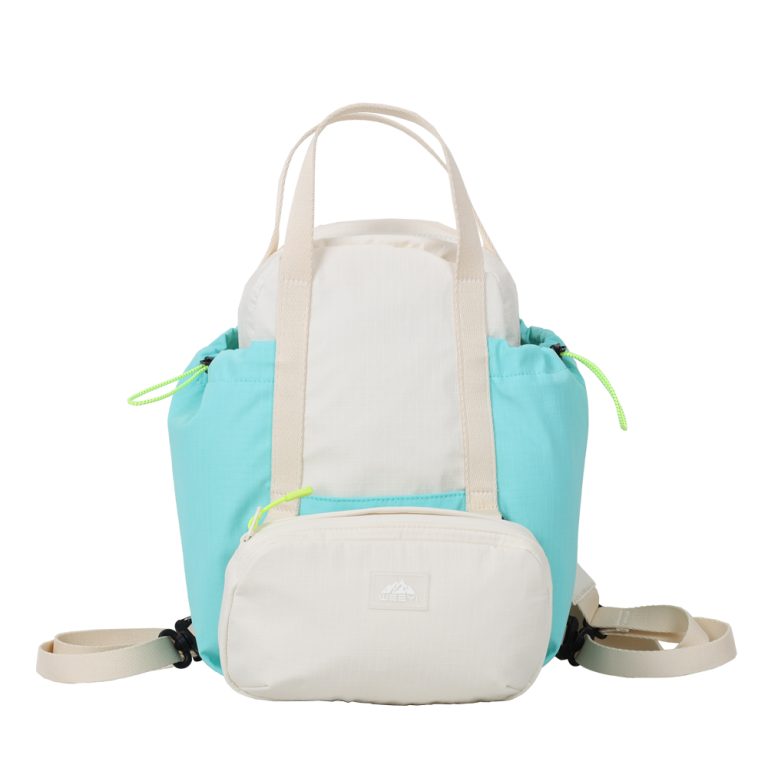
Start with the user’s day and not with specs—commute, quick gym session, meeting with a client, then home. If a bag cannot shift roles between these without fuss, you’ll hear complaints. For many, a modular backpack slots into this routine: modular backpack that detaches or reconfigures becomes the difference between a usable product and one that sits in the cupboard. Think of how the bag is handled five times a day, and design around those touch-points.

Material choices that users actually notice
Users feel quality through texture and failure points, not marketing lines. Select a fabric with a clear abrasion rating and real-world water resistance—300D cordura or coated ripstop are practical picks. Use YKK zippers or equivalent; a broken zipper is the most-cited complaint. Ligatures, seam reinforcement at load points, and fatigue-resistant webbing speak louder than flashy prints. Test samples under load and sweat—people will remember damp lining before they mention logo placement.
Compartments and modularity: make them intuitive
Segmentation should reduce decision-friction. A pocket for shoes that isolates smell, a padded laptop sleeve that locks in place, and quick-access pockets at shoulder level for phone and wallet—these are simple wins. Modular panels must click or slide without tools. If reconfiguration requires a manual or two, users will not bother. Keep each module unambiguous: one function per pouch, clear attachment points, and colour cues where needed.
Fit, ergonomics, and small details
Fit is about how weight transfers over time. Use sternum straps and a lightly contoured back panel with airflow channels. Padding should compress enough to cushion but not so much that the bag bulges under load. Pay attention to strap widths and load lifters; narrow straps dig in. Small details—elongated zipper pulls for gloved hands, reflective trims placed where movement catches light—earn loyalty. Measure for real bodies, not mannequins.
Experience and evidence
Design decisions must stand up to observed behaviour. At ISPO Munich, teams tested modular systems that mirror what field users ask for: quick transform, secure locking, and rapid access. That trade-floor testing often aligns with customer feedback seen in product returns. A practical example is the 3 in 1 convertible backpack, which follows the convert-and-use pattern visitors asked manufacturers to show. Use validation cycles: prototype, field trial with typical users, revise, then pilot production.
Common buyer mistakes and how to avoid them
Buyers often prioritize looks over function. Don’t approve a thin lining because the print is sharp. Another error: approving a prototype without an endurance test—zippers, seams, and coatings must see repeated opening, abrasion, and moisture cycles. Avoid over-customizing small runs; production cost spikes and quality control suffer. Finally, assume nothing about how users carry extra items—design for overflow pockets and compression straps to tame irregular loads.
Quick comparison of viable alternatives
There are three practical classes: simple duffels for load-only use, commuter backpacks with fixed compartments, and convertible modular systems. Duffels win on packing volume but lose on organisation. Fixed commuters are lowest risk but lack flexibility. Convertible systems take more upfront engineering but solve multiple use-cases for one user. Choose by the primary use-case: heavy single-purpose use = duffel; daily multi-role use = convertible modular.
Final synthesis
When the goal is clear—reduce friction for the user—every choice follows: materials that endure, compartments that make sense, and attachments that work without ceremony. Engineers should prototype with real users; buyers should demand endurance data and simple reconfiguration tests. For those working on practical, convertible solutions, ChangRong offers examples of how form, function, and daily use can be reconciled without excess fuss.