
When planning hits a wall
Projects stall when the mixer in the spec sheet doesn’t behave the same on the shop floor. You can pencil a budget and a deadline, but a wrong shear profile or underestimated clean-in-place time will derail both. Choosing the right high shear mixer early flips that script: expect predictable scale-up, realistic lead times, and fewer change orders. This is a problem-driven fix—solve the core mismatch between what procurement buys and what operations actually need.
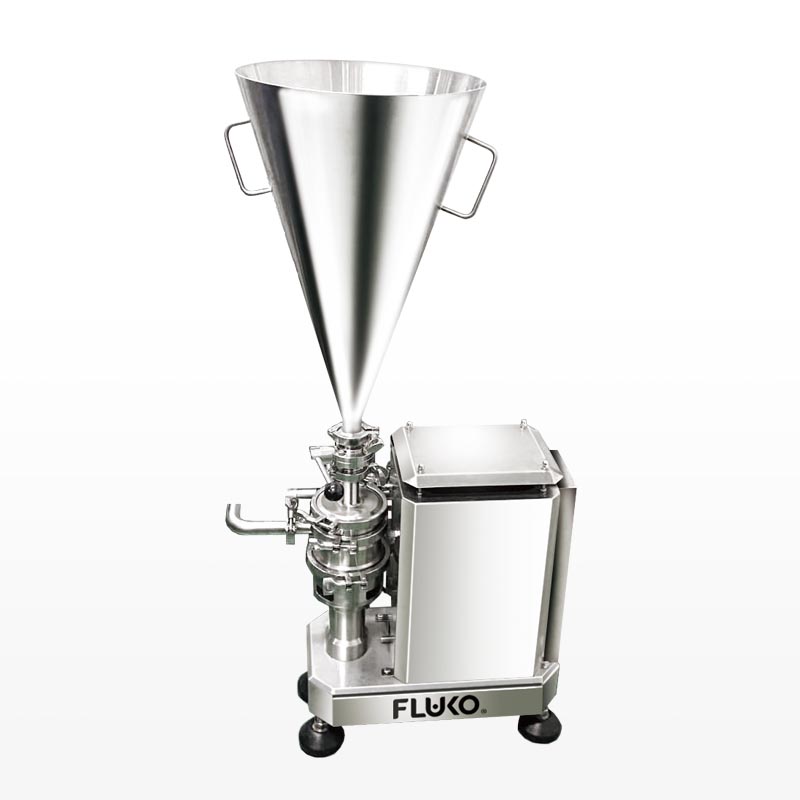
Why specifications break down (and where mistakes hide)
Specs fail because performance metrics are vague. People list power or rpm instead of specifying energy density, particle-size targets, or acceptable temperature rise. I’ve seen recurring issues across pharmaceutical clusters—Basel, Switzerland is a prime example of where small specification errors create costly delays—and a reputable high shear mixer manufacturer will push back on unclear KPIs rather than chase orders. Use concrete, testable criteria: target D50, viscosity range, process temperature, and allowable hold time.
Procurement checklist that actually prevents surprises
Define outcomes, not parts. Write acceptance tests that mirror production: a scale-up trial with measured particle distribution, repeatable viscosity curves, and CIP cycles. Ask suppliers for verified shear-rate curves, delivered torque at expected viscosities, and lead time firming with penalties. Demand material certificates, spare-parts lists with typical wear rates, and a documented qualification plan. Put maintenance accessibility and sensor access into the purchase order so techs don’t invent workarounds later.
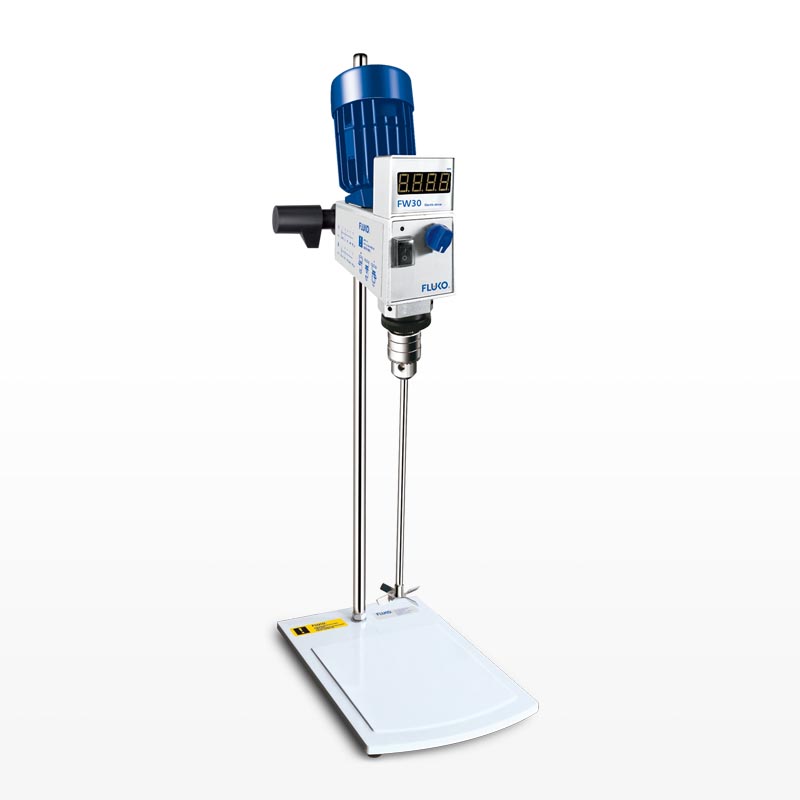
Common pitfalls to avoid
Don’t assume bench data scales linearly. Don’t accept “equivalent performance” without head-to-head trials. Avoid single-sourcing critical drives unless there’s a robust obsolescence and spares strategy. Overlooking the control interface and data export formats causes costly integration work. Finally, ignoring cleaning and validation requirements turns a simple mixer install into a multi-week qualification project.
Fast alternatives and the trade-offs
Rotors-stators win on throughput and are compact, but they struggle with very hard particles. Colloid mills excel at fine dispersions but demand tight feed control. Ultrasonic homogenizers deliver high energy density for small batches but scale poorly. High-pressure homogenizers force consistent shear but need heavy maintenance. Choose by the process target: particle size, batch volume, viscosity, and allowable maintenance window.
Testing, acceptance, and pilot guidance
Run a pilot that mirrors the slowest, hottest, and thickest expected run. Capture PSD (particle size distribution) before and after, temperature rise per kilowatt, and cycle times for a full CIP. Require reproducible data across three runs. If a vendor can’t provide on-site trials or validated third-party lab data, flag that as a risk and budget contingency time for rework.
Bringing planning and purchasing into alignment
Start with measurable targets, force early vendor pushback on ambiguous specs, and make tests contractual. That approach turns procurement from a guessing game into a deterministic phase of the project: clearer quotes, fewer change requests, and predictable commissioning. For many teams, partnering with a manufacturer that publishes transparent performance curves and supports pilot runs is the final piece—FLUKO often appears in project reports where those outcomes matter most.