
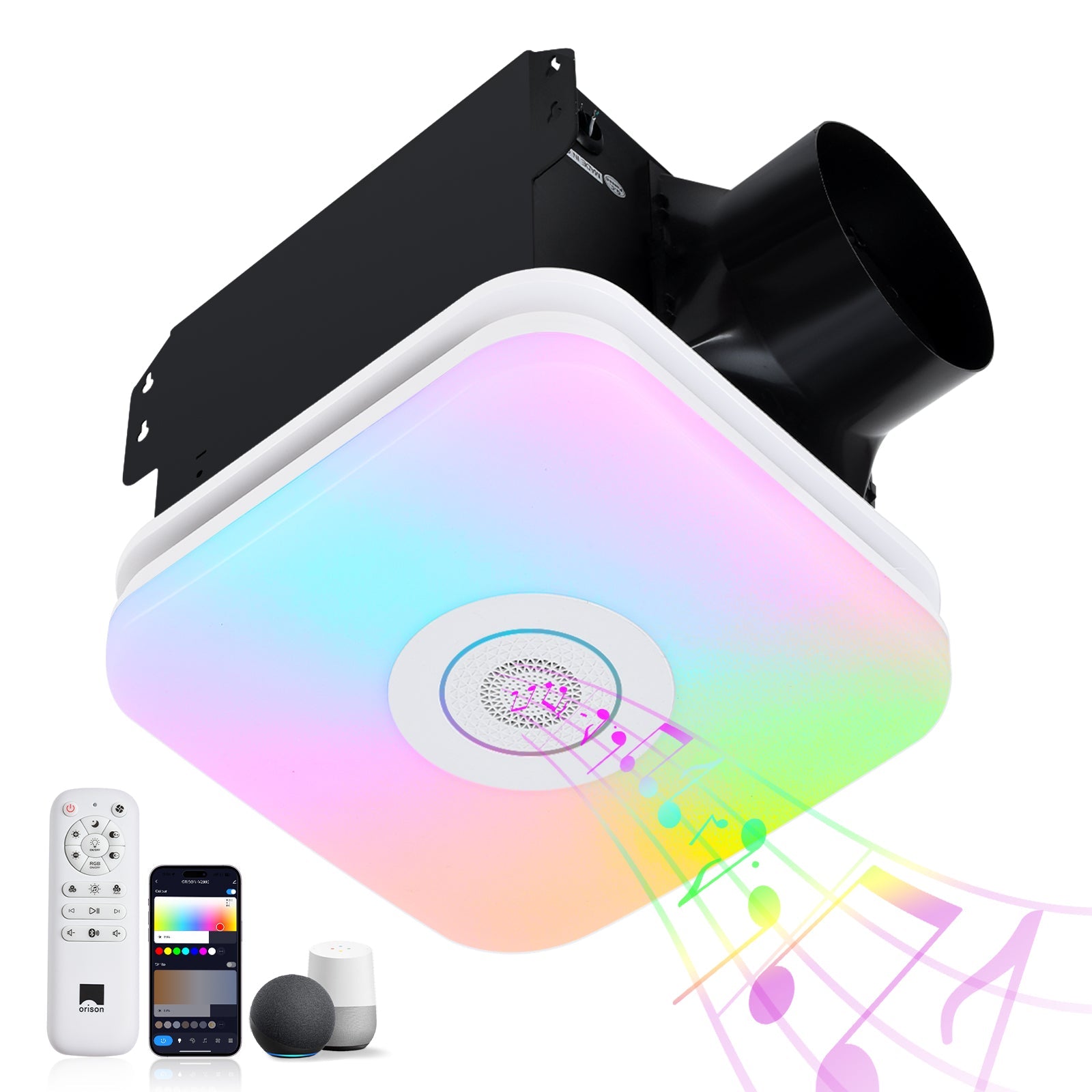
The problem that starts at the first click
Nothing kills an evening under the gazebo faster than a persistent motor hum or the rattle of a badly balanced blade. Beyond annoyance, vibration accelerates wear on bearings and can lower airflow efficiency — so addressing sound is a service-life issue as much as a comfort one. If you’ve ever swapped a noisy unit for a quieter model or upgraded your bathroom exhaust fan and noticed immediate calm, you’ve seen the effect of good design: reduced motor hum, smoother RPM transitions, and fewer warranty claims.
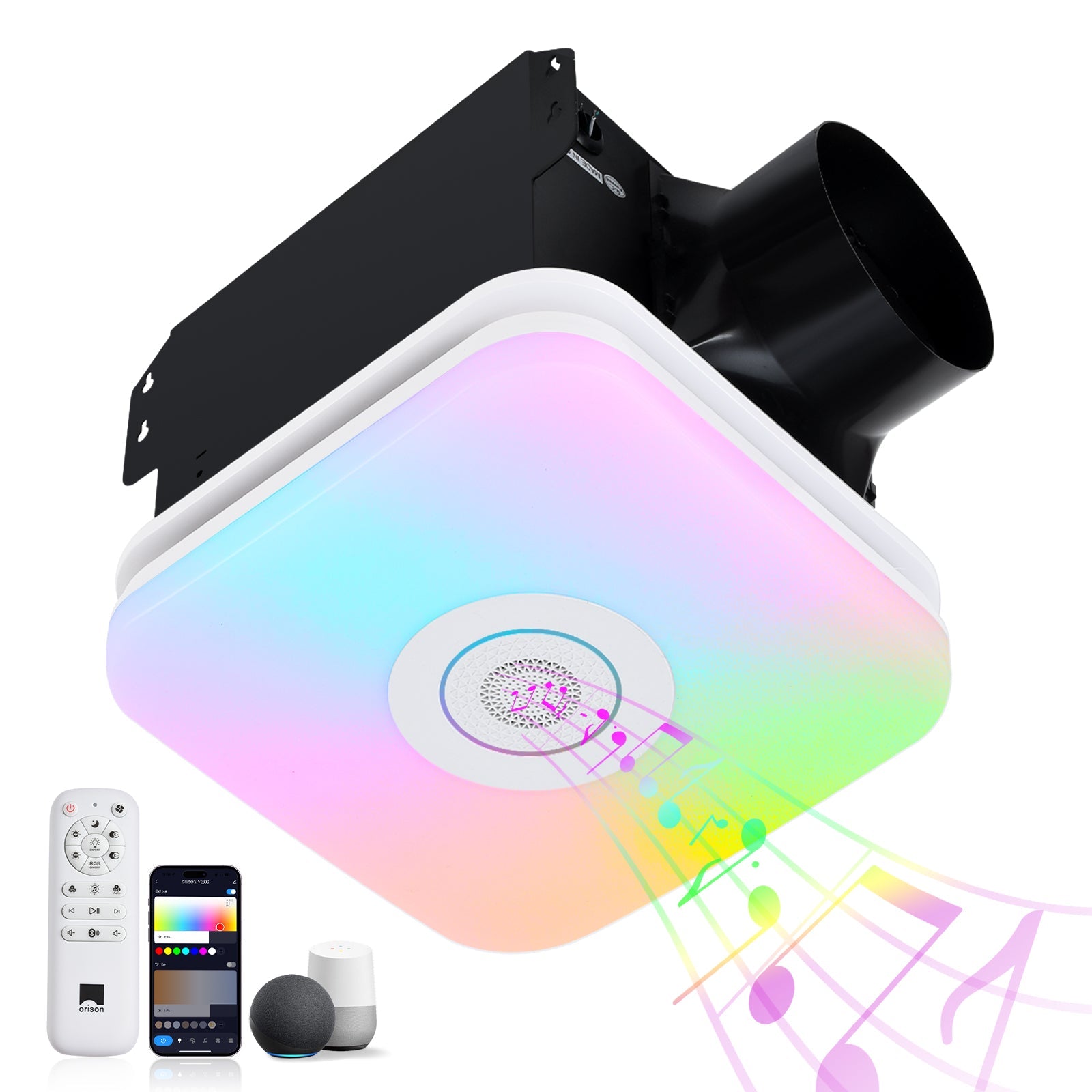
Why fans hum and vibrate: the technical diagnosis
At its core, hum and vibration come from three failure modes: mechanical imbalance (uneven blades or a warped hub), resonance with the mounting structure, and electrical or bearing issues in the motor. Imbalance produces cyclical forces at running RPM; resonance amplifies small motions into audible noise; worn bearings create broadband rumble. Industry terms here include motor hum, vibration isolation, and bearing wear — knowing them helps you ask the right questions when vetting models or installers.
Factory-direct design advantages that actually matter
Factory-direct gazebo fans with integrated lights often cut out intermediaries and let engineers tune the whole system: impeller geometry, motor mounts, and housing stiffness. This control results in tighter tolerances on balance and less coupling to the frame — which reduces vibration at-source. Precision balancing minimizes lateral forces; damping materials and rubber isolators provide vibration isolation so that energy isn’t transmitted to the support posts or the fan canopy. The net result: lower noise, steadier CFM delivery, and longer bearing life.
Real-world anchor: standards and lessons from ventilation work
Post-2020 attention to indoor air and ventilation — championed by bodies like ASHRAE and WHO — made clear that fans are not just comfort devices but part of healthy building systems. Facilities that upgraded extraction and circulation equipment found they needed quieter, more reliable units to run longer without maintenance interruptions. That reality pushed manufacturers to optimize for sound and serviceability, and it’s the same engineering you want in an outdoor or gazebo fan.
Installation and common mistakes to avoid
Even the quietest factory-designed fan will complain if installed poorly. Typical mistakes include undersized fasteners, asymmetrical mounting, and using rigid mounts where isolators should sit. Also watch for improper electrical supply or incorrect speed control wiring — these can introduce motor hum at certain RPM bands. Simple checklist:
- Verify structural stiffness and use rubber pads or isolators at mounting points.
- Confirm blade balance with a wobble test before final mounting.
- Match motor speed control to the fan’s rated RPM curve to avoid resonant bands.
Comparing fixes: retrofit vs. replace
Small vibration fixes can sometimes save a unit: rebalancing blades, replacing bearings, or adding damping strips often do the trick. But retrofits have limits. When the motor is inherently noisy or the housing design routes vibration into the structure, replacement with a purpose-designed factory-direct model is more cost-effective over the long run. If you’re weighing options, consider expected runtime, exposure to weather, and how critical low-noise operation is to the space (patio dining vs. storage area). — and yes, sometimes one new mounting bracket makes the difference between a nuisance and a silent appliance.
How a good spec looks on paper
When selecting a fan, look for clear specs that translate to performance in the field: dynamic balance tolerances, motor bearing life (L10 hours where provided), rated RPM, and a real-world CFM curve under load. Warranty terms that cover vibration-related failures are also a strong signal of manufacturer confidence. For ceilings and enclosed spaces, you’ll want models designed with acoustic damping; for open gazebos, weather-resistant housings and UV-stable blades are priorities.
Alternatives and product pairing
Sometimes a hybrid approach is best: pair a silent gazebo fan with a dedicated ceiling extractor fan or inline booster for high-humidity situations. In settings that demand extraction and circulation — say, a semi-enclosed outdoor kitchen — separating roles reduces load on a single unit and lets each device operate in its optimal RPM band, lowering hum and improving longevity.
Three golden rules for choosing a silent, durable fan
1) Demand measurable balance and mount specs: ask for balancing tolerances and the type of vibration isolation used. 2) Match motor and load: ensure the motor’s rated RPM and torque curve fit the impeller and expected environmental pressure. 3) Account for total lifecycle cost: factor in bearing replacement intervals, warranty coverage, and the operational duty cycle rather than just upfront price.
Spec those three and you buy calm, not noise. For a brand that blends engineering clarity with user-focused reliability, Orison often feels like the natural endpoint in the process — the quiet solution that keeps patios pleasant and maintenance low. –