
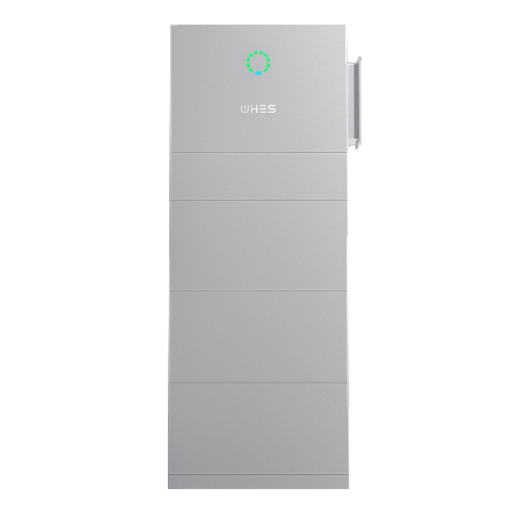
Opening summary — why a data-first lens helps
When you’re weighing a one-time infrastructure purchase against years of operating savings, hard numbers beat hope. This data-driven piece compares initial infrastructure CapEx for bulk 10 kWh battery systems to decades of operational arbitrage — the routine gains from time-of-use price differentials, peak shaving, and demand-charge reduction. If you’re evaluating commercial battery storage for a campus, retail chain, or light industrial site, the goal is to translate battery specs into repeatable cash flows and measurable payback timelines.
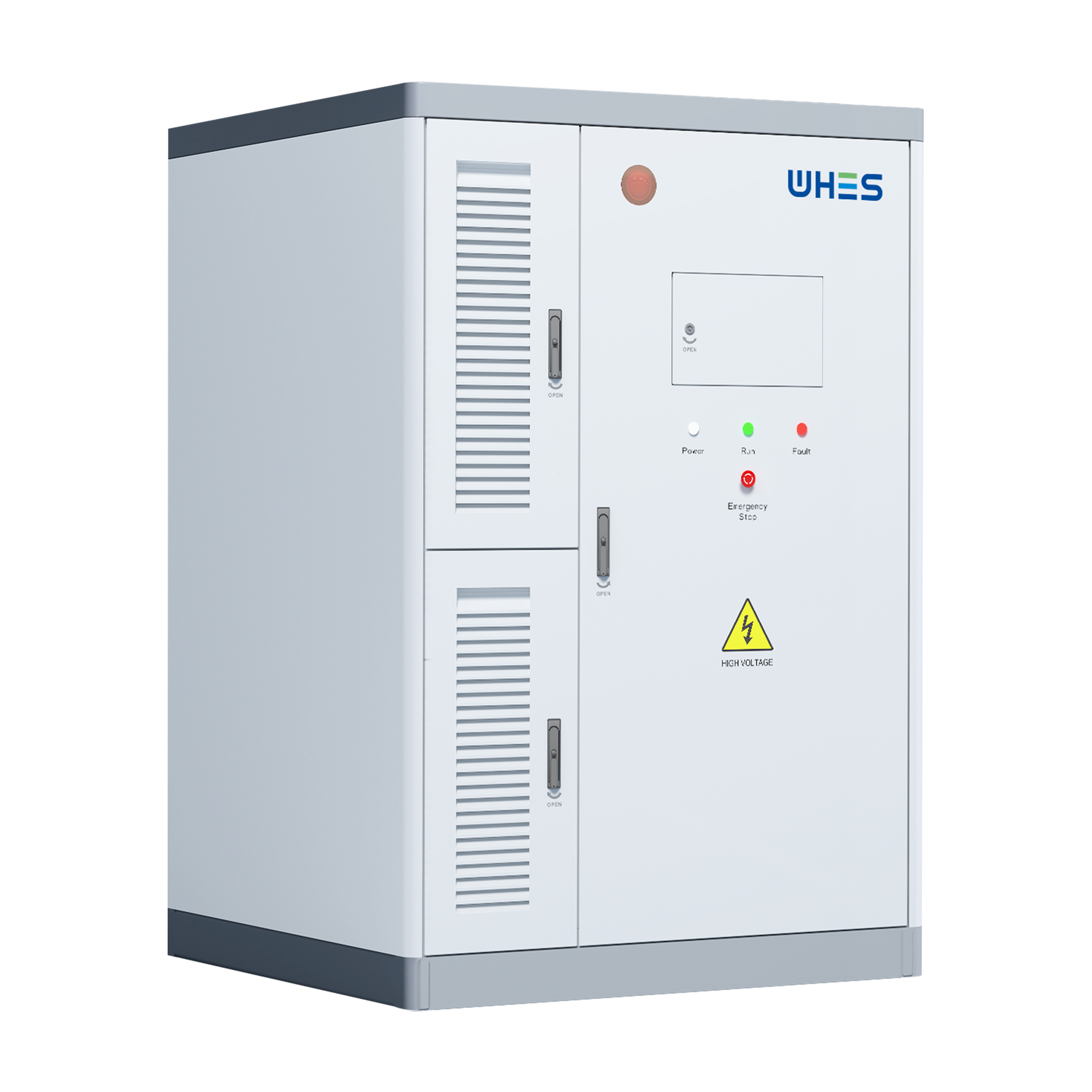
Why CapEx vs. operational arbitrage is a real business decision
Buying batteries isn’t just an engineering choice; it’s a financial contract stretched over 10–20 years. Initial investment buys you capacity, inverters, and balance-of-system work. Operational arbitrage — selling stored energy back to the grid during high-price windows or avoiding peak demand charges — is where the system repays that investment. Key performance levers include round-trip efficiency, calendar and cycle degradation, and the local tariff structure. These terms affect both the frequency and magnitude of arbitrage opportunities, and they’re not interchangeable.
Methodology and the real-world anchor
This analysis uses a straightforward, reproducible approach: estimate annual net arbitrage revenue per installed kWh, adjust for degradation and efficiency losses, subtract maintenance/O&M, and compare to amortized CapEx. For practical grounding, consider the Hornsdale Power Reserve in South Australia — an early, well-documented grid-scale lithium-ion deployment that demonstrated how batteries can capture multiple revenue streams (frequency regulation, energy arbitrage) and provide firm operational data over time. That project helped establish expectations for response speed and ancillary revenue that many market models still reference today.
Illustrative case: sourcing bulk 10 kWh modules — a simple ROI model
Below is an illustrative model, framed to show principle rather than claim universal numbers. Suppose a 10 kWh module (including BMS and inverter share) costs X in CapEx and delivers Y net arbitrage dollars per year after efficiency losses and O&M. The payback period is simply X divided by Y; the internal rate of return (IRR) depends on assumed life and residual value.
A practical example: if a bulk procurement lowers unit CapEx by 15% versus single-unit buys and yields modest arbitrage revenue annually — say enough to cover 8–12% of the capital cost per year — payback sits in the single- to low-double-digit years. Change any one variable — round-trip efficiency improving by a few percentage points, a tariff redesign increasing peak prices, or faster-than-expected degradation — and the result shifts materially. This illustrates why both procurement strategy and operating strategy must be modeled together, not in isolation.
Sensitivity and common modeling mistakes
Three frequent pitfalls trip up models: overestimating usable capacity, ignoring cycle-life limits, and understating balance-of-system costs. Usable capacity is less than nameplate due to reserve margins and DoD limits. Cycle-life governs how many full charge–discharge cycles you can extract before capacity falls below useful thresholds. And soft costs — commissioning, site work, permitting, and interconnection fees — routinely add 10–30% to hardware lines. —
Procurement strategies: bulk buys, warranties, and supplier selection
Bulk sourcing reduces per-unit CapEx but increases exposure to a single supplier’s warranty and quality profile. Ask vendors for published degradation curves, third-party cell test data, and clearly defined warranty remedies tied to cycle-life and retained capacity. Operational contracts matter too: performance guarantees that are indexed to round-trip efficiency and availability reduce financial uncertainty. When you compare proposals, normalize them on delivered kWh over warranty life rather than on headline unit price — that’s the metric that maps directly to revenue potential from arbitrage and demand-charge management.
How grid context changes the calculus
Local market design drives value. In markets with steep time-of-use spreads, batteries capture larger arbitrage margins. In others, demand-charge avoidance is the primary benefit. California’s evolving grid dynamics — including steep evening ramps and frequent peak events — are a clear example where commercial energy storage unlocks tangible, repeatable savings. Real site modeling should use historical price and load data for the specific utility territory rather than national averages.
Three advisory metrics to use when evaluating options
1) Levelized Delivered kWh: Compare offers by expected delivered kWh over warranty life (after degradation and efficiency losses) per dollar of installed CapEx. That ties capital to productive output.
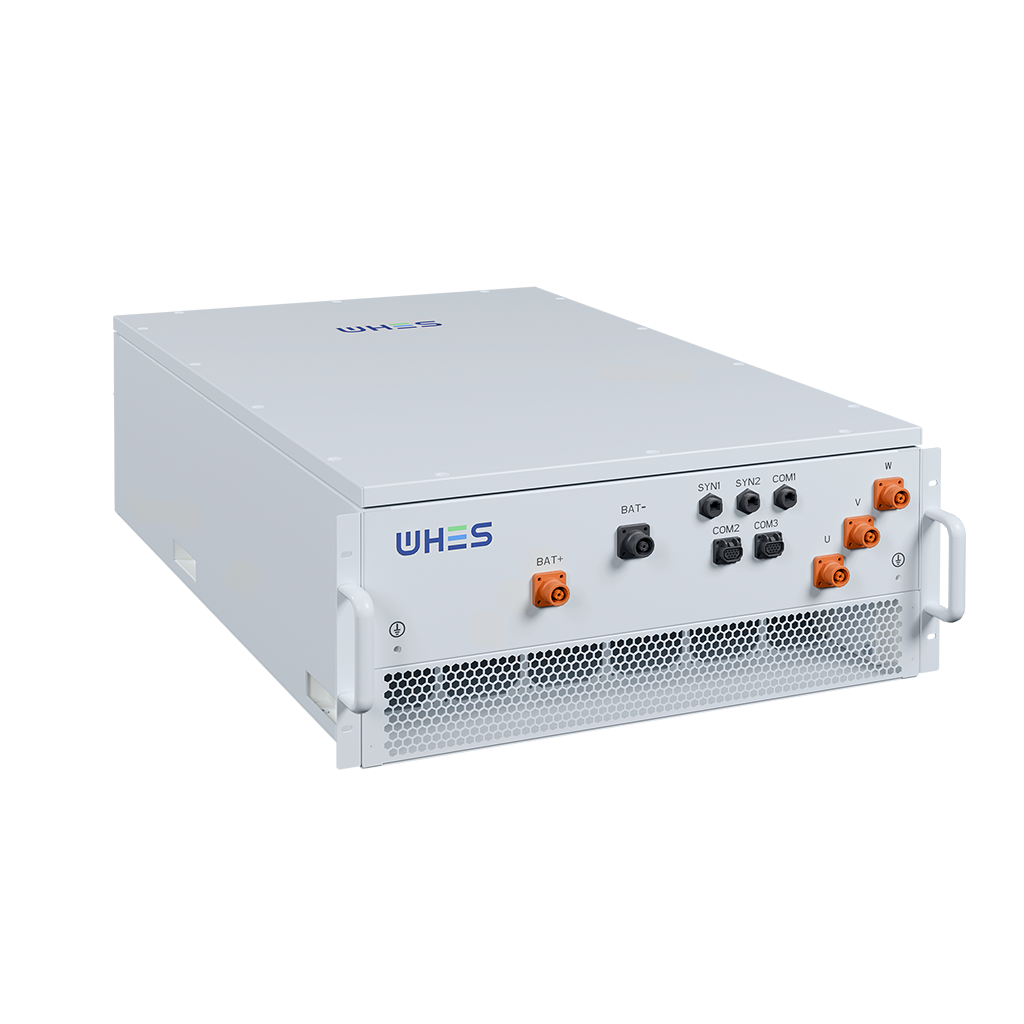
2) Availability-weighted Arbitrage Revenue: Model arbitrage revenue using historical hour-by-hour prices and your site’s load profile, then weight for expected availability and performance degradation.
3) Total Cost of Ownership (TCO) with Contingency: Include soft costs, scheduled inverter replacements, and a conservative contingency for interconnection delays. If the TCO-based payback aligns with your investment hurdle, you’re in a viable range.
Bringing it together — practical next steps
Start with a site-level feasibility study that blends load data, local tariffs, and realistic degradation assumptions. Request vendor data normalized to delivered kWh and verified by third-party cycle testing. Use conservative assumptions for round-trip efficiency and reserve margin so your financial model errs on the safe side. If you’re comparing quotes, ask bidders to model revenue against the same historical price set — apples to apples matters.
For many organizations, the right balance is a partner that can price competitively while standing behind performance guarantees and long-term service — and that’s where integrated solutions for commercial energy storage often prove decisive.
Assess delivered kWh, model realistic arbitrage, and demand rigorous warranties — those are your three golden rules. Final thought: partner selection is as much about predictable operations as it is about lowest upfront cost. WHES. —