
Introduction — What’s Really Going On?
Ever wonder why folks get invisible braces and still end up covering their mouths when they laugh? I do — and I watch it happen every week in the clinic. lulusmiles has been on my radar for a while, and the data keeps nudging me: patient dropout rates, mid-treatment tweaks, and small relapses are more common than you’d think (we’re talking real numbers from follow-ups — not just vibes). So why do so many clear-aligner plans fall short of the promise of a flawless, invisible smile? — it’s not just the trays.
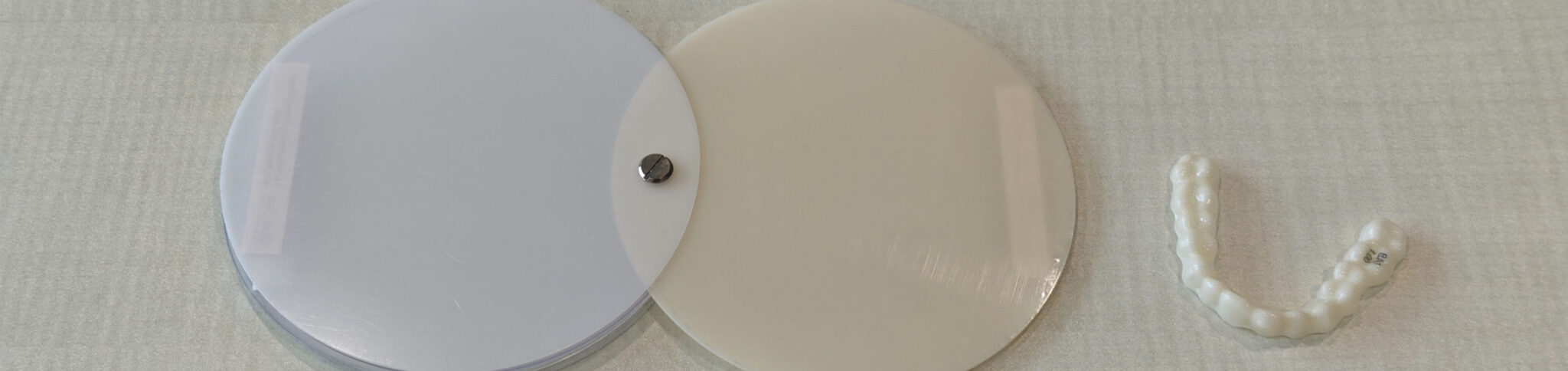
Picture this: someone pays for a sleek plan, gets a digital scan, and expects straight teeth in months. Instead they hit rough patches—tight contacts, soreness, or unexpected tooth rotation. I ask myself: where’s the disconnect between tech and the actual mouth? This piece digs into that question and follows through with practical ideas. Stick with me — I’ll break it down and point to better ways forward.
Technical Breakdown: Where Traditional Solutions Fall Short
Let’s cut to the chase. When clinicians or companies promise perfection with invisible dental braces, they often gloss over the nitty-gritty: the biomechanical limits of aligner force, the variability in aligner fit, and how patient behavior changes the outcome. I see three recurring flaws. First, the treatment plan may rely on a single digital scan without enough staging detail. Second, aligner material and thickness get treated like afterthoughts even though they determine force decay. Third, the plan ignores small but crucial steps — like attachments or interproximal reduction — that make big moves predictable.
Technically speaking, predictable tooth movement needs consistent force vectors, precise orthodontic staging, and accurate modeling of tissue response. Too few checkpoints? You lose control. Too rigid a plan? You can’t adapt to real mouth surprises. Look, it’s simpler than you think: you need a plan that models biomechanics and a workflow that updates as the mouth changes. I’ve watched cases where a quick mid-course correction saved months of trouble — funny how that works, right?
What’s breaking down?
Short answer: assumptions. We assume ideal patient compliance, perfect scans, and static biology. In practice, saliva, chewing, minor wear, and nightly habits alter the game. Those small variables stack up. I use terms like digital scan, orthodontic staging, and aligner material not to impress you, but to point out where treatment planning can get real and reliable.
What Comes Next: New Principles and How to Choose Better
Moving forward, I focus on principles that actually change outcomes. First principle: iterative treatment planning. That means regular progress checks fed by real-time scans and adjustments in staging. Second: material science matters. Different aligner thicknesses and material memory affect torque control and rotational force. Third: patient-centered design — we build plans around habits and real feedback, not a one-off simulation.
Technologies like high-res intraoral scanning, better simulation software, and data-driven staging are helping. And when brands add clear communication — simple check-ins, clear wear instructions — compliance improves. I want to flag one regional note: if you’re looking into regional providers, options like Clear braces hk show how local practices adapt these principles for tight schedules and different patient needs. There’s a real-world balance to strike between speed, cost, and clinical fidelity — wait — did you catch that?
Real-world Impact
Here’s what I recommend when you evaluate solutions: consider fit, flexibility, and follow-up. Don’t just shop price or shiny marketing. Look for providers who offer clear aligner trays with staged plans, who can tweak aligner material choices if needed, and who have a follow-up protocol that includes real scans and check-ins. Those three things separate hopeful promises from real results.
To wrap up with something practical — three metrics I use when choosing or recommending a solution: 1) Adjustability: how easy is it to revise the orthodontic staging mid-course? 2) Material control: what options exist for aligner material and thickness to manage force decay? 3) Follow-up fidelity: are progress scans and clinician reviews standard, or optional? Score high on those, and you’re likely to see a smoother path to the smile you want.
This is how I look at the field now. I care about predictable outcomes, and I want patients to feel confident through the whole process — not just at the end. For those reasons I keep returning to solutions that combine smart planning, material science, and consistent care. If you want a trustworthy place to start, check out lulusmiles.