
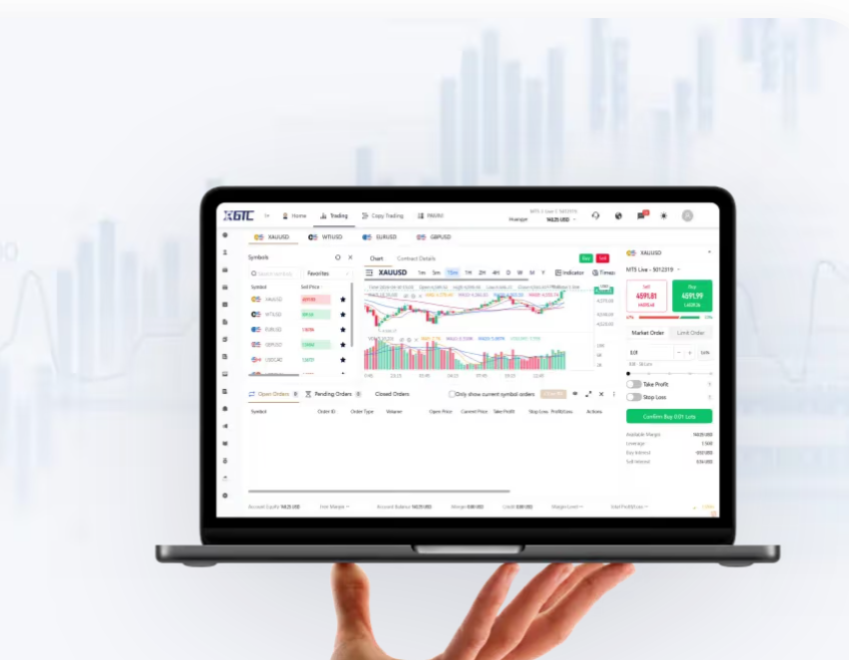
Snapshot: how gold stacks up
Gold CFDs often sit ahead of oil or base metals in traders’ toolkits because they combine steady liquidity with predictable micro-structure; that matters when you’re trading across London, New York and Sydney sessions. Markets like commodities cfd show how approachable gold can be — shallower spreads, deeper order books and lots of daily volume compared with many other commodities. Traders consider things like spread, leverage and margin when choosing an instrument, and on those scores gold usually fares well.
Comparative insight: liquidity, volatility and costs
Liquidity is the core advantage. Gold markets attract central bank flows, ETF allocations and retail activity, so execution tends to be cleaner. Volatility is lower than some energy contracts but still high enough to offer directional opportunities; that makes gold CFDs useful for both short-term strategies and hedging. Costs-wise, spread and commission are often tighter on gold than on agricultural or industrial metals products, which helps when you’re scalping or using small lot sizes.
Why traders pick gold CFDs — practical reasons
Three concrete features draw traders: reliable liquidity, transparent pricing and familiar risk metrics. Leverage works the same way here as elsewhere — it amplifies P&L and margin requirements — but gold’s liquidity means slippage is usually lower. Hedging is simpler too: you can offset equity or FX exposure with a gold position without jumping across multiple exchanges. During the March 2020 market shock, for instance, gold and related CFDs showed heavy flows as traders rebalanced risk — a real-world anchor that proved the market’s role in risk management.
Platform matters: execution, charting and data
Execution latency and charting tools are non-negotiable. If your platform can’t show order book depth or handle stop orders cleanly, you’ll eat into returns via slippage and requotes. Look for platforms offering competitive spreads, reliable margin calls and clear contract specifications so you know your lot size and rollover costs up front. Also check whether your broker publishes historical tick data if you back-test strategies — that’s where real edge appears.
Common mistakes traders make — and how to avoid them
Over-leveraging is the classic error; even a liquid market can bite when margin squeezes kick in. Another misstep is ignoring overnight funding and rollover costs on CFDs, which can flip a supposed hedge into a drag. Finally, trading based on thin news or headline chases often brings poor entries — stick to proven setups and use position sizing rules. — And keep a simple log: one line per trade noting reason, size and outcome. It sounds basic, but it sharpens discipline fast.
Alternatives to gold CFDs
If gold CFDs aren’t a fit, consider spot ETFs for longer-term exposure or futures contracts for institutional-grade hedging. ETFs remove leverage and margin complications, while futures give standardised contracts and central clearing. Each has trade-offs: ETFs trade like stocks and avoid funding, futures need larger capital and have expiry cycles. Choose the product that matches your time horizon and operational capacity.
How to choose a broker and what to test
Assess execution quality over marketing claims. Run small live trades to measure spread versus quoted prices, monitor slippage during local market opens, and confirm how margin calls are handled. Check whether the broker supports order types you depend on and whether their risk engine is transparent. Regulatory oversight and clear contract specs are non-negotiable because they affect custody and dispute resolution.
Three golden rules for evaluating gold CFD strategies
1) Prioritise execution metrics: average spread, realised slippage and fill rates under stress. These determine your true cost.
2) Manage leverage with a worst-case margin test: simulate a 3–5% adverse move and ensure your equity handles it without forced exits.
3) Factor funding and rollover into every multi-day trade: overnight costs can erode gains, especially with leveraged positions.
Final thought
Trading gold CFDs gives a blend of liquidity, cost-efficiency and hedging flexibility that few other commodity products match, and solid platform execution turns those features into repeatable gains. GTCFX.