
Why traditional choices fail frontline teams
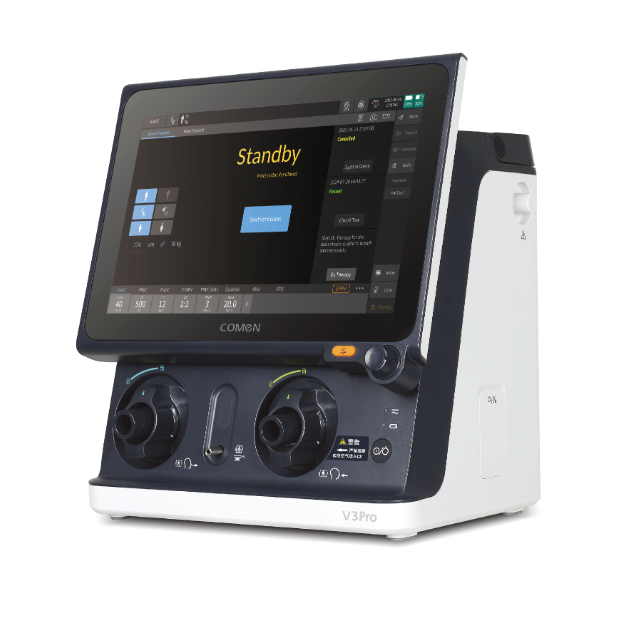
I still remember a night in March 2020 when we rushed a shipment of 120 ICU ventilators to Middlemore Hospital; that event forced me to re-evaluate the whole ventilator system supply chain (true story, mate). A ventilator machine can look straightforward on spec-sheets, but I watched tidal volume settings, FiO2 control and alarm logic betray clinical needs in real time — that design genuinely frustrated me.
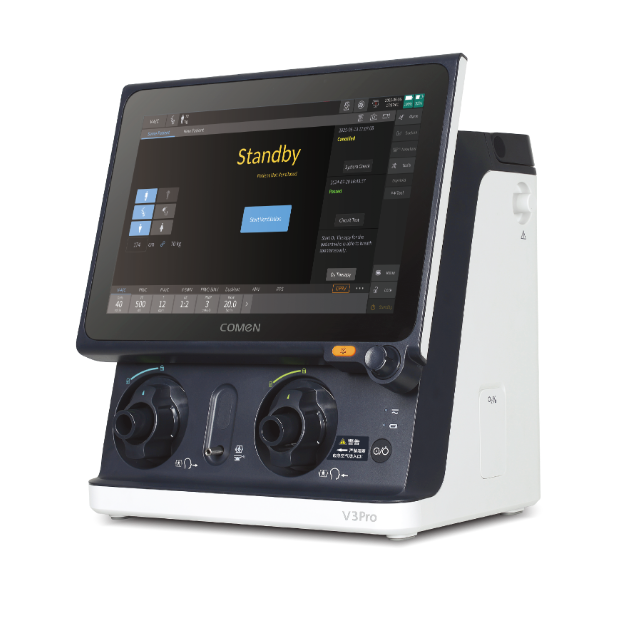
Over 15 years in medical-device distribution, I’ve handled bench testing of CMV and SIMV modes, negotiated maintenance contracts in Wellington, and handled returns when PEEP delivery didn’t match bedside expectations. I’ll be blunt: the usual procurement checklist — price, lead time, brand name — misses hidden pain points like serviceability, spare-parts logistics and alarm-management ergonomics. I’ve seen an otherwise great unit sidelined for three days because a proprietary circuit fitting failed; that’s a quantifiable cost to patient flow. Sweet as intention, but not good enough. Here’s what I think matters next.
Comparing what comes after cost-led buys
Start by defining the core: a modern ventilator system is not just a box that delivers breaths — it’s an integrated platform combining hardware, software and consumables designed to maintain safe tidal volume, PEEP and adjustable FiO2 under varying lung mechanics. I’ll break down the comparison points we used in a 2021 procurement review for a provincial health board — we tracked mean time to repair (MTTR), consumable commonality, and alarm false-positive rates. Those three metrics exposed which models actually reduced clinician load.
What’s Next
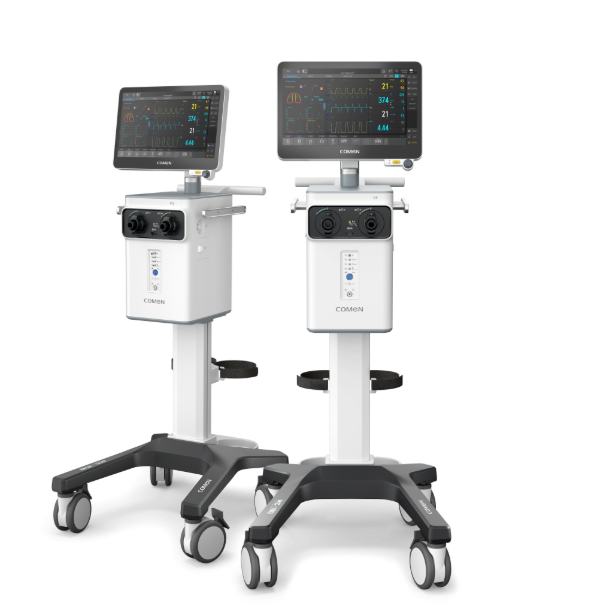
Technically, the split is between devices optimised for acute ICU care (highly customisable modes, tight compliance curves) and those aimed at general wards (simpler interface, rugged circuit). I favour units where service kits and user-replaceable parts are local — I once sourced replacement valves in 48 hours from an Auckland supplier, and that saved a week of downtime. Compare ventilator modes, look for clear, bedside-adjustable FiO2 ramps, and assess how the user interface supports quick titration. We tested three platforms side-by-side; one glossed over alarm clarity — I wasn’t impressed — and it lost out despite a lower price. Short aside: clinicians notice the small stuff, always.
To wrap up: when you’re choosing systems for hospitals or bulk supply, evaluate by measurable outcomes, not just sticker price. Here are three practical evaluation metrics I recommend — mean time to repair, consumable compatibility rate, and alarm false-positive percentage — they tell you which units keep wards running and which clog maintenance. I’ve used these on tenders across New Zealand (Auckland, Christchurch) and they work. Pick what reduces downtime, supports staff, and fits your service footprint. COMEN