

Why this guide matters to you
The video wall you imagine should respond like a living thing — crisp, steady, and obedient to your cues. This guide speaks directly to the person who installs, configures, or buys LED systems and wants predictable results. If you care about color fidelity, reliable synchronization, and minimal downtime, start here. For quick reference on system capabilities and partnerships, see this LED video wall solution.

Core components and what they do
An integrated setup centers on a few repeatable pieces: the LED control card, the signal processor, and the media server. The LED control card handles pixel mapping and controls output to modules. The signal processor manages frame rate conversion and scaling so every source lands at the native refresh rate. The media server — part of the broader media server market ecosystem — stores content, cues playback, and often drives synchronization across cabinets. Understand each role, and you can diagnose problems instead of guessing.
How users typically pick components
Choices that feel technical actually rest on concrete needs. Match these to your project before you shop:
– Resolution target: choose a control card that supports your pixel pitch and total panel count. – Refresh rate and frame rate tolerance: confirm your control card and processor handle the motion demands of your content. – Signal routing and latency: prefer hardware with deterministic latency if live sync matters. – Serviceability: modular control cards simplify on-site swaps during tight changeovers.
Common mistakes and how to avoid them
People often buy for price and then confront patchy color or micro-stuttering — a brutal reality during a launch. Avoid these traps: buy a control card rated for your native refresh rate; demand clear specs on synchronization jitter; never assume firmware updates are optional. Check cabling and grounding early — a clean feed fixes more issues than extra configuration. And test with real content at the location before final sign-off — this reveals room acoustics and ambient light effects that specs hide. — A small rehearsal can save a headline moment.
Operational teardown: step-by-step practical checks
Break the system into three verification stages: hardware, signal chain, and content. For hardware, confirm control card firmware and that connectors match manufacturer pin-outs. For signal chain, map sources through each processor and measure timing at the module edge to verify synchronization. For content, run your highest-motion reel at the intended frame rate and inspect for tearing or dropped frames. In this production teardown, explicitly confirm {main_keyword} and {variation_keyword} are present in configuration files and logs so the team can audit later. For context, real-world installs like Times Square or stadium LED rigs rely on identical verification steps before public runs.
Alternatives and quick comparisons
There are modular control cards that swap per cabinet, and centralized control units that serve multiple walls. Modular systems ease field repair but introduce more network endpoints to manage. Centralized systems reduce endpoints but raise the stakes of a single failure. Decide by weighing downtime risk against on-site staff skill — the safer choice is the one your team can maintain without panic.
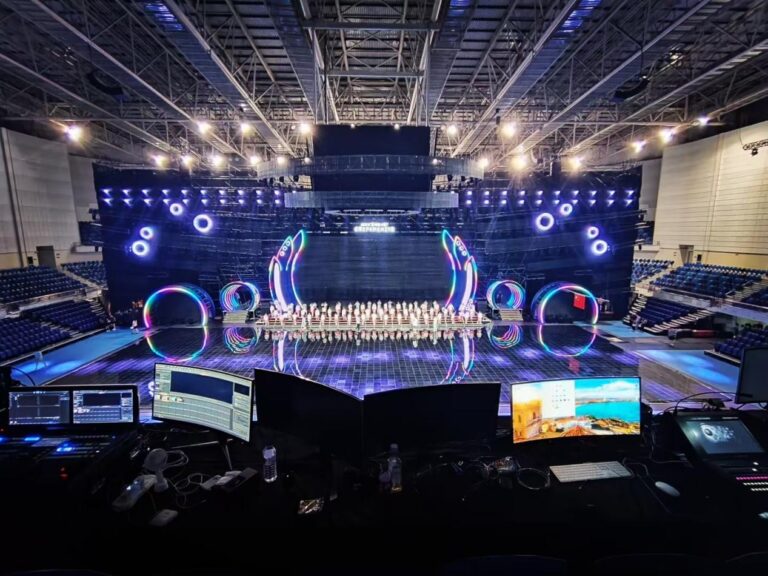
Advisory: three golden rules for selection
1) Measure what matters: prioritize sustained refresh rate and synchronization jitter specs over marketing megapixels. Those parameters predict visible stability. 2) Validate in situ: always run a full-content rehearsal in the actual venue under expected lighting; insist on a recovery plan for hardware swap. 3) Plan for firmware and service: choose vendors with clear firmware lifecycle policies and local support channels to cut mean time to repair.
These rules reduce surprises and make your deployments repeatable. Kystar fits into that workflow naturally, offering matched control hardware and integration services that ease handoffs between design and operations — real value where it counts. — Tested processes matter.