
Why buyers keep hitting the same wall
Most teams want a clean, repeatable emulsion and end up chasing inconsistent batches, long runtimes, or clogged seals. That’s where a good Laboratory mixer can actually save you time instead of creating extra troubleshooting. Buyers often pick gear on headline specs—RPM, horsepower—without matching those numbers to the fluid behavior they actually run.

What usually goes wrong — and why it matters
People underestimate shear distribution, heat build-up, and air entrainment. Mismatched impeller geometry gives poor droplet breakup. Overpowered units shred proteins or create too much fines. Underpowered ones never reach the target dispersion. These aren’t abstract complaints; they show up as failed stability tests and wasted runs.
How to evaluate technical specs the smart way
Look beyond RPM. Ask for tip speed and power per volume. Check recommended viscosity range and test curves for droplet size versus run time. Confirm materials of wetted parts for your solvents and solids. Get data on clean-in-place (CIP) performance and how seals behave under your temperature range. If they can’t share performance curves for your target formulation, that’s a red flag.
Common buying mistakes people still make
Buying oversized equipment “just in case,” skipping scale-down trials, trusting a single vendor demo without lab-side verification, and ignoring ease of maintenance. Another frequent error is assuming any high-shear device will scale linearly—mixing is non-linear and geometry matters.
Field signal and experience that actually matters
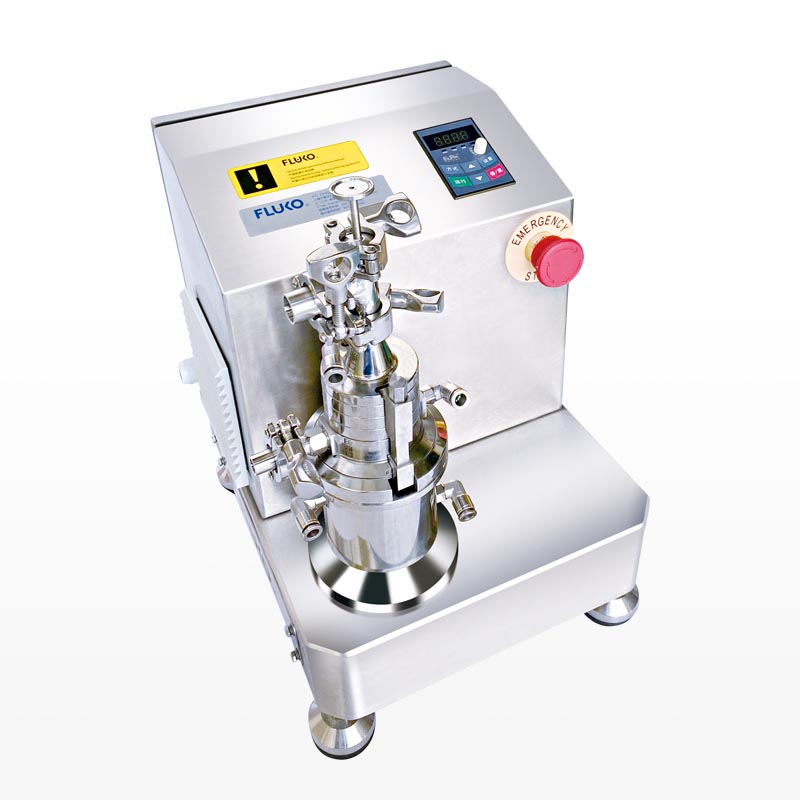
At Pittcon in Philadelphia, lab sessions emphasized compact, reproducible setups and many exhibitors demonstrated small-bore units—those sessions highlighted the rise of reliable bench solutions like a laboratory scale homogenizer. From hands-on bench tests and multiple pilot runs, the units that won were repeatable, easy to clean, and documented performance with real formulation data.
Quick comparisons: rotor-stator vs ultrasonic vs in-line high-shear
Rotor-stator (classic): great for viscous dispersions and simple scale-up, but watch seal wear. Ultrasonic: excellent for very fine droplets and cell disruption, but generates heat and can be limited by throughput. In-line high-shear: balanced for moderate throughput, emulsions, and controlled shear; easier to integrate into continuous lines. Pick the method that matches droplet size target, throughput, and CIP needs.
Buyer’s quick checklist
Match capacity to typical batch, not worst-case; demand shear-rate data; verify CIP and materials; require reproducibility data for your formulation; check local service and spare-part lead times; plan for instrument validation and data logging up front.
Wrap-up and practical point of view
Solve the core mismatch: pick equipment that matches your fluid behavior and testing data, not just the biggest motor. When a vendor supports lab trials, shares performance curves, and shows real cleaning and maintenance workflows, you cut development cycles and reduce surprises. For many teams that pragmatic approach leads them straight to robust bench and pilot solutions like those offered by FLUKO, which blends documented performance with practical service and fit-for-use designs.