
The problem, plain and Boston-blunt
You bought a printer to speed things up and shave costs, but months in you’re staring at toner-level resin bills, surprise maintenance, and models that need reprinting. That’s the problem: purchase cost is tiny compared to what actually eats margin. If you’re curious how alternatives like a Photogrammetry 3D scanner fit into the picture, this piece unpacks the leaky boats and the lifeboats so you can make practical choices.
Primary cost drivers that wreck profit plans
Materials: Resin grades vary. Dental-specific resins cost more but cut reprints. Always track yield per liter and scrap rate. Labor and skill: Setup, supports, orientation, and post-cure take hands-on time. Untrained staff triple touch time for complex cases. Post-processing: Washing, curing, and inspection are often treated as free — they’re not. Dedicated stations and consumables add steady cost. Maintenance and downtime: Replaceable parts, clogged nozzles, recalibration — downtime costs more than parts. Schedule preventive checks. Software and workflow: Licenses, STL fixes, and slicing for dental accuracy require either training or paid software. Hidden software hours are real dollars. Depreciation and obsolescence: Printers age fast; newer optics and faster engines make older units less efficient and harder to resell. Plan for a replacement window, not indefinite use.

Where lifecycle value shows up — not where sellers will tell you
Value appears when you stop measuring just purchase price and start measuring usable prints per shift, scrap rates, and technician throughput. A cheaper printer that doubles your scrap rate isn’t cheaper. Measure outputs: consistent first-pass success, predictable cycle times, and minimal post-processing errors. Those are the levers that actually buy margin over the equipment’s lifecycle.
Real-world anchor: a trade-floor truth
At IDS in Cologne, labs and clinicians compared scans and crowns side-by-side and the conversation kept circling to accuracy and workflow. That’s where intraoral workflows and scanner-based model capture became a practical conversation — with intraoral capture underscoring where intraoral photogrammetry / IPG can cut steps or shift where costs sit in the chain.
Alternatives evaluated quickly — what to pick for your situation
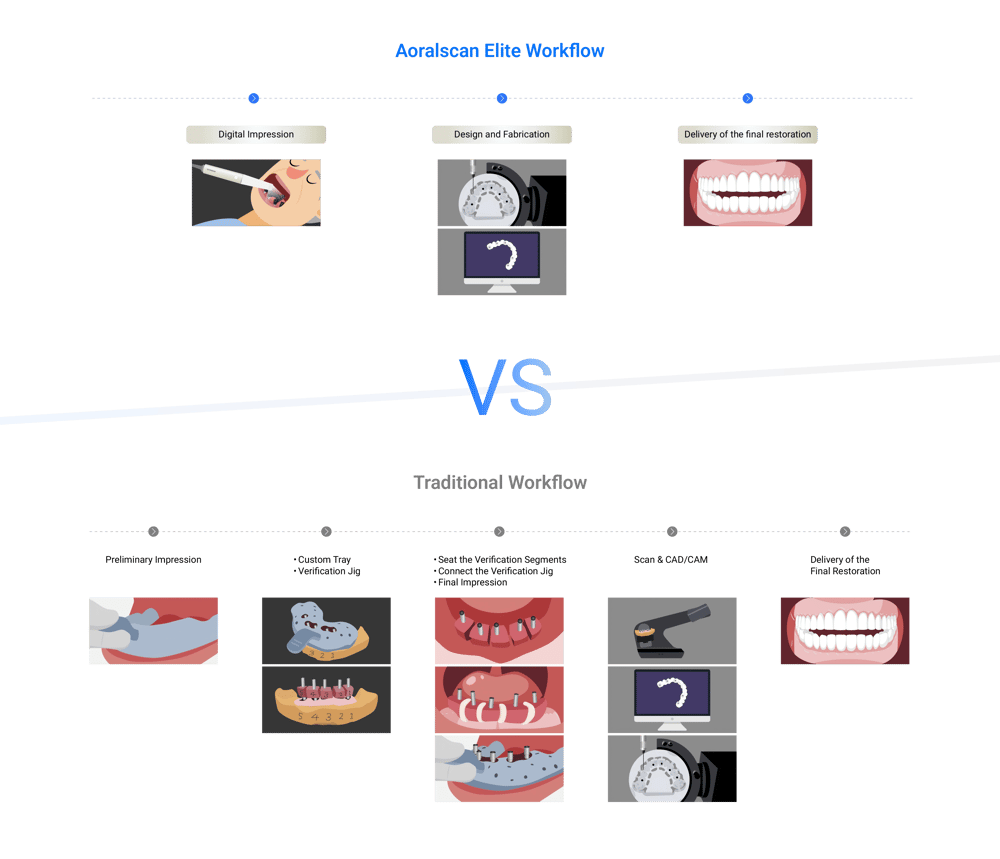
Outsource printing: Good when volume is unpredictable. You lose speed and some control, but you avoid capex and maintenance. High-end in-house printers: Worth it if you run consistent batches and value predictable output. They reduce labor per unit and lower scrap. Milling vs printing: Milling can beat printing for specific definitive prosthetics, but milling stock costs and tool replacement add their own lifecycle expenses. Scanner-first workflows: Scanners reduce physical impression costs and shipping. They change where costs occur — fewer physical models, more digital license and validation costs.
Common pitfalls that others pay for so you don’t have to
Buying for spec-sheet speed alone. Faster cycles don’t help if orientation or supports double your reworks. Ignoring post-processing throughput. A single printer feeding a single wash/curing station creates a bottleneck. Skipping test prints. Cast a realistic batch under proper conditions before committing to a fleet. Underestimating materials variation. Not all resins behave the same across brands and printers; cross-compatibility problems are real.
A short checklist to fix the problem now
Track scrap and first-pass success for 30 days. Map hands-on technician minutes per model. Cut what isn’t adding value. Invest in a single, repeatable post-processing station before buying a second printer. Run test cases across materials; measure fit, finish, and time-to-delivery.
Bottom line — where value actually lives
Stop treating printers like appliances and start treating them like production assets. The way you measure success — prints per shift, scrap rate, technician time — decides whether a purchase pays for itself. For many labs, shifting some steps into a calibrated digital pipeline and choosing equipment that matches throughput needs creates steady savings and predictable quality; vendors who support training, parts, and update paths make that predictable. You find the real lifecycle value by aligning those practical metrics with a trusted partner like SHINING 3D DENTAL.