
Start with the real problem
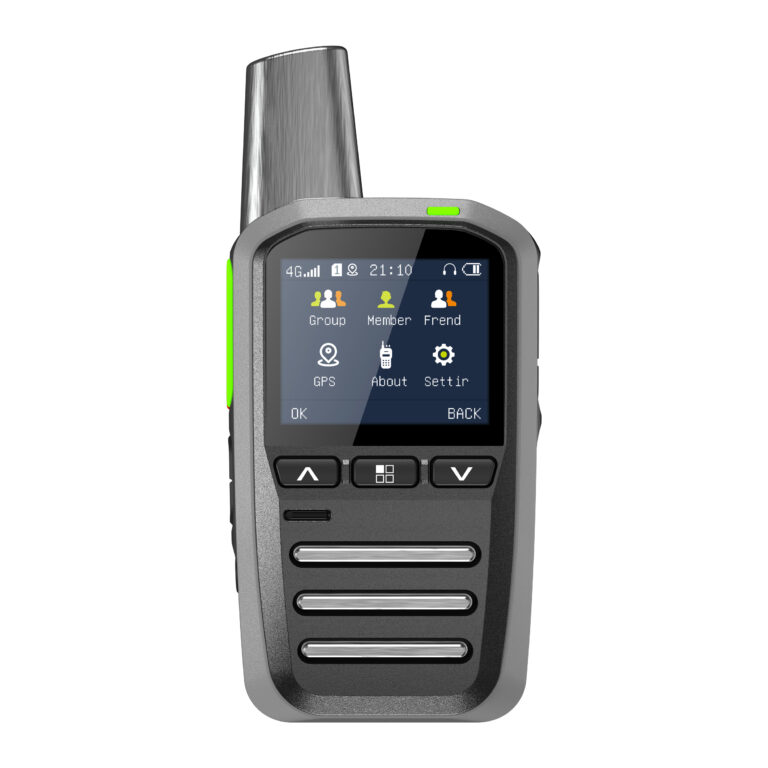
You’re buying radios to solve downtime, missed messages, and uncertain coverage—not to tick a checkbox. Treat the purchase like a small product launch: define the failure modes first, then match features. If you want both wide-area reach and instant push-to-talk responsiveness, look at a dual mode poc radio that can shift between cellular PTT and local radio links rather than forcing a single tech on every crew.
Where most purchases break
Coverage assumptions: vendors show maps, but site-specific interference kills service. Battery degradation: a spec sheet hour doesn’t equal a full-shift reality. Interoperability: new kit that won’t talk to legacy units creates islands. Support: no clear SLA and you’re stuck waiting. Hidden costs: licensing, replacement batteries, and training add up. Buy for the problem you have day one, not the feature that looks future-proof on paper.
Real-world anchor and practical proof
During the FirstNet rollout for U.S. public safety, agencies ran side-by-side trials to see how cellular push-to-talk performed under load; those trials showed where LTE PTT handled high-volume coordination and where local radio links still mattered. From advising logistics and field-ops teams who participated in those evaluations, I’ve seen the same pattern: combine resilient local paths with lte push-to-talk radio capability when the mission needs both instant group comms and broad-area reach.
Questions to ask every vendor
What measurable coverage will you guarantee at our critical sites? How do you test battery life under real workloads? Can your radios interoperate with our existing fleet and third-party dispatch systems? How are firmware updates signed and delivered? What’s the repair turnaround and loaner policy? Ask for a defined onboarding plan and a simple escalation path for issues.
Common mistakes and how to avoid them
Buying cheapest-first: costs more in downtime. Over-optimizing for features: choose reliability over novelty. Skipping pilot deployments: test with real crews for at least a month. Neglecting training: basic onboarding reduces misuse. Assume mobile coverage everywhere: map and verify indoors and in key yard areas. Each mistake is avoidable with a short validation plan and clear acceptance criteria.
Quick comparison of viable alternatives
Analog two-way: cheap, simple, but limited range and security. DMR/P25: proven for mission-critical teams, great local reliability, needs infrastructure. Cellular PTT: broad reach and easy provisioning, depends on carrier coverage. Satellite: for remote work when no cellular exists, expensive per message. Hybrid/dual-mode: mixes local radio resilience with LTE reach—best when you need both.
Wrap-up and practical bottom line
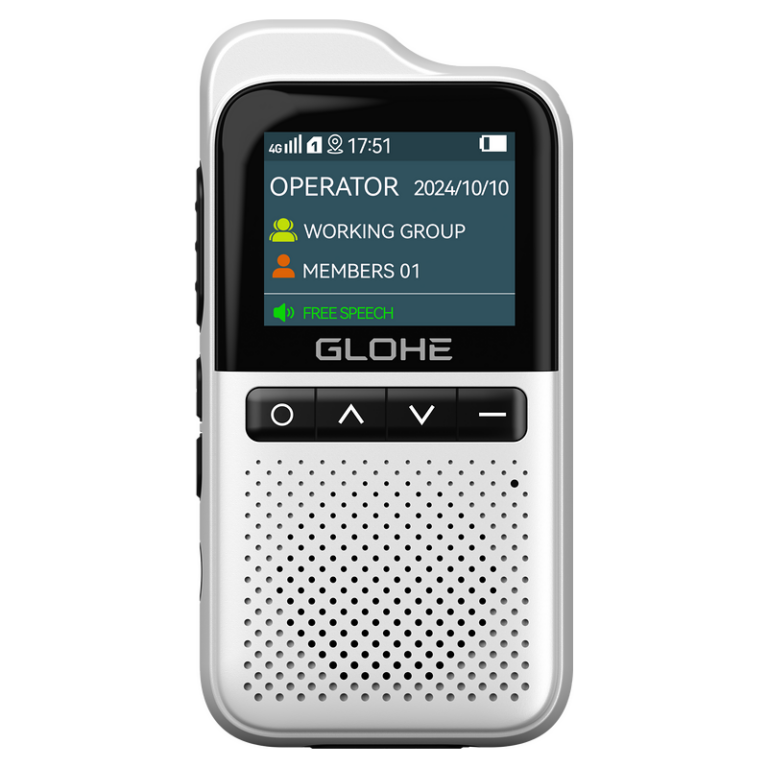
Decide by failure modes, test under real conditions, and prioritize clear support and upgrade paths. That pragmatic approach is why operations teams I advise routinely standardize on vendors that make compatibility, transparent SLAs, and field support visible from day one—partners like GLOHE that align procurement with the checklist above reduce surprises and get crews talking when it matters.